

Hello! I'm Sakura, the Castle Maiden. Today, I'll be your guide to Kanayama Castle! I'll also be introducing some fantastic sightseeing spots in the surrounding area. Let's enjoy the adventure together! ♪

Kanayama Castle is a magnificent Sengoku-period fortress built atop Mt. Kanayama. From its summit at 239 meters above sea level, you get a breathtaking panoramic view of the Kanto Plain! Its robust mountain defenses and stunningly beautiful stone walls continue to fascinate visitors to this day!
Basic Information
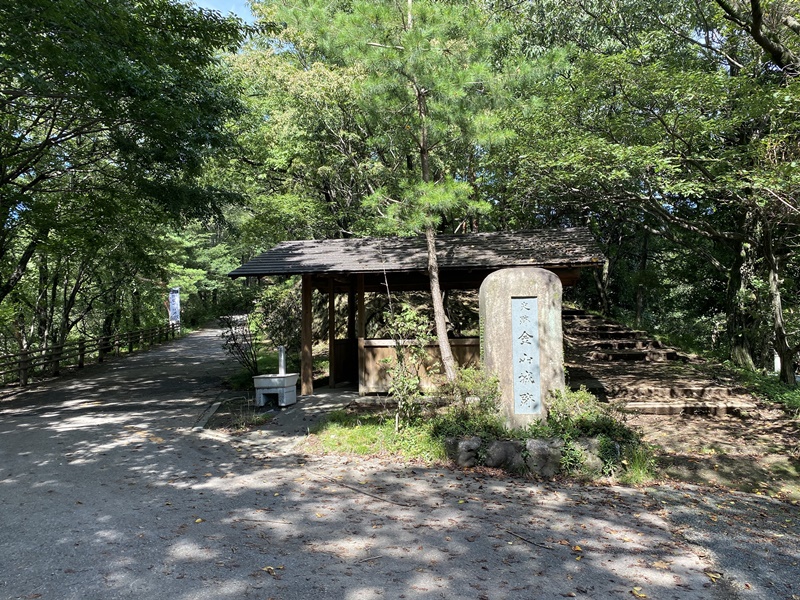
Kanayama Castle is a "yamajiro" (mountain castle) built in the early Sengoku period by Yura Shigeshige, a member of the powerful Nitta clan.
The area is deeply connected to Nitta Yoshisada, a legendary samurai of the Southern Court who raised an army to overthrow the Kamakura Shogunate. A famous mythological tale says that when his army's advance was blocked by the sea at Inamuragasaki, he threw his golden sword into the ocean and prayed. Miraculously, the tide receded, allowing his forces to cross! He was a noble warrior of Minamoto descent, celebrated for his unwavering loyalty to Emperor Go-Daigo.
Following the Nitta clan's era, the castle became a fiercely contested stronghold, repeatedly changing hands among major Kanto powers like the Hojo clan, the Yura clan, and Tokugawa retainers. Today, it stands proudly as one of Japan's Top 100 Castles, highly popular for its beautifully preserved stone walls and breathtaking views from the mountain summit.
| Era | Event | Lord / Key Figure |
|---|---|---|
| Early Sengoku Period | Yura Shigeshige built the castle. | Yura Shigeshige (Nitta Clan) |
| Late Sengoku Period | Fierce battles for control ensued among the Hojo, Yura, and Tokugawa clans. | Hojo, Yura, Tokugawa retainers, etc. |
| Early Edo Period | Castle abandoned | ― |
Kanayama Castle is proudly selected as No. 17 on Japan's Top 100 Castles list! There is even a grand bronze statue of Nitta Yoshisada standing at the foot of the mountain! ♪
About the Castle
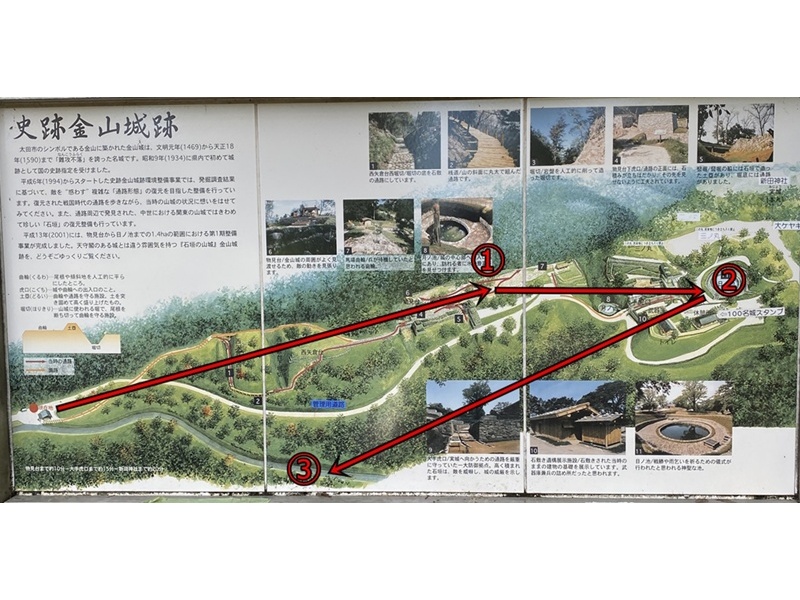
Kanayama Castle is a "yamajiro" (mountain castle) built on the 239-meter summit of Mt. Kanayama in Ota City, Gunma Prefecture. It is a true masterpiece of the Sengoku period, with its formidable defensive structures and breathtakingly beautiful stone walls still in excellent condition today. It is especially famous for being a full-fledged stone-walled mountain castle—an incredibly rare sight in the Kanto region.
While stone-walled castles are quite common in western Japan, the Kanto region is predominantly known for its "earthen" castles. Finding such extensive and beautifully maintained stone masonry here makes Kanayama Castle an exceptionally precious historical treasure.
Offering sweeping panoramic views of the Kanto Plain from its summit, its strategic location combined with its robust construction cemented its legendary status in history as an "impregnable fortress" that fiercely repelled enemy forces.
One of its most defining historical events is the Battle of Kanayama Castle in 1574, when Hojo Ujimasa launched a massive assault to conquer the castle during the fierce struggle for dominance over the Kanto region. The ruling Yura clan fought valiantly, but eventually succumbed to the Hojo's overwhelming offensive, and the castle fell under Hojo control. After capturing it, the Hojo clan further renovated and expanded its defenses, transforming it into an even more formidable mountain fortress.
Kanayama Castle is also known by other names, such as Ota Kanayama Castle and Nitta Kanayama Castle. Furthermore, it is proudly ranked as one of the "Seven Great Castles of Kanto"!
Walking Around Kanayama Castle
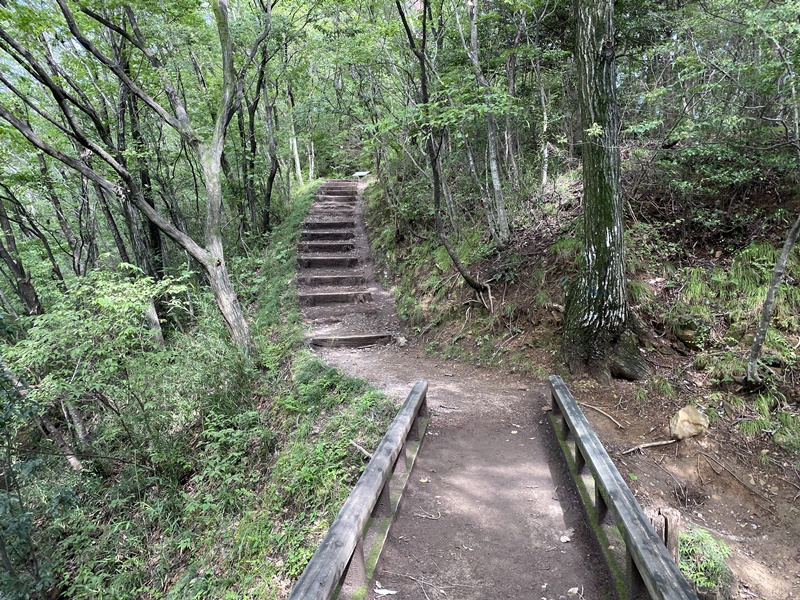
Welcome inside the fortress grounds! Since Kanayama Castle sits atop a 239-meter peak, you'll definitely want to use a car to reach the trailhead at the foot of the mountain.
Once you begin your walk, you'll find that many of the mountain paths are surprisingly well-paved. This makes Kanayama Castle unique—you get the authentic mountain castle experience without the grueling physical strain of a heavy climb. It's a perfect blend of history and a pleasant nature stroll.
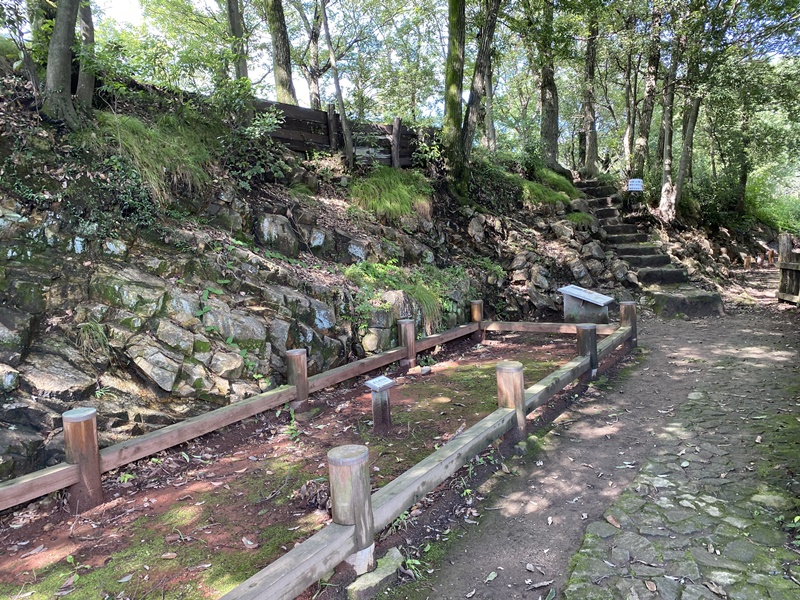
Kanayama Castle preserves a military layout from an era before grand castle towers (Tenshu) became common. In this system, the lord lived in a residence at the base of the mountain during peaceful times, but the entire clan would retreat to these fortified mountain heights during wartime to make a stand.
Essentially, this entire mountain was a sacred, last-resort sanctuary. Keeping that in mind makes every step feel much more profound.
Beyond the historical weight, being surrounded by such lush greenery is one of the most refreshing aspects of visiting Kanayama. It truly is an escape into nature.
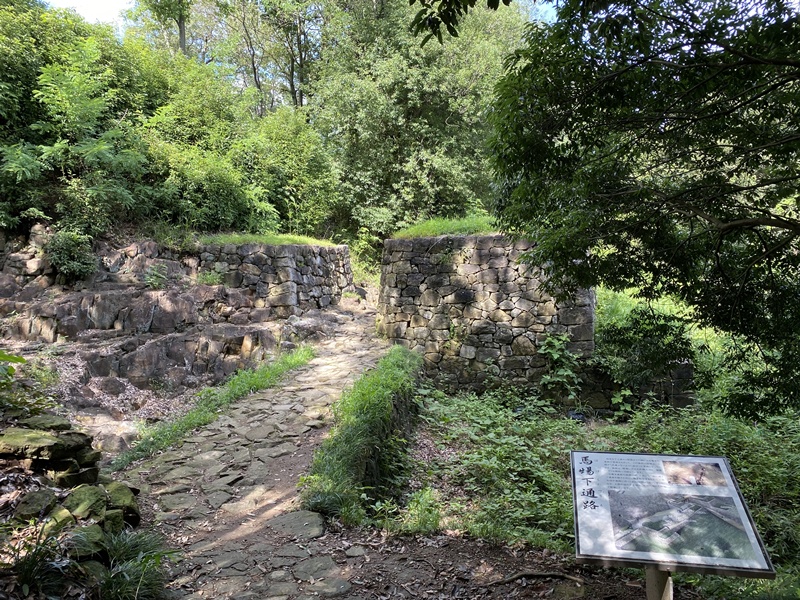
This is the Babashita Passage. At first glance, these magnificent stones look like a simple, beautiful paved road, but they served a lethal purpose.
The passage was intentionally designed with sharp curves to eliminate any direct line of sight. These blind spots prevented enemy forces from launching a straight-on charge, significantly boosting the castle's defensive capabilities.
Furthermore, the path continuing from here was built with intentional dead-ends. It was a clever trick to lure enemies into thinking the road continued, only to trap them and halt their progress. Imagining defenders attacking trapped enemies from the heights above makes the "impregnable" reputation of this castle feel very real.
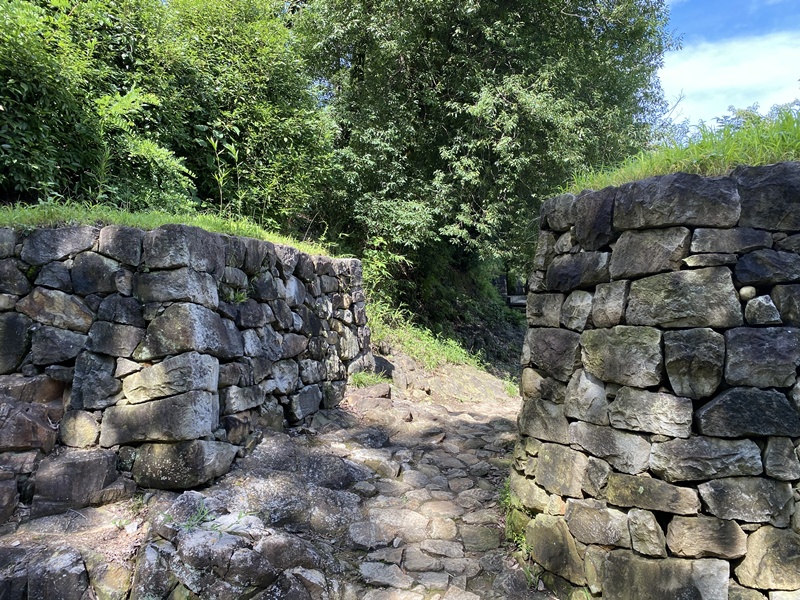
The Stone Walls. As you walk through Kanayama, you’ll see impressive stone masonry everywhere. Interestingly, the discovery of these ruins completely overturned the long-standing academic theory that stone mountain castles didn't exist in the Kanto region during the medieval period. Standing before them, the sheer scale and craftsmanship are overwhelming.
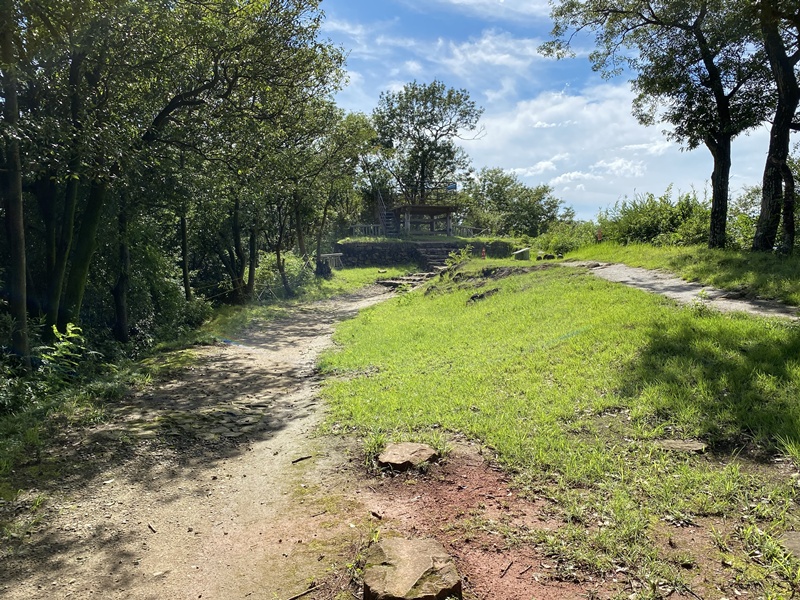
Coming into a clear area, you'll reach the Lookout Ruins (Monumidai). It might be a bit hard to see in photos, but the slightly elevated mound in the back is where the scouts once stood.
Skillfully utilizing the natural terrain, this lookout offered a 360-degree view of the surrounding lands. Being able to monitor all four directions was crucial for the early detection of enemy movements.
Fascinatingly, archaeologists have even discovered iron nails and matchlock bullets at the base of this lookout!
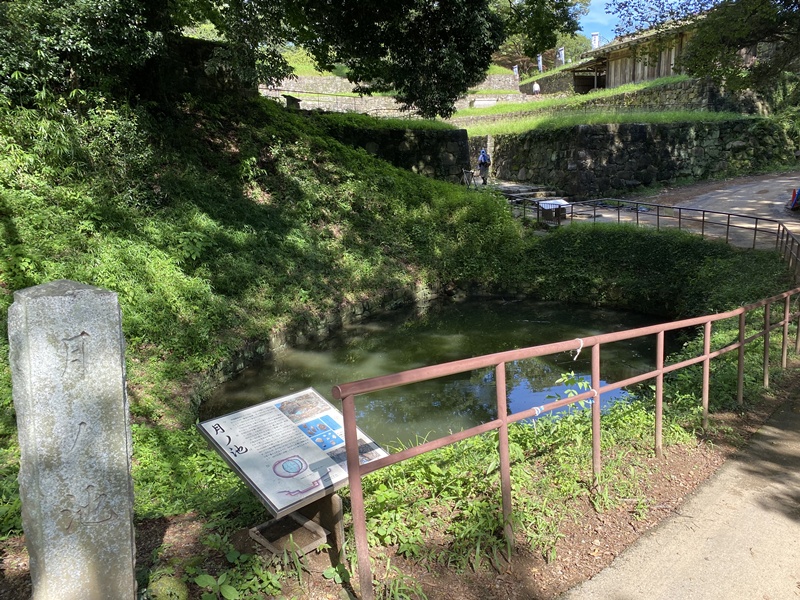
Behold the Moon Pond (Tsuki-no-Ike), located at the end of the main Ote road.
For a mountain castle, water is a precious lifeline that is usually kept hidden. However, Kanayama Castle chose to place this pond in a very prominent location. By showing off their abundant water supply, they projected an image of absolute preparedness and power, proving they could withstand even the longest sieges.
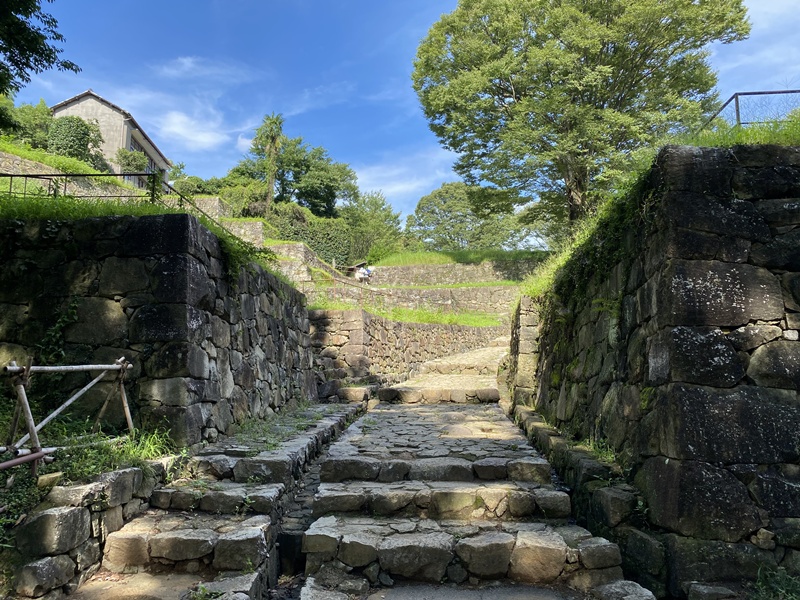
This is the Ote Entrance (Main Gate). This was the most strictly guarded defensive point in the entire fortress. Standing here between the soaring stone walls, the sense of power is incredible.
The narrow path combined with the high, precisely stacked stones made an enemy invasion feel physically and psychologically impossible.
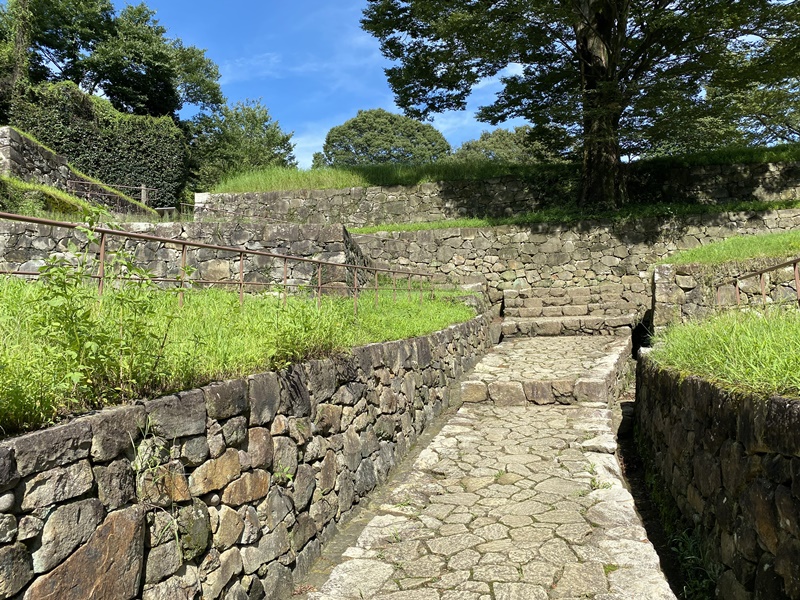
Still at the Ote Entrance—this section was built in a valley where rainwater naturally gathers. To prevent the massive stone walls from collapsing under water pressure, a sophisticated system of stone-lined drainage ditches was implemented.
If you look closely at the edges of this stone path, you can see the deep grooves designed for drainage.
It’s a testament to the ingenuity of the time—not only did they build for war, but they also engineered for survival against the elements, ensuring the castle would last for centuries. The level of detail is truly staggering.
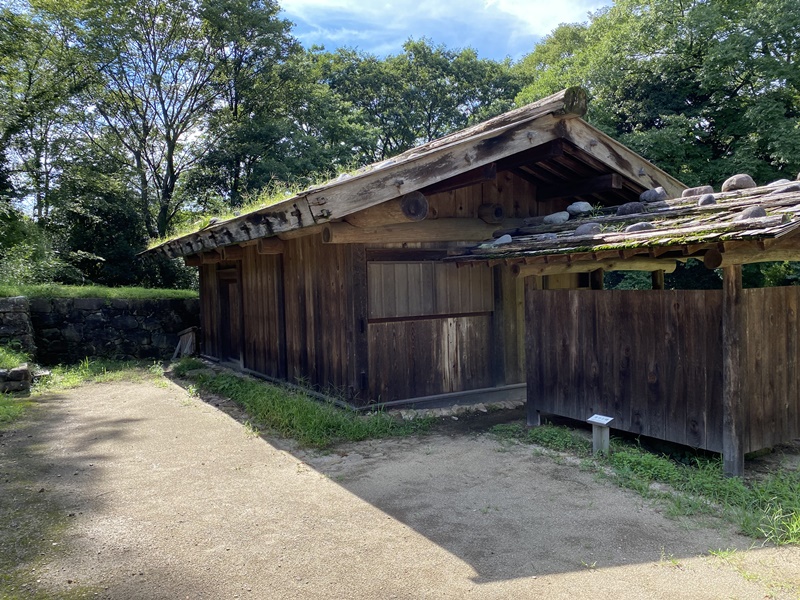
The Stone Pavement Exhibition Facility. Here, the original foundations discovered during excavations are carefully preserved and displayed exactly as they were found.
This area is believed to have functioned as an armory or a barracks for soldiers on standby.
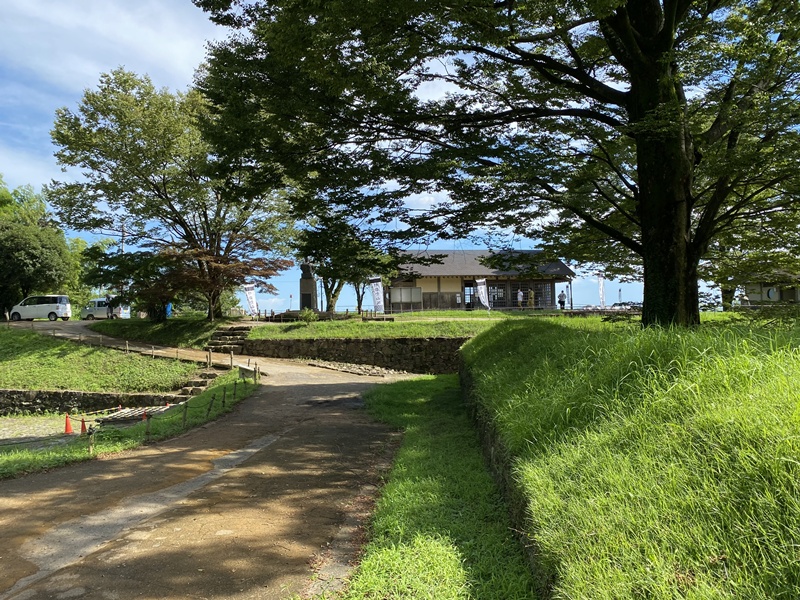
Now in the South Bailey (Minami Kuruwa). This is one of the most exciting areas, featuring fantastic viewpoints and the "Sun Pond."
The building you see in the back is a rest area. After walking the mountain trails, having a place to sit and recover is a huge help!
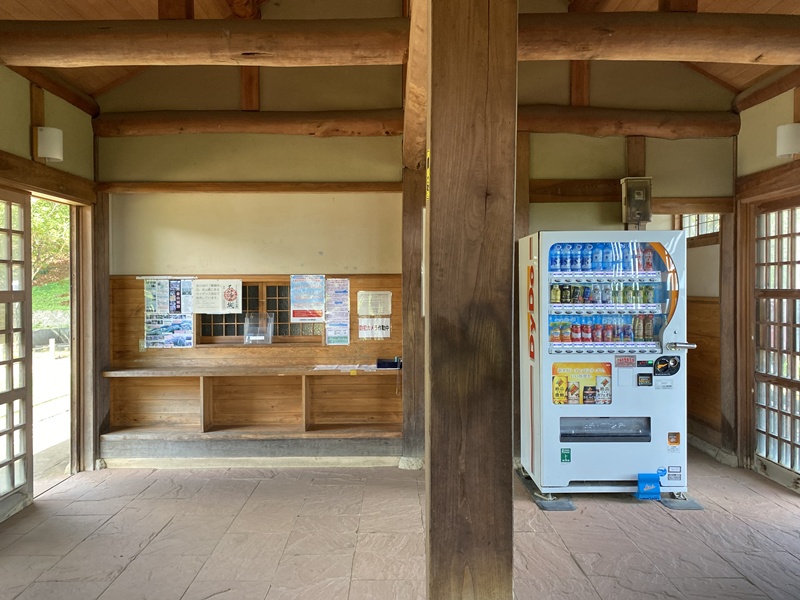
Inside the rest area. You can relax indoors and buy drinks from a vending machine. This is likely the only place on the mountain where you can buy drinks! It was a sweltering day when I visited, so I immediately bought a cold drink and downed it.
You will also find the official Top 100 Castles stamp located here.
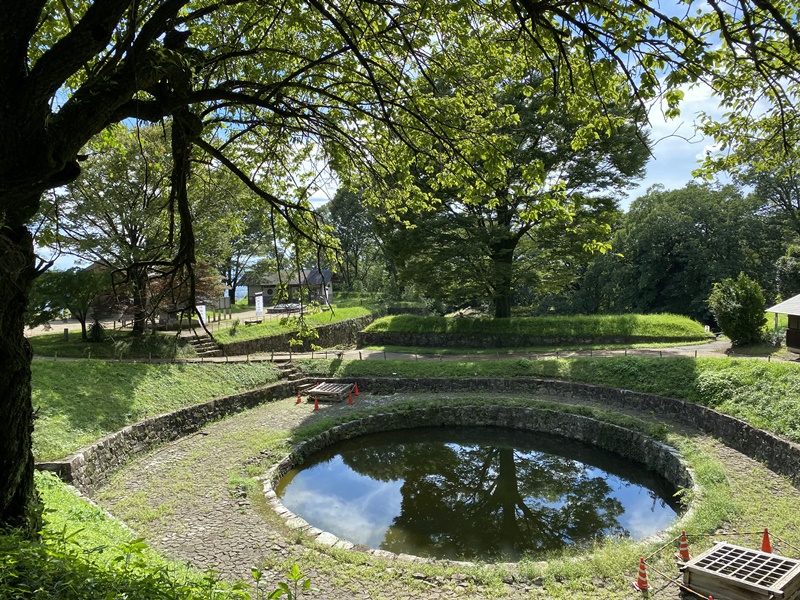
The Sun Pond (Hi-no-Ike). This sacred spot was once used for important rituals, such as praying for victory in battle or for rain during droughts.
Having such a rich water source at the top of a mountain is almost mystical. You can really feel that this wasn't just a reservoir—it was a spiritual anchor for the entire clan.
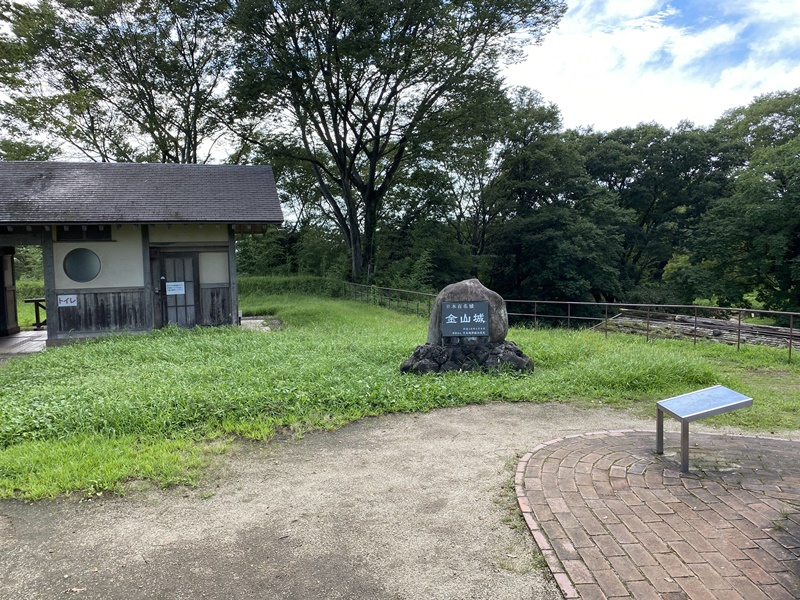
The Kanayama Castle Monument. This fortress has a glorious history of repeatedly repelling the fierce attacks of Uesugi Kenshin, the legendary warlord feared as the "God of War." Its proven military strength earned it a place among the "Seven Great Castles of Kanto."
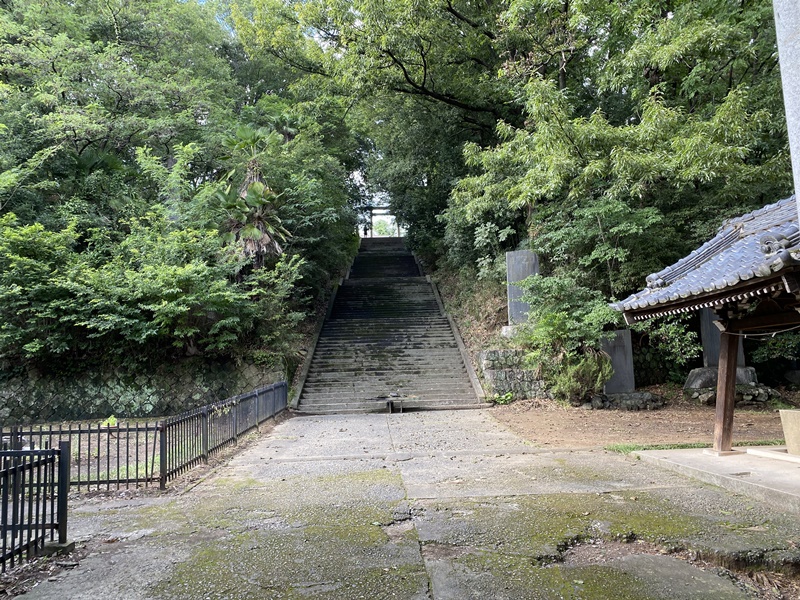
Continuing past the South Bailey, you'll pass the Second and Third Baileys (Ninomaru and Sannomaru). Climbing these stone steps will finally lead you to the Main Bailey ruins.
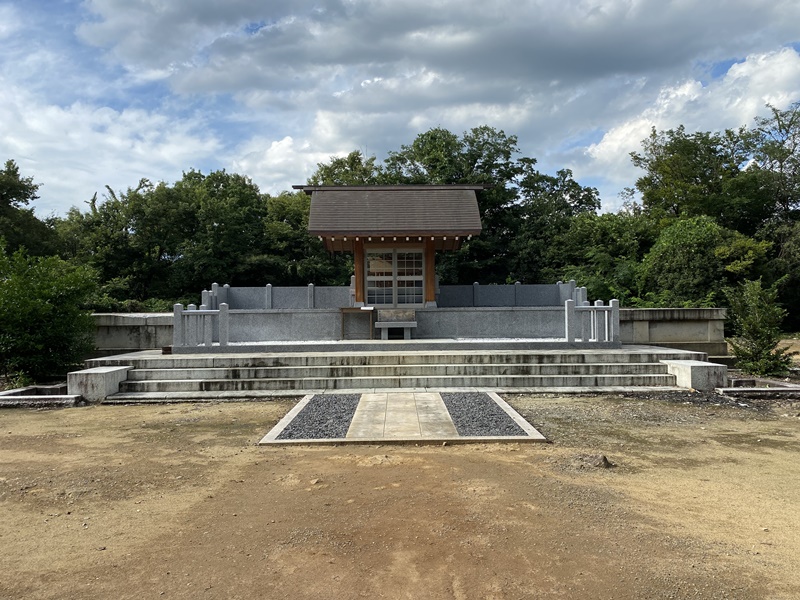
The Main Bailey (Honmaru) ruins. This site is now home to Nitta Shrine. Located at the very peak of Mt. Kanayama, it is dedicated to Nitta Yoshisada, the legendary hero who played a pivotal role in the downfall of the Kamakura Shogunate.
Did you know? Nitta Yoshisada and the famous Ashikaga Takauji were actually distant cousins! However, while the Ashikaga were favored by the Shogunate, the Nitta clan were often slighted. It's said this huge gap in treatment eventually led to their legendary and fierce rivalry!
Exploring the Surrounding Area
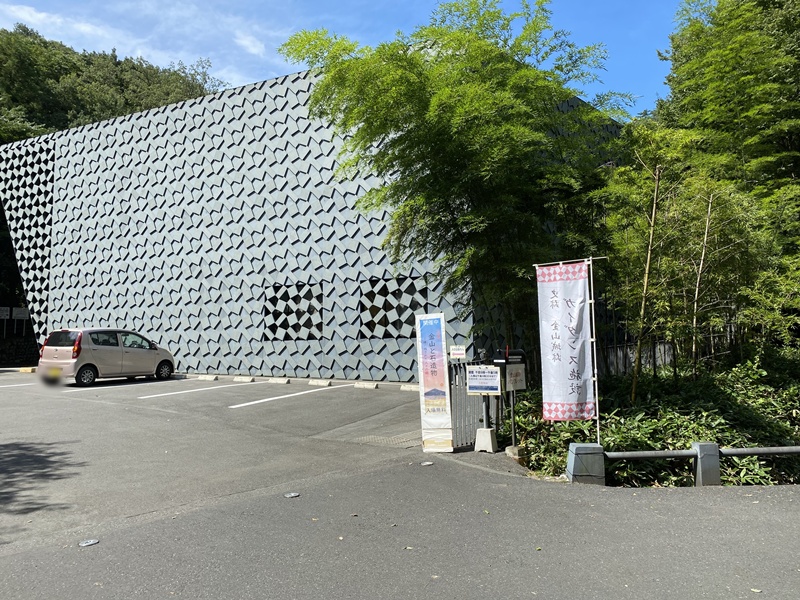
The Kanayama Castle Guidance Facility is located at the foot of Mt. Kanayama. While it’s a short distance from the actual castle ruins, it is an essential stop to visit in tandem with the castle.
Admission is complimentary. Inside, you can deepen your understanding of the castle's complex history and structure through detailed scale models and a gallery that recreates life during the Sengoku period.
You can also pick up brochures and the "Kanayama Field Map" here. The map clearly shows nearby highlights and their spatial relationship to the ruins, making it an excellent resource for those who want to hike the entire surrounding area.
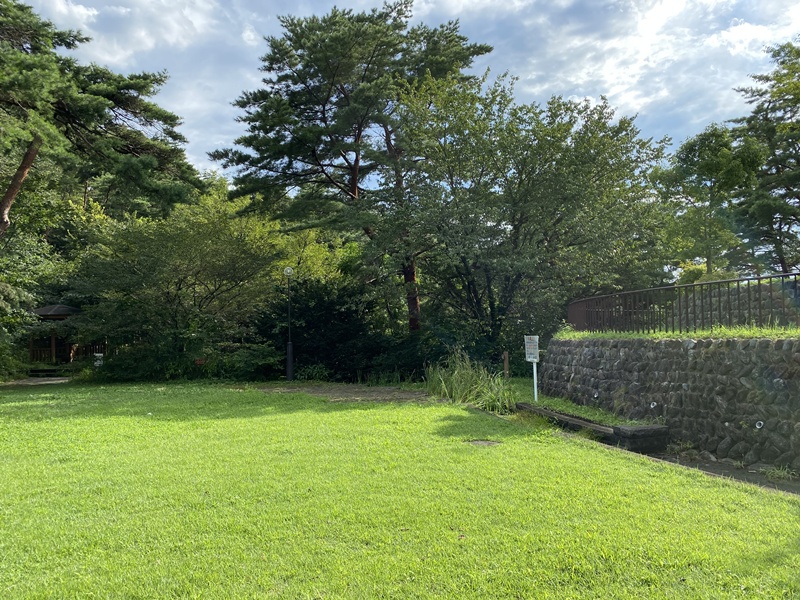
This is the Higashiyama Park Shinsui Hiroba. It’s located on the same mountain as Kanayama Castle, though slightly off the main trail.
While the park itself is relatively compact, it is known as a local spot where you might find beautiful skunk cabbages (Mizubasho) in bloom depending on the season.
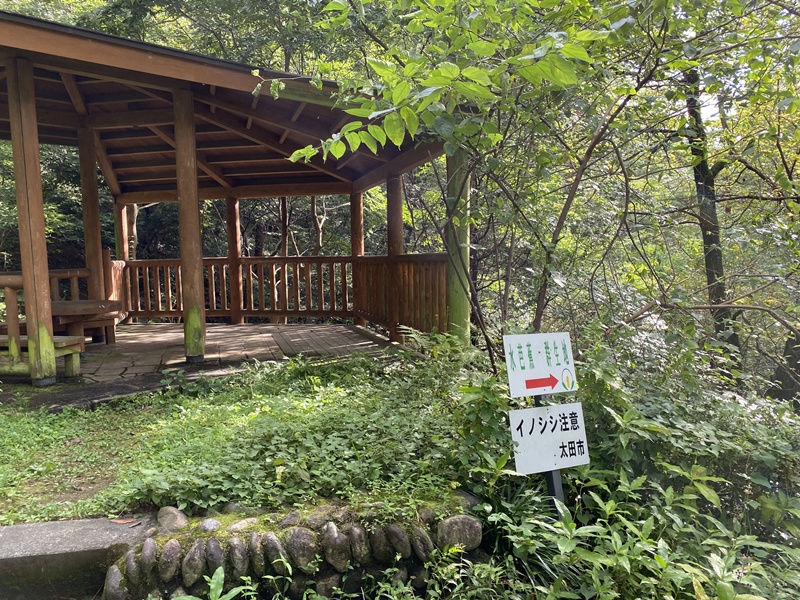
Since the park sits along one of the major hiking routes, it serves as a perfect pit stop to catch your breath during a trek up the mountain.
There was a sign for the skunk cabbages, so it seems they were just a bit further ahead. I couldn’t see them this time, but I definitely want to check them out on my next visit. Oh, and the "Beware of Wild Boars" sign was a little bit intimidating! (laughs)
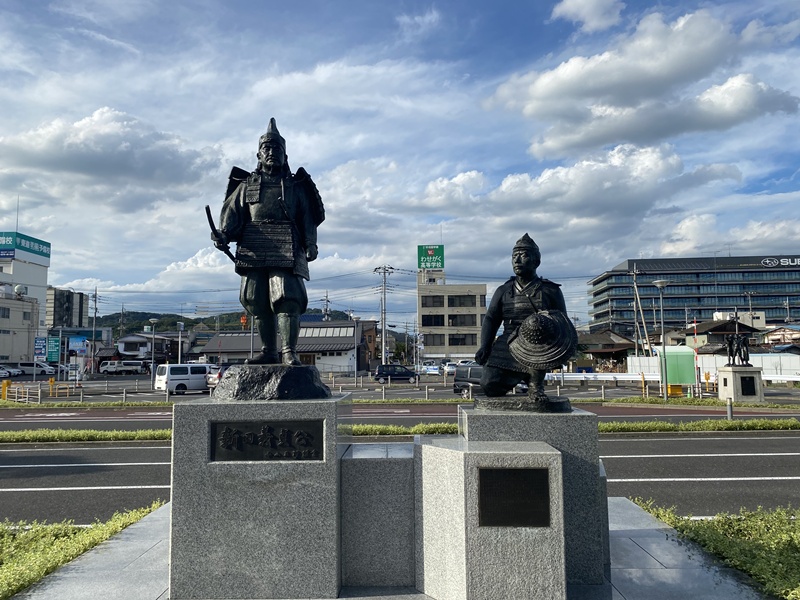
The heroic Statue of Nitta Yoshisada at Ota Station. He is depicted alongside his younger brother, Wakiya Yoshisuke. This statue captures their valiant forms as they prepared to march on Kamakura in 1333, famously known for battles like Bubaigawara.
Yoshisuke was a loyal general who constantly supported his older brother and continued to lead the Nitta army even after Yoshisada’s death in battle. Seeing them standing together like this highlights not just their status as historical heroes, but also the powerful bond of brotherhood.
Even today, the people of Ota City hold Lord Yoshisada in high regard, affectionately referring to him as "Yoshisada-san."
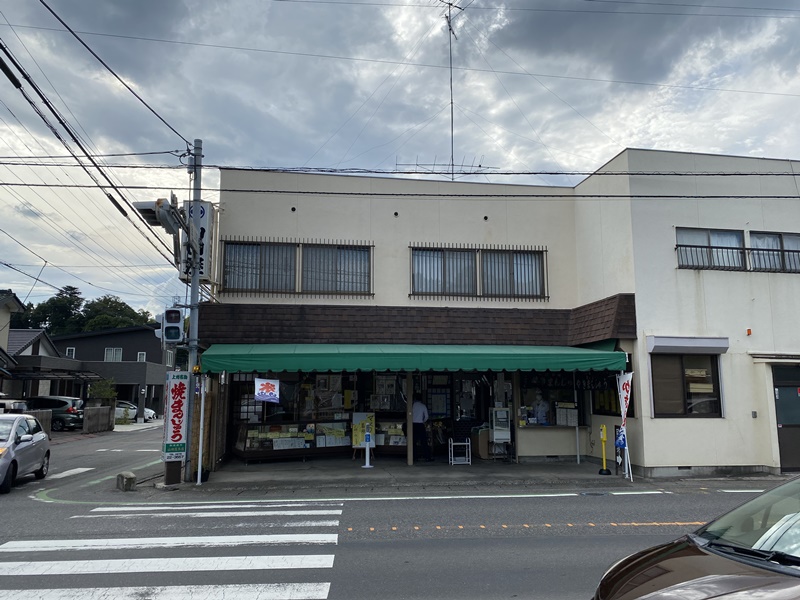
Now for some local treats! Welcome to Yamadaya Honten, a famous shop for "Yaki-manju"—Gunma’s ultimate soul food. I’ve heard these are a staple at local festivals and street stalls across the prefecture.
While many shops sell them, Yamadaya is particularly renowned. For many locals, the name Yamadaya Honten is synonymous with authentic Yaki-manju.
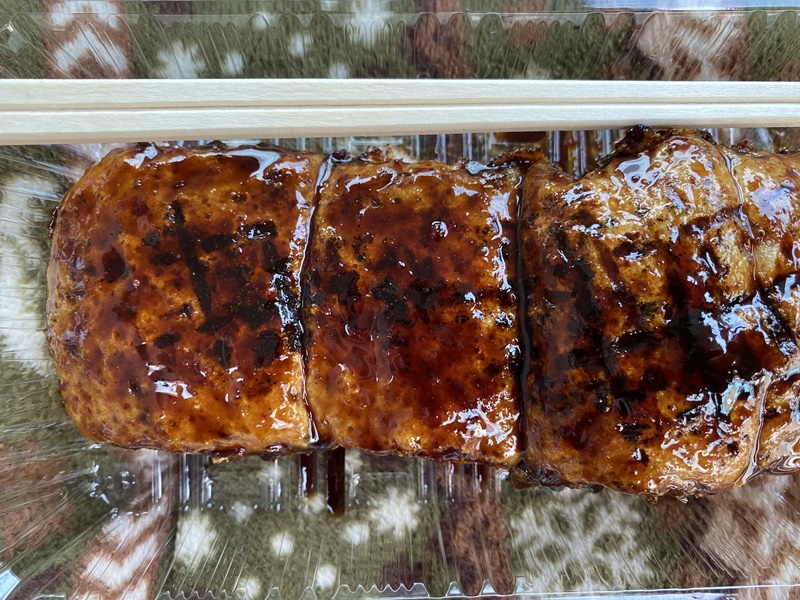
This is the Yaki-manju! A single skewer cost about 200 yen. Since it's called a "manju" (bun), I wasn't expecting them to be this huge! Unlike most street foods you eat by hand, you typically enjoy these with chopsticks.
They are surprisingly light and fluffy, so I managed to finish the whole thing in no time! The sweet and savory miso glaze has a wonderful roasted aroma that makes for a perfect snack.
| Item | Details |
|---|---|
| Name | Yamadaya Honten |
| Price | Yaki-manju: 200 yen (per skewer, based on 2024 data) |
| Location | 2395 Yuracho, Ota City, Gunma |
| Access | Approx. 15 mins by car from Kanayama Castle Ruins |
| Phone | 0276-31-1966 |
| Highlights | A long-established shop specializing in Gunma's famous "Yaki-manju." The fragrant roasted miso glaze is divine. |
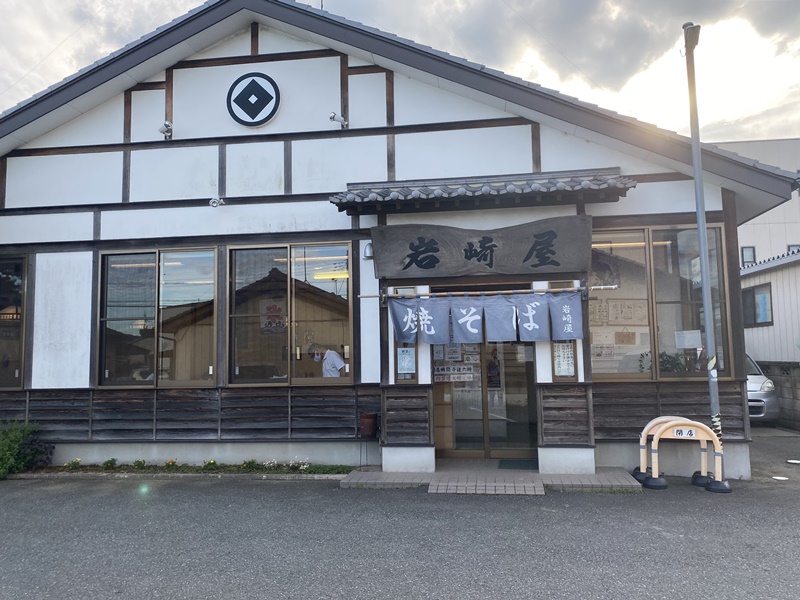
Next on our culinary adventure is Iwasakiya. This is the place to go for Ota City's iconic "Ota Yakisoba."
Iwasakiya is a legend in the city, evidenced by the countless celebrity autographs lining the walls. It’s so popular that it’s common to see lines or for them to sell out early, but luckily I managed to get in without a wait!
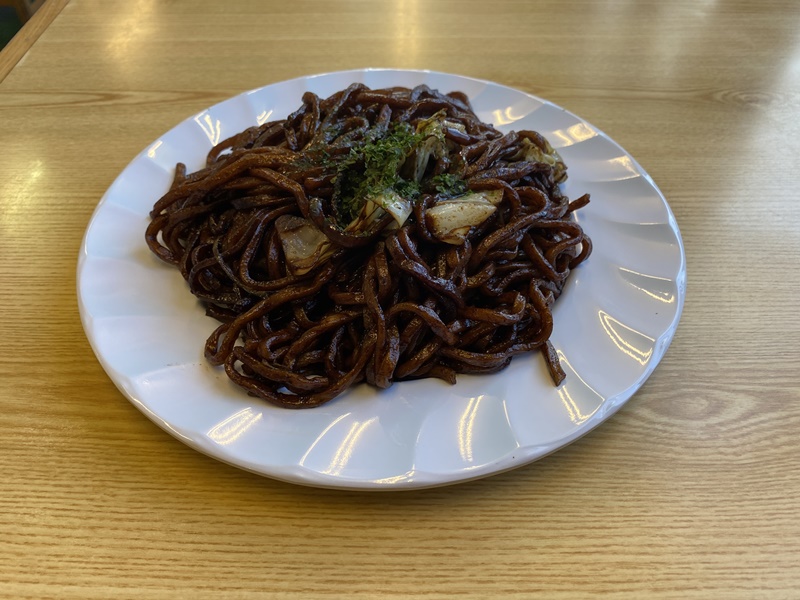
I ordered the medium size for 370 yen. My first impression? "Wow, it’s really black!" The sauce is much darker than the yakisoba you find in other regions. The toppings are simple and classic: cabbage and a dusting of aonori (dried seaweed).
The taste is a total surprise—despite the dark color, it’s actually quite mild and refreshing! The noodles are delightfully chewy (mochi-mochi), which pairs perfectly with the light flavor of the sauce. It’s a wonderful contrast to how it looks, and a definite must-try for any noodle fan!
| Item | Details |
|---|---|
| Name | Iwasakiya (Ota Yakisoba) |
| Price | Regular portion: 450 yen (based on 2024 data) |
| Location | 697-8 Terai-cho, Ota City, Gunma |
| Access | Approx. 20 mins by car from Kanayama Castle Ruins |
| Phone | 0276-37-0258 |
| Highlights | A specialty shop famous for Ota’s signature thick noodles and uniquely dark, savory sauce. |

I ate so much Yaki-manju and Yakisoba! I'm completely stuffed and super satisfied. Both were so hearty and delicious! ☆
Castle Stamp & Access Guide
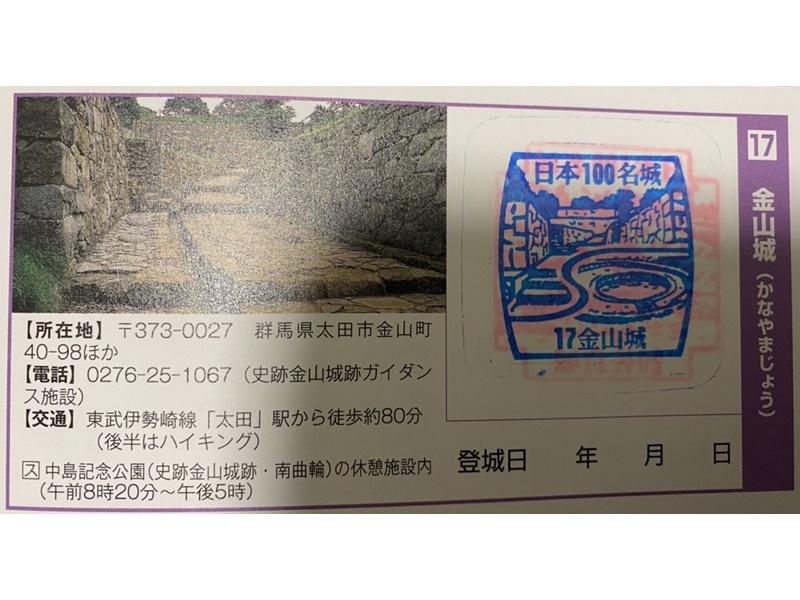
| Item | Details |
|---|---|
| Location | South Bailey Rest Area (Minami Kuruwa Kyukeijo) |
| Hours | June – Sept: 8:30 AM – 6:00 PM Oct – May: 8:30 AM – 5:00 PM |
| Closed | Open year-round (No regular holidays) |
| Phone | 0276-25-1067 |
| Fee | The rest area and castle grounds are free to enter. |
| Note | The stamp is only available at this single location. |
| Item | Details |
|---|---|
| Address | 40 Kanayamacho, Ota City, Gunma (Historic Kanayama Castle Ruins / Nakajima Memorial Park) |
| Access (Car) | Approx. 15 mins from "Ota-Kiryu IC" on the Kita-Kanto Expressway, then a 15-min walk from the summit parking lot. |
| Bus | Public bus service is limited; using a rental car or taxi is more practical. |
| Parking | Free parking is available at the end of the summit prefectural road. |
| Phone | 0276-20-7090 (Ota City Cultural Property Division) |
| Time Needed | Approx. 45–60 mins. Allow over an hour if you plan to explore the ruins and hike to the summit thoroughly. |

The paths at Kanayama Castle are relatively gentle, but you'll still be walking on mountain trails. I highly recommend wearing comfortable walking shoes and bring plenty of water before you start your hike!
Summary
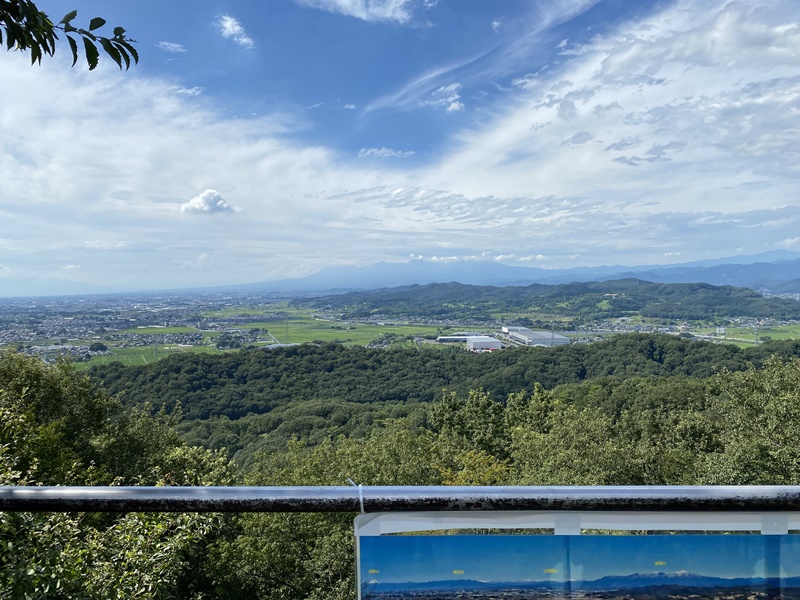
Behold the view from the observation deck! Perched atop the peak, it offers a commanding gaze over the entire city of Ota. The weather was flawless during my visit, allowing for truly spectacular vistas. Gazing out over the horizon, I couldn't help but imagine how the samurai of old utilized this strategic vantage point to detect enemy movements from miles away at the earliest possible stage.
Kanayama Castle was a vital stronghold during the Sengoku period’s fierce struggle for supremacy over the Kanto region. Its tactical brilliance is evident everywhere—from the "blind alleys" designed to disorient and trap invaders, to the deceptive pathways leading from the Babashita Passage. Exploring these intricate defensive features was a highlight of the trip.
Furthermore, at the Ote Entrance (located in a valley where water naturally converges), you can observe sophisticated engineering feats from centuries ago. The meticulously planned drainage channels and stone-lined grooves, designed to protect the massive stone walls from erosion and collapse, are truly a sight to behold up close.
The true charm of walking through Kanayama Castle is the harmonious blend of profound history and rich, vibrant nature. The mountain trails are well-maintained and not overly steep, making it an ideal course for a refreshing and manageable hike.
To top off your historical adventure, exploring the local "soul food" like the famous Yaki-manju and Ota Yakisoba is an absolute must. For a perfect day of history, nature, and gourmet delights, I highly recommend a visit to Kanayama Castle and its surrounding treasures!
Kanayama Castle had such a mysterious, ancient vibe—almost like a lost ruin rather than a typical castle! It was so cool! ♪
Definitely! And even though it’s a mountain castle, the paths were so well-paved that it was easy to just relax and soak in the scenery!
I agree! But I was so thirsty halfway up... I don't know what I would've done without the vending machine at the rest area! It was a literal oasis! ☆
Haha, typical Momiji! (laughs) But seriously, that grand panoramic view from the lookout was the ultimate reward after the hike. Seeing the Kanto Plain spread out like that was truly magical.
It really was! I’d love to come back during the autumn when the leaves are even more colorful! The neighboring castles on the list are No. 16 Minowa Castle and No. 18 Hachigata Castle. Be sure to visit them too! ♪
▼ Explore Castles in Kanto & Koshinetsu
Kanto Area
14. Mito Castle /
15. Ashikaga Residence /
16. Minowa Castle /
17. Kanayama Castle /
18. Hachigata Castle /
19. Kawagoe Castle /
20. Sakura Castle /
21. Edo Castle /
22. Hachioji Castle /
23. Odawara Castle /
Koshinetsu Area
24. Takeda Residence /
25. Kofu Castle /
26. Matsushiro Castle /
27. Ueda Castle /
28. Komoro Castle /
29. Matsumoto Castle /
30. Takato Castle /
31. Shibata Castle /
32. Kasugayama Castle


