
Hi there! I'm Sakura Somei, your guide for Hachioji Castle. In this article, I’ll walk you through the history of this legendary fortress and introduce some great local sightseeing spots. I'm excited to explore with you! ♪

Hachioji Castle is a formidable mountain fortress perched at an elevation of about 445m. It’s famously known as the site of a tragic and heroic defense against Toyotomi Hideyoshi’s massive army. Today, it’s a popular destination for hikers who want to experience both rich history and stunning natural scenery!
Basic Information
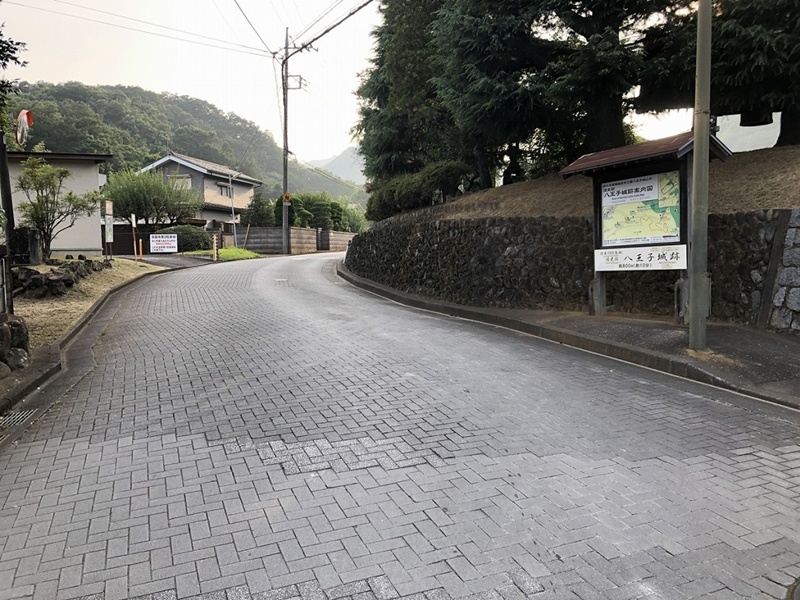
Hachioji Castle was constructed during the late Sengoku period by Hojo Ujiteru, the third son of the legendary Hojo Ujiyasu. It served as a critical subsidiary fortress to the clan's main seat at Odawara Castle.
Ujiteru was a formidable commander, securing 36 victories on the battlefield while supporting his brother, Ujimasa. He was not only a warrior feared by rivals but also a highly capable and benevolent administrator, deeply respected by his people for his compassionate governance.
Despite its reputation as a massive, near-impregnable mountain stronghold, Hachioji Castle met a tragic end in 1590. During Toyotomi Hideyoshi’s Siege of Odawara, an overwhelming force of 15,000 troops led by the Maeda and Uesugi clans captured the castle in just a single day. Its fall effectively signaled the end of the Hojo clan’s resistance at Odawara. The fierce battle at the Goshuden Palace remains one of the most tragic episodes in samurai history.
Before his death, Ujiteru composed a final jisei (death poem): "Born within the purity of heaven and earth, it seems I must now simply return to my original home." This poignant verse reflects the classic samurai philosophy of returning to the natural cycle of the universe.
| Item | Details |
|---|---|
| Year Built | Approx. 1582 (Tensho 10) |
| Founder | Hojo Ujiteru (Later Hojo Clan) |
| Key Events | 1590: Fall of the castle to Toyotomi forces |
| Main Lord | Hojo Ujiteru |
| Key Structures | Goshuden Ruins, Stone Walls, Hikibashi Bridge, Ancient Trails |
Hachioji Castle is ranked #22 on Japan's Top 100 Castles list. It’s a remarkable mountain site where you can truly feel the turbulent energy of the Sengoku period! ♪
About the Castle
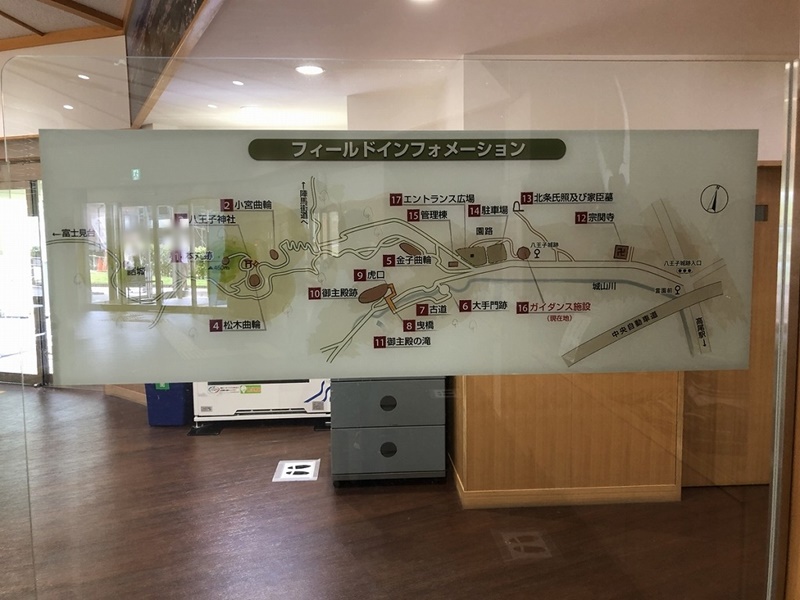
Hachioji Castle is a quintessential "yamajiro" (mountain castle) located in Hachioji City, Tokyo. Sprawling across a massive footprint, the fortress was strategically designed to be protected by the North and South Asakawa Rivers, as well as the naturally rugged terrain of surrounding mountains and deep valleys.
Regarded as one of the premier mountain strongholds in the Kanto region, its tactical brilliance is still visible today. Highlights include the ruins of the Goshuden (the Lord’s residence), sophisticated stone walls that have remained intact for over 400 years, and a uniquely engineered Koguchi (gateway) featuring stone-paved paths and tiered landings designed to slow down attackers.
The effort of the climb is rewarded at the summit, which offers a commanding panoramic view. On a clear day, the horizon opens up, allowing you to see all the way to Sagami Bay.
Hachioji Castle also goes by the aliases Fukasawa-yama Castle and Bushu Hachioji Castle. These names stem from its location on Mount Fukasawa in the old Musashi Province (Bushu). It’s truly a fortress built to dominate the landscape!
Walking Around Hachioji Castle
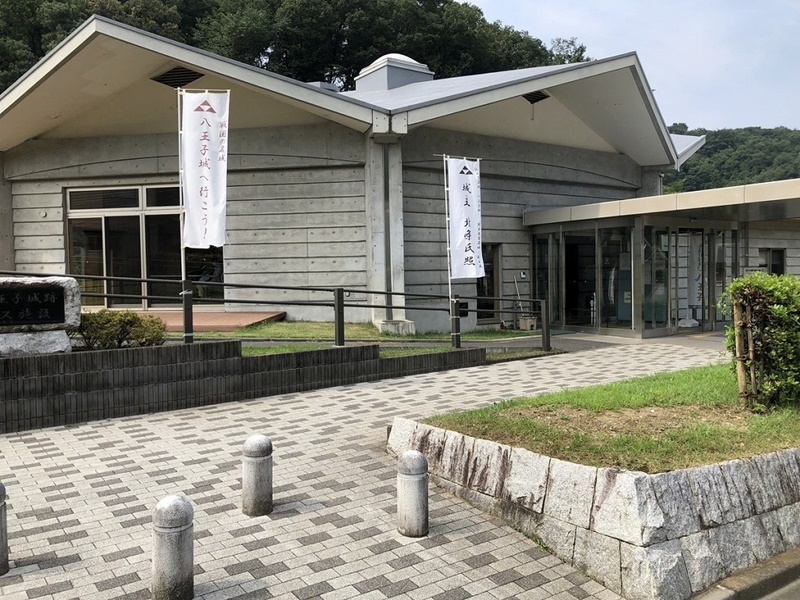
Our journey began at Takao Station. To reach Hachioji Castle, take the Nishi-Tokyo Bus from the station towards the "Reien-mae/Hachioji-jo Iriguchi" stop, followed by a 15-minute walk.
Traveler's Tip: On weekends and holidays, there is a special bus service that drops you off directly at the Guidance Facility. If you’re a stamp collector, this facility should be your first stop! I made sure to head there first to get my Top 100 Castles Stamp.
Inside the facility, you can view displays of samurai armor and historic maps. It’s a great way to visualize the castle's layout before you start the trek.
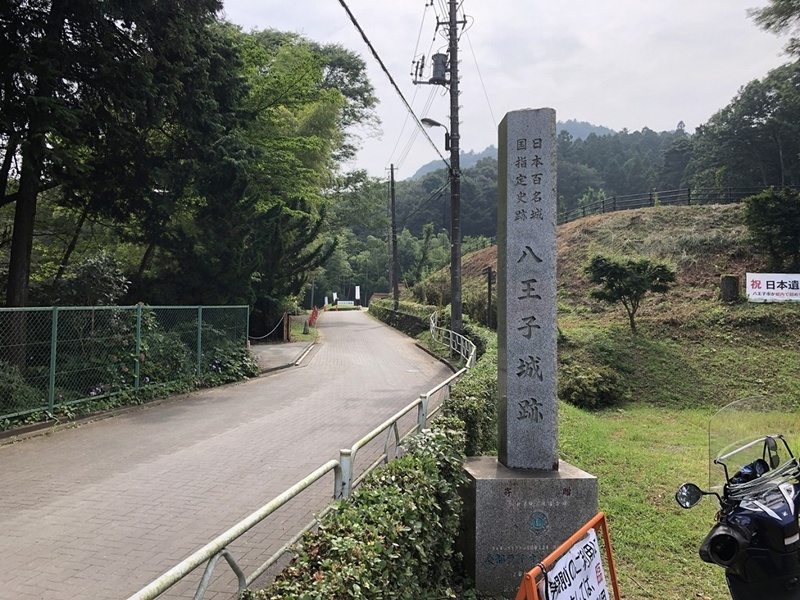
Leaving the facility, we passed a parking area—good to know if you're traveling by car or bike. Soon, the stone monument for Hachioji Castle appeared.
The castle is divided into two main zones: the Goshuden Area and the Honmaru (Summit) Area. The Goshuden area is relatively well-maintained and easier to navigate for most visitors.
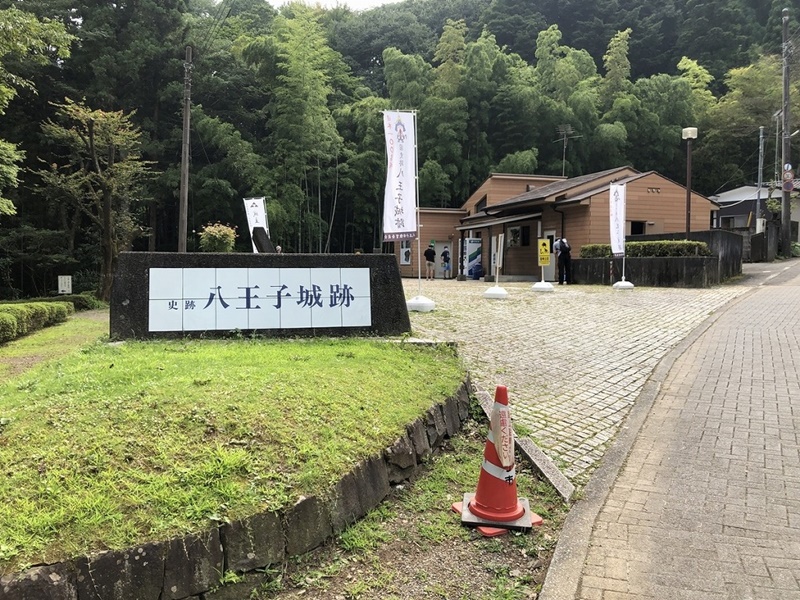
We reached the management building, surrounded by stone monuments and historical explanations. Since it was a scorching day, I took a moment to hydrate here.
Pro Advice: Because this is a true mountain castle, hydration spots are few and far between once you leave the base. Always carry plenty of water before you start the ascent!
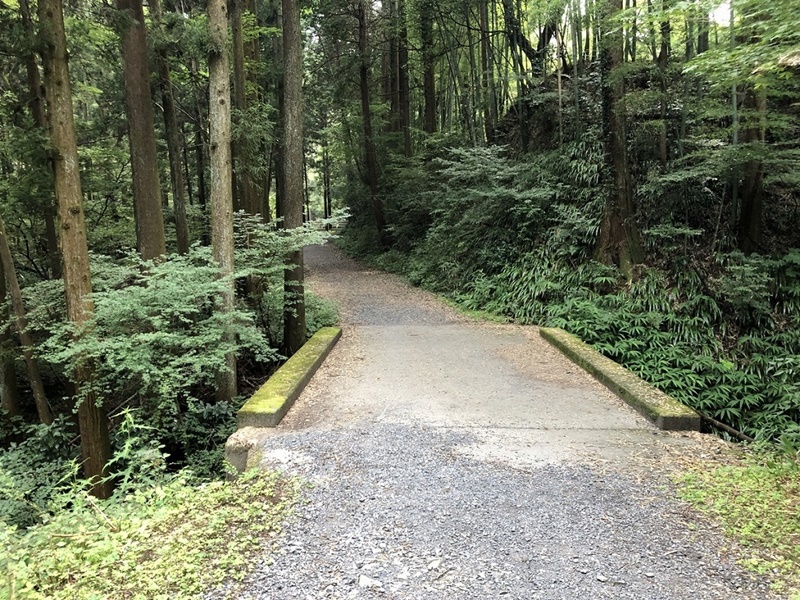
Past the buildings, the trail enters the forest. Strolling through the woods is a double win—you get to explore history while enjoying a healthy "forest bathing" experience. The paths in the Goshuden area are paved and manageable. Along the way, we saw the site of the Otemon Gate; though the structure is gone, signs clearly mark its historic location.
The sound of families playing in the nearby stream was lovely. On such a hot day, I was tempted to join them!
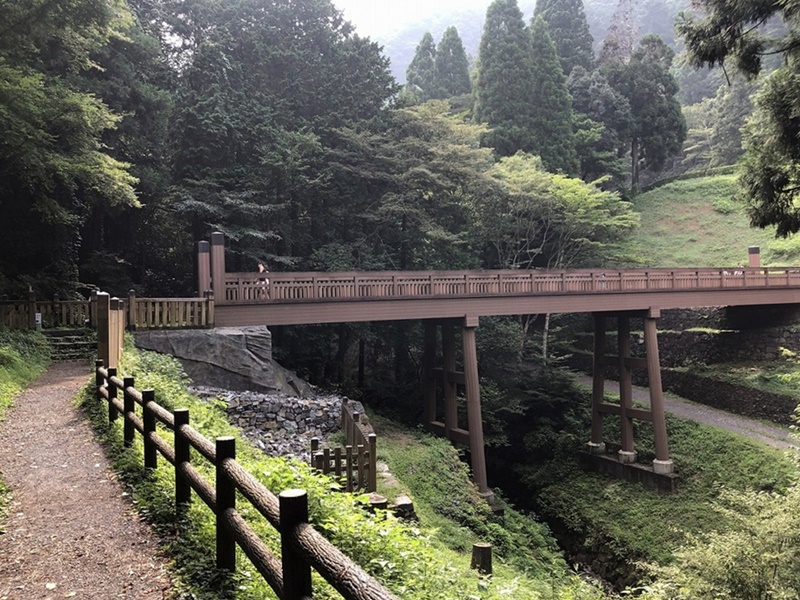
Hikibashi Bridge. As the path opens up, this striking reconstructed bridge appears. It connects the residential Goshuden area with the opposite bank. In the past, it was a simple wooden drawbridge designed to be easily destroyed to prevent invaders from reaching the Lord’s quarters.
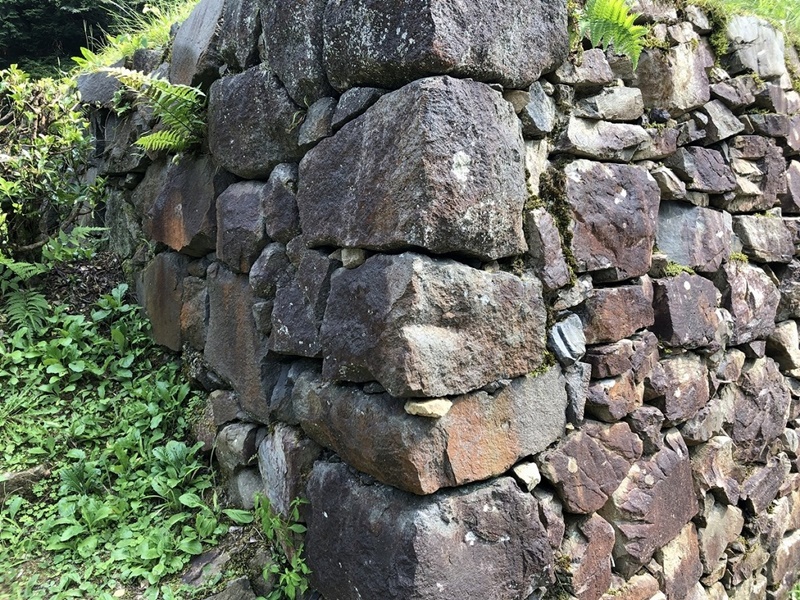
Next are the Stone Walls. Using local sandstone, these walls were meticulously stacked with smaller stones filling the gaps for added stability. Remarkable, these walls have stood firm for over 400 years without collapsing, offering a rare glimpse into authentic Sengoku-era masonry.
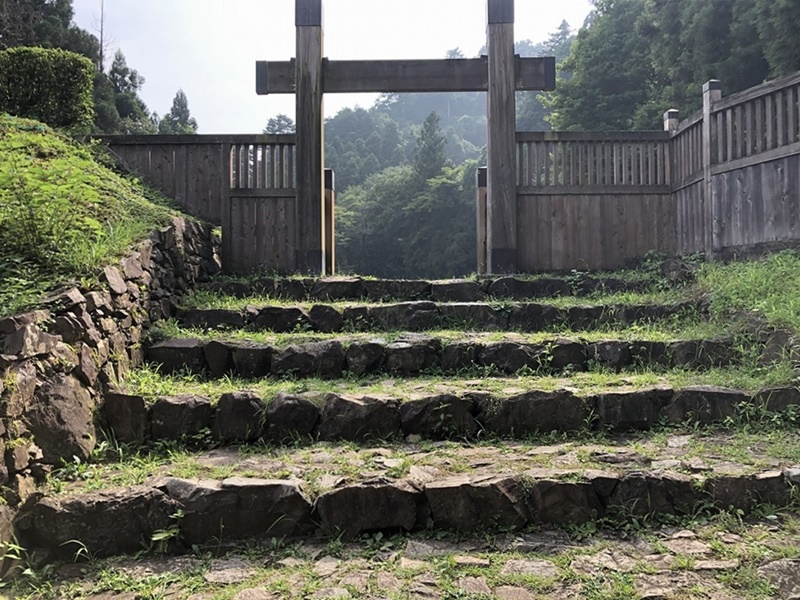
The Goshuden Koguchi (Entrance) and Yaguramon Gate site. The atmosphere of the stone stairs leading to the gate is incredible. This gateway features a unique design with two landings and stone paving—a tactical layout meant to defend the heart of the palace.
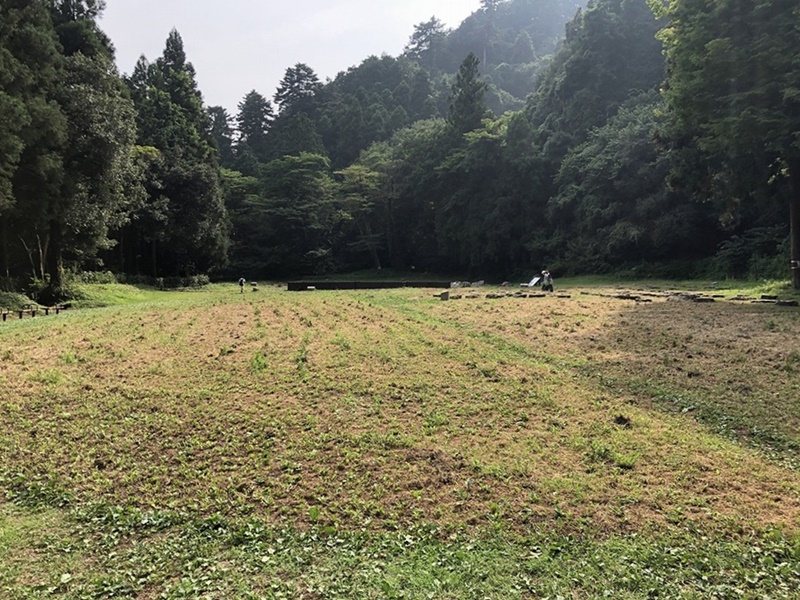
The Goshuden Ruins. This was the nerve center of Hachioji Castle, where Lord Hojo Ujiteru’s residence was located. While it’s now an open plaza, monuments and detailed signs mark the spots where various buildings once stood, allowing you to reconstruct the palace in your mind.
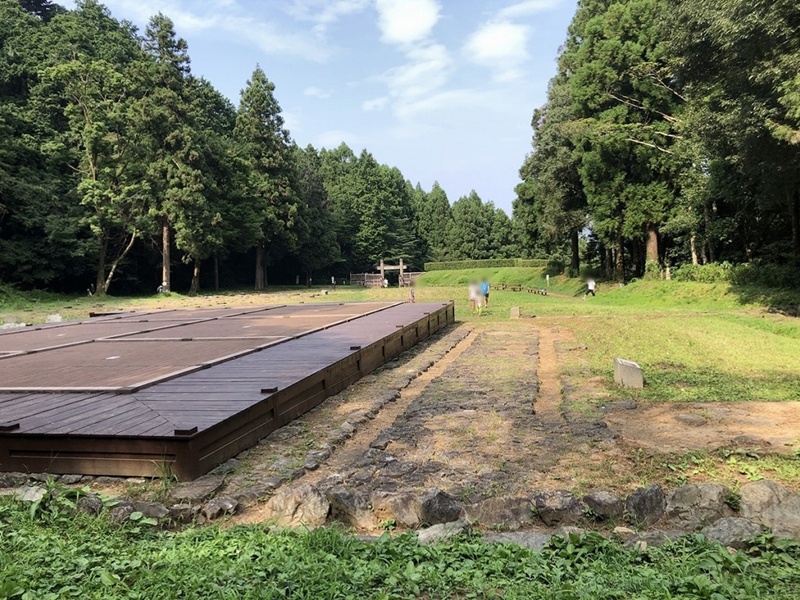
At the Kaisho Ruins, you can climb up the reconstructed base to get a real feel for the impressive dimensions of the buildings that once stood here.
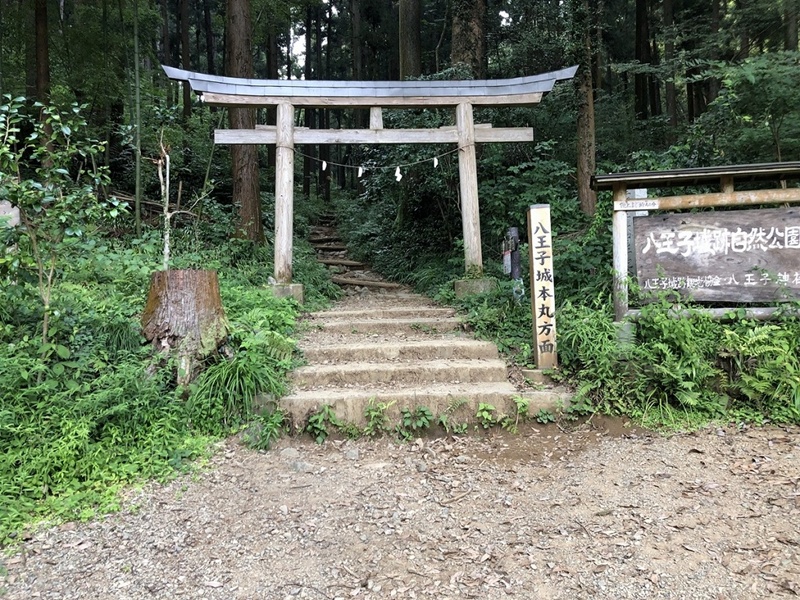
Now, for the challenge. Passing through this Torii gate signifies the start of the climb to the Honmaru (Main Bailey).
While the Goshuden area felt like a pleasant walk, the path from here is a serious mountain hike. It’s steep, unpaved, and physically demanding. Think of this less as a "tourist stroll" and more as a "climb." Fortunately, it’s mostly a single path, so you won’t get lost.
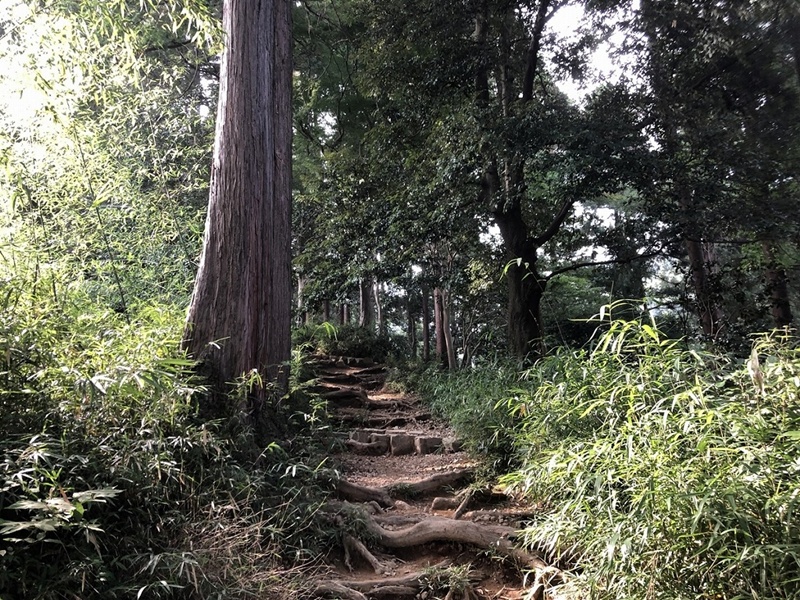
Hiking on unpaved ground is exhausting, and the gradient is no joke. However, there’s a lovely sense of community on the mountain; hikers greet each other as they pass—a warm "mountain etiquette" that you don't often find in city sightseeing.
I had to stop frequently to catch my breath and admire the view. At one point, feeling completely spent, I asked a passing hiker how much further it was. Hearing that I still had quite a climb ahead almost broke my spirit! But finding the "9th Station" (9-gome) marker gave me the motivation boost I needed—the summit was close.
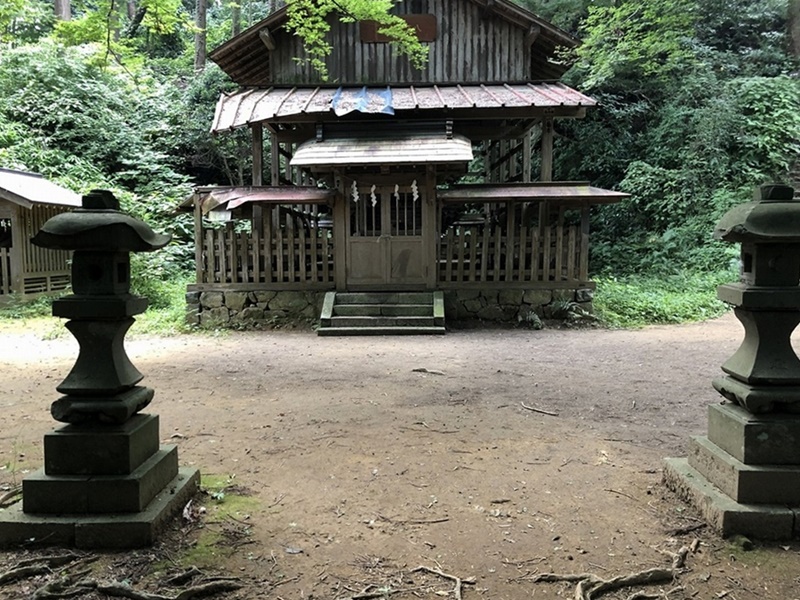
Near the top, you’ll find Hachioji Shrine. Two massive trees stand at the entrance like guardians. There’s a spiritual, "power spot" energy here that’s hard to ignore.
From here, you can access the Honmaru and the Matsugi Enclosure. We headed to Matsugi first.
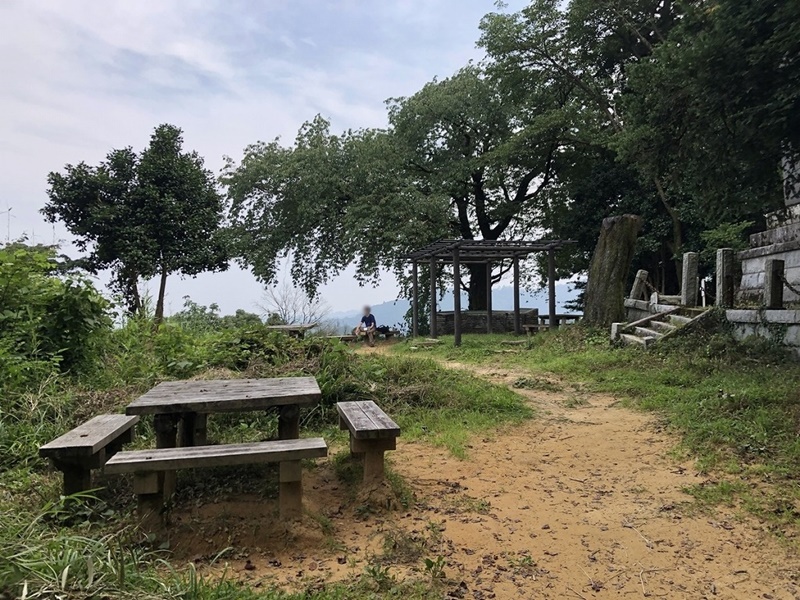
Matsuki Kuruwa (also known as the Ni-no-maru or Middle Bailey). This flat combat station was famously defended by Nakayama Kageyu Ienori.
It’s the widest open space in the summit area and an ideal place to rest. Note: There are no vending machines, water, or toilets at the summit, so plan accordingly!
The enclosure features historical monuments and a lookout point with a breathtaking panoramic view of the mountains—the perfect reward for the grueling climb.
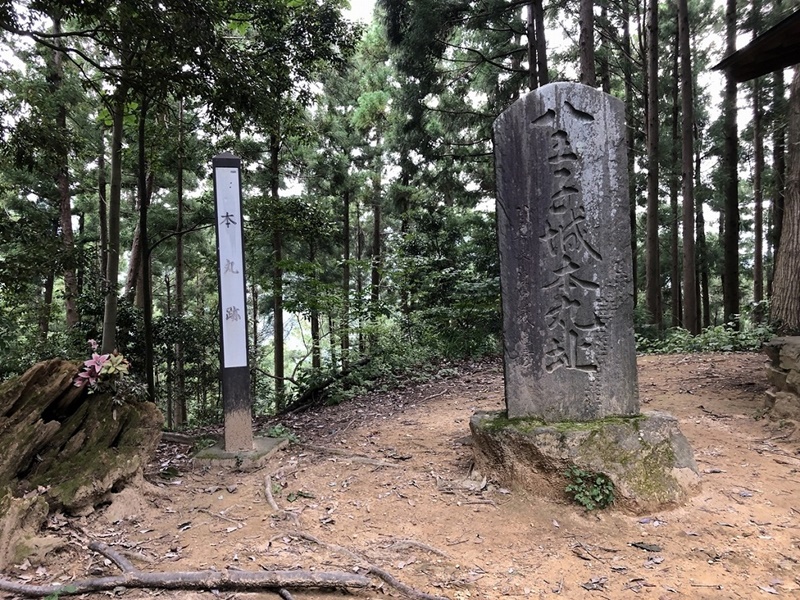
Finally, the Honmaru. This highest point was once guarded by Yokochi Kanmotsu. The path from Matsuki is a bit of a "beast trail," overgrown and wild.
The Honmaru itself is surprisingly small and understated, suggesting that no large buildings existed here. However, standing at the peak after such a long journey, the sense of accomplishment is unbeatable.
While most Kanto castles were built only with earth, Hachioji Castle features impressive stonework. It’s said that Hojo Ujiteru was influenced by Oda Nobunaga’s Azuchi Castle and wanted to incorporate the latest military technology, making this a rare and authentic stone-walled fortress in the region!
Exploring the Surrounding Area
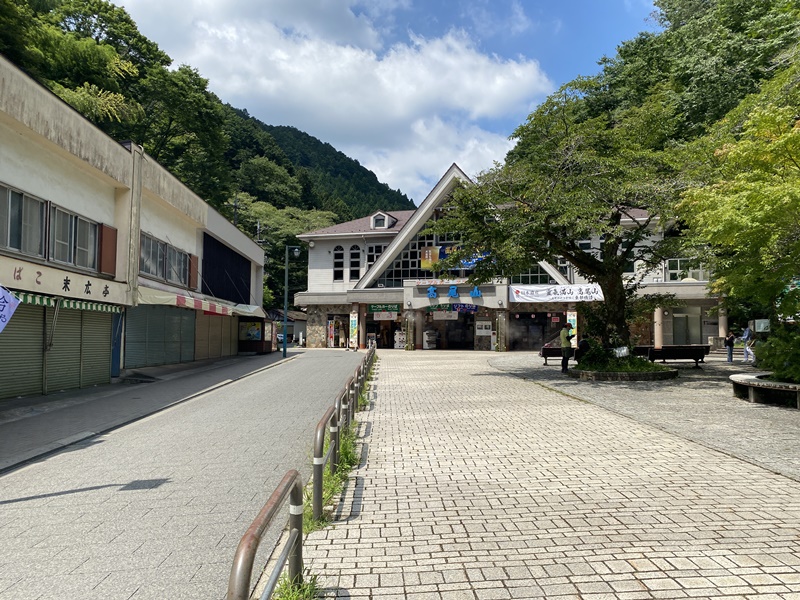
Our journey continues to Mount Takao! This is the plaza in front of Kiyotaki Station, the gateway to the mountain's ropeway. The area is buzzing with the energy of a classic tourist destination, lined with shops offering local snacks like "dango" dumplings and various souvenirs.
From Takaosanguchi Station, it’s a pleasant 5 to 10-minute stroll along a well-maintained approach to reach the ropeway. The walk itself is a treat, accompanied by the soothing sound of the river and lush greenery.
During my visit, the station area was adorned with numerous "furin" (wind chimes). Their gentle "tinkling" sounds provided a refreshing sense of cool in the air—a seasonal touch that makes Mount Takao so charming.
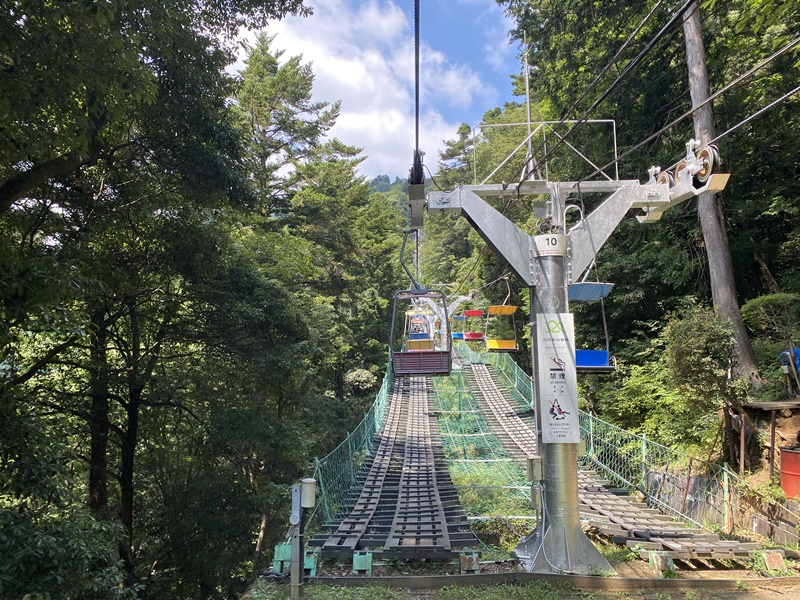
The ropeway whisks you up the mountainside in minutes. While you can certainly hike up from the base, taking the ropeway is a smart move if you want to save time and energy for the summit.
I’ll be honest—the steep angle was a bit intimidating at first! But the sheer exhilaration and the expanding views as you ascend are absolutely worth it.
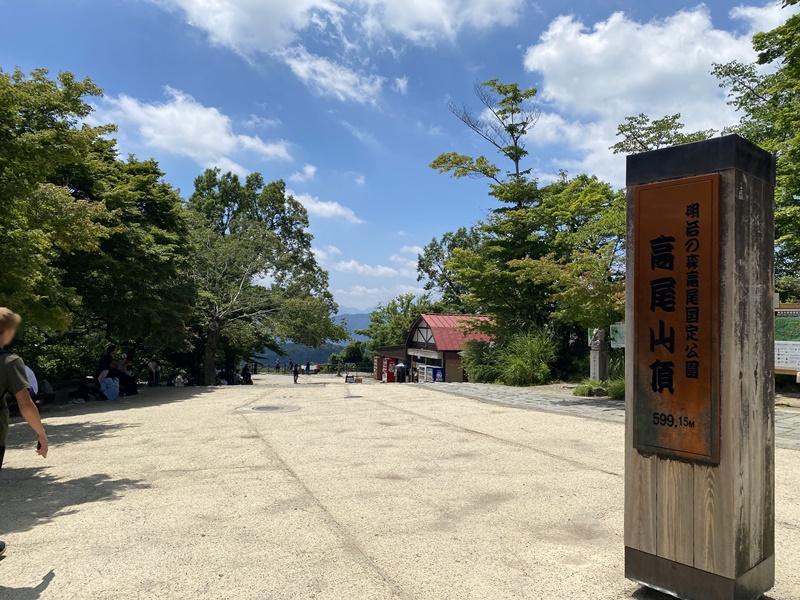
We reached the Summit of Mount Takao. As Hachioji's most famous natural landmark, the peak was lively and full of hikers.
The summit is well-equipped with snack shops, vending machines, and plenty of rest areas. Along the way up, you can also find unique spots like the Monkey Park and the famous "Tako-sugi" (Octopus Cedar), known for its massive roots that resemble octopus tentacles!
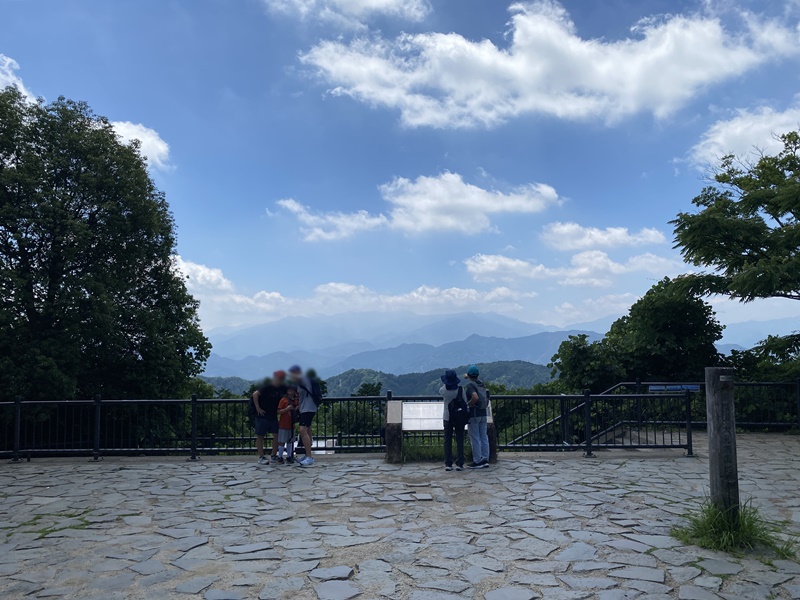
The observation deck at Mount Takao offers a breathtaking panoramic view. To the east, the vast Kanto Plain stretches out; on clear days, the Tokyo Skytree and Tokyo Tower are clearly visible.
If you look south, you might even spot Enoshima Island floating on the horizon or the Yokohama Landmark Tower. Being high in the mountains while still feeling the presence of the sea is a rare and luxurious experience unique to Takao.
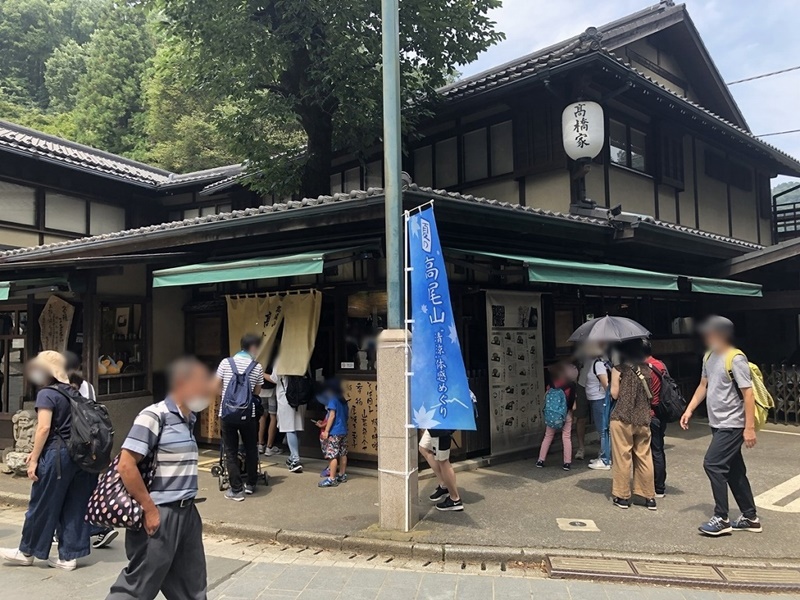
For a taste of tradition, I visited Takahashiya, a legendary soba restaurant located right near the ropeway station.
I had heard it was popular, and my expectations were met with a sizable queue! You need to write your name on a list and wait; it took me over 30 minutes to get seated. The restaurant offers a self-service area for water and aromatic buckwheat tea.
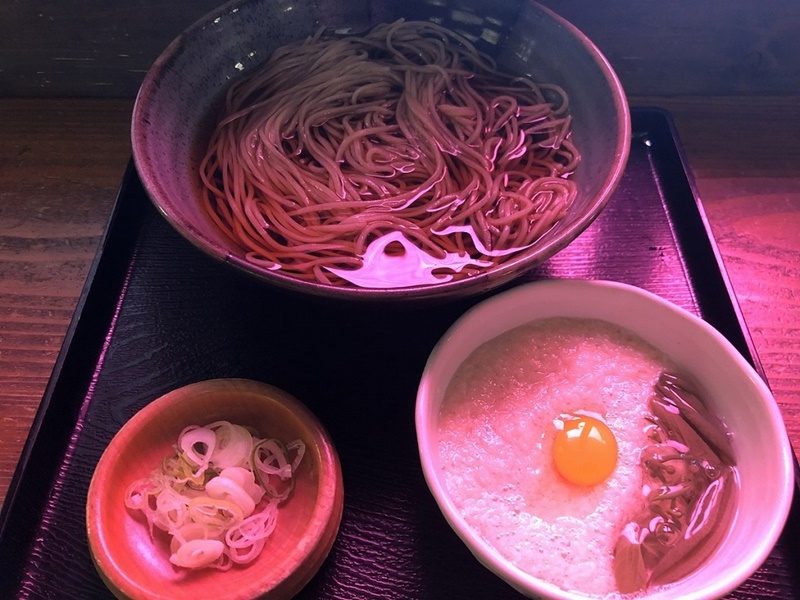
Here it is: the Tororo Soba (Grated Yam Soba). A large red umbrella outside cast a vibrant red hue over my table, so I apologize if the colors in the photo don't fully capture its natural look!
The staff recommended the "Hiyashi Tororo Soba" (cold noodles) as their most popular dish. The noodles have a perfect chew (koshi), and the broth is rich and flavorful. The grated yam clings beautifully to the noodles, making every bite satisfying. It’s a dish I’d definitely come back for!
| Item | Details |
|---|---|
| Name | Takahashiya |
| Price | Ten-zaru Soba: Approx. 1,450 yen (as of 2024) |
| Location | 2209 Takaomachi, Hachioji City, Tokyo |
| Access | Approx. 3-min walk from Takaosanguchi Station |
| Phone | 042-661-0010 |
| Highlights | A historic soba shop with over 130 years of history. Famous for its Tororo Soba, often attracting waits of over an hour during peak times. |
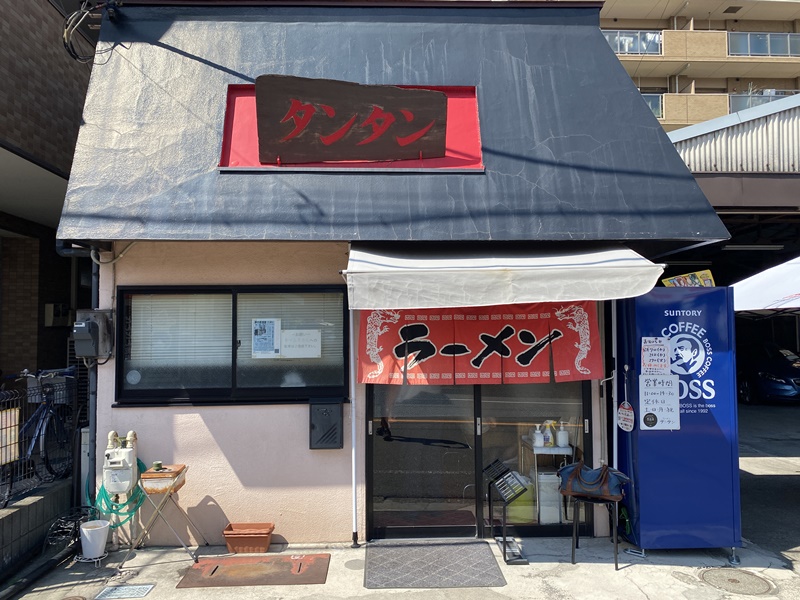
Next up is the local soul food: Hachioji Ramen at the famous shop "Tantan."
Located near Hachioji Station, this is the place to experience authentic local flavors. It’s a favorite among residents, and there was already a line forming when I arrived.
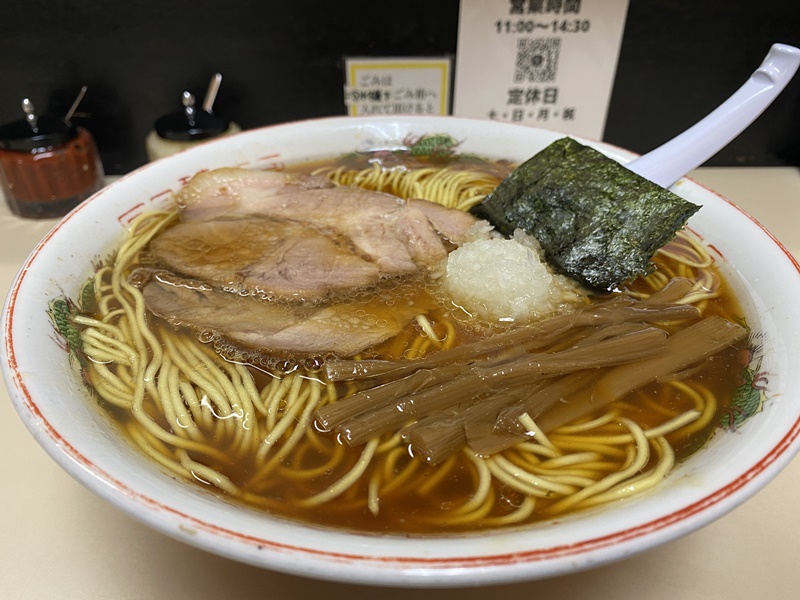
Behold the ramen! What immediately sets Hachioji Ramen apart is the **generous topping of finely chopped onions** instead of the typical green onions.
The soy sauce broth has a deep, dark color, but the taste is surprisingly mild with a sharp, concentrated umami from the dashi. A layer of lard on the surface keeps the soup piping hot until the very last bite. It’s the ultimate comfort food for any noodle lover!
| Item | Details |
|---|---|
| Name | Tantan |
| Price | Hachioji Ramen: Starting around 700 yen (as of 2025 reference) |
| Location | 1-30-6 Koyasumachi, Hachioji City, Tokyo |
| Access | Approx. 12-min walk from JR Hachioji Station (South Exit) |
| Phone | Information not public |
| Highlights | A veteran shop of the Hachioji Ramen scene. Known for its perfect balance of chopped onions, rich soy broth, and savory lard. |

I polished off both the soba and the ramen in no time! Both are super popular spots with lines, but they are totally worth the wait! ☆
Top 100 Castles Stamp & Access Info
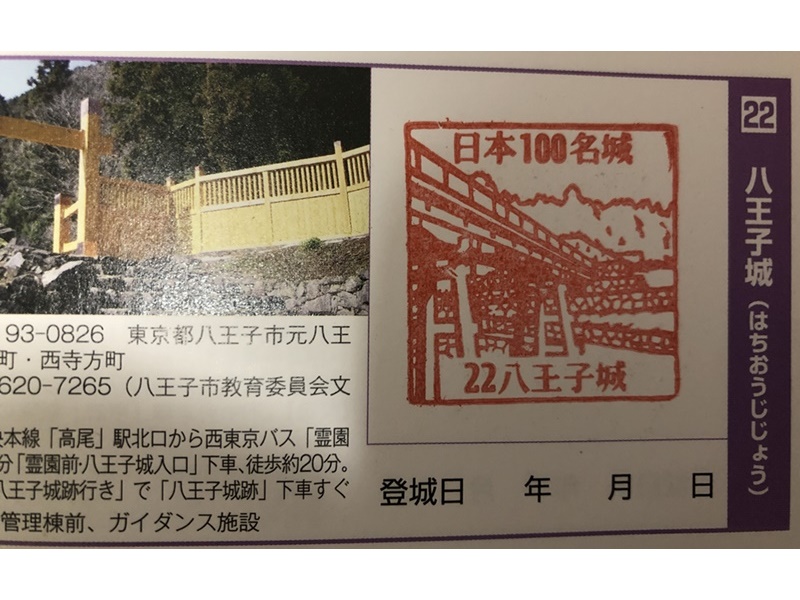
| Item | Details |
|---|---|
| Location | Hachioji Castle Ruins Guidance Facility |
| Hours | 9:00 AM – 5:00 PM |
| Closed | New Year’s Holidays (Dec 29 – Jan 3). Occasional temporary closures may occur. |
| Phone | 042-620-7265 |
| Admission | Free |
| Notes | There is only one stamp location at the base of the mountain. |
| Item | Details |
|---|---|
| Address | Moto-Hachiojimachi / Shimo-Ongatamachi, Hachioji City, Tokyo |
| Access | JR "Takao Station" (North Exit) → Take Nishi-Tokyo Bus to "Hachioji-jo Atotsui Iriguchi" and walk approx. 20 mins. |
| Bus Details | Use Bus Stop No. 1 at Takao Station North Exit for the "Hachioji-jo Atotsui Iriguchi" bound bus. |
| Parking | Free parking available (9:00 AM – 5:00 PM). Note: The gate is locked after hours. |
| Phone | 042-620-7265 (Hachioji City Board of Education, Cultural Properties Div.) |
| Visit Time | Approx. 45–60 mins for a quick visit. Allow 2+ hours if you plan to hike to the summit Honmaru area. |

Since you'll be navigating steep mountain trails, I highly recommend sturdy sneakers or trekking boots. Also, especially during summer, don't forget to pack plenty of water and bug spray—you'll definitely need them in the deep woods!
Summary
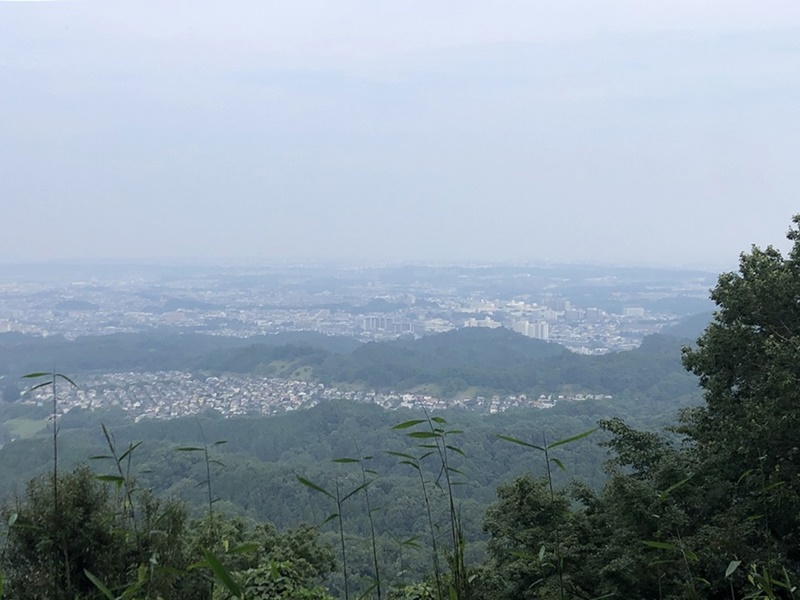
The photo above captures the breathtaking reward at the end of the climb. I’d love to say that this stunning view instantly made me forget all my fatigue... but honestly, my legs were still screaming! However, standing there and looking out over the landscape, I felt a profound sense of "it was all worth it."
Because Hachioji Castle is nestled deep in the mountains, the air is incredibly crisp and pristine. It’s one of those rare spots where you can fully immerse yourself in both intense samurai history and the healing power of nature at the same time.
A final word of caution: the trail to the Honmaru is a legitimate mountain trek. While the sense of achievement at the summit is massive, please don’t overexert yourself. Listen to your body and take it slow.
The Matsuki Kuruwa is the best spot for a long break near the top, but remember—there are no vending machines, running water, or toilets anywhere in the summit area. Be sure to prepare your supplies before you leave the base facility.
If you still have energy, the world-famous Mount Takao is just a short trip away. And of course, don’t leave the area without trying Takahashiya’s soba or a piping hot bowl of Hachioji Ramen. Pairing a castle adventure with local gourmet is the best way to travel!
Reaching the Honmaru was definitely a full-on hike, wasn't it? But that’s what made the summit victory taste so much sweeter! The view was just spectacular ♪
It felt great to get some real exercise! Mount Takao nearby is a Michelin 3-star peak too, so the views there were equally world-class. Hey, while we’re at it, shall we tackle Mount Fuji next?
Whaaat?! No way! Doing Hachioji and Takao in one go was my absolute limit! (cries) But I have to say, the scenery at both summits was so beautiful that I ended up filling my sketchbook! ☆
Hehe, it was definitely a healthy workout. Learning about the tragic end of Lord Hojo Ujiteru made me a bit emotional, but it really added a layer of depth to the visit. It’s a place that makes you think about the weight of history.
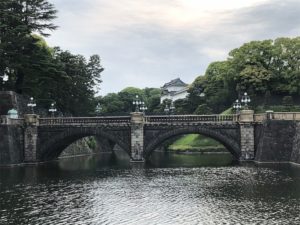
I agree. Understanding the fall of Hachioji Castle really gives perspective on the end of the Sengoku era. For those on the 100 Castles tour, the nearby stops are No. 21 Edo Castle and No. 23 Odawara Castle. Be sure to check them out! ♪
▼ Explore Castles in Kanto & Koshinetsu
Kanto Area
14. Mito Castle /
15. Ashikaga Residence /
16. Minowa Castle /
17. Kanayama Castle /
18. Hachigata Castle /
19. Kawagoe Castle /
20. Sakura Castle /
21. Edo Castle /
22. Hachioji Castle /
23. Odawara Castle /
Koshinetsu Area
24. Takeda Residence /
25. Kofu Castle /
26. Matsushiro Castle /
27. Ueda Castle /
28. Komoro Castle /
29. Matsumoto Castle /
30. Takato Castle /
31. Shibata Castle /
32. Kasugayama Castle