

Hi there! I'm Sakura Somei, your Castle Maiden guide for Kawagoe Castle. In this guide, I’ll take you through the historic fortress and show you some of the best sightseeing spots in the surrounding town. Let’s explore together! ♪

Kawagoe Castle was a legendary fortress that served as a vital "Northern Shield" for Edo (modern-day Tokyo) during the Edo period. Today, it’s a unique destination where you can experience authentic palace architecture while enjoying the nostalgic, history-steeped streets of "Koedo" (Little Edo)!
Basic Information
Kawagoe Castle was originally established in 1457 by the formidable father-son duo, Ota Michizane and Ota Dokan, who were key retainers of the Ogigayatsu-Uesugi clan.
Ota Dokan is famously celebrated as the visionary architect behind the original Edo Castle (now the site of the Imperial Palace in Tokyo). Because of this shared heritage, Kawagoe and Edo are often viewed as "sister castles" linked by Dokan’s legacy.
Dokan is also the protagonist of the poetic "Legend of Yamabuki." Caught in a sudden downpour while hunting, he asked a young farm girl for a straw raincoat (mino). Instead of a coat, she silently offered him a yellow yamabuki flower. Only later did Dokan realize she was referencing an ancient poem about the "bitter harvest" of poverty. Ashamed of his own lack of classical education, he vowed to master not just the sword, but also literature and art.
| Era | Event | Lord / Key Figures |
|---|---|---|
| 1457 | Construction begins by Ota Michizane and Dokan. | Ota Michizane & Dokan |
| Sengoku Period | The castle becomes a strategic prize fought over by the Hojo and Uesugi clans. | Hojo clan, Uesugi clan, etc. |
| Edo Period | Becomes the seat of the Kawagoe Domain, acting as a crucial defense for Edo’s north. | Matsudaira clan, Sakai clan, etc. |
| Meiji & Beyond | Castle is decommissioned; the Honmaru Goten palace and some ruins survive. | ― |
Kawagoe Castle is proudly ranked #19 on Japan's Top 100 Castles list! The surviving Honmaru Goten is an extremely rare and precious example of Edo-period palace architecture—a total must-see for any history fan! ♪
About the Castle
Kawagoe Castle is a "hirayama-jyo" (hilltop castle) located in Kawagoe City, Saitama. During the Sengoku period, it was a major strategic prize, serving as the stage for fierce power struggles between the mighty Hojo and Uesugi clans.
In the Edo period, the castle’s importance reached a new peak as it was designated as the primary shield protecting the northern flank of Edo Castle (the Shogun's seat). Successive lords of the Kawagoe Domain meticulously refined both the fortress and its surrounding castle town, solidifying its legacy as the ultimate guardian of the capital’s north.
Perhaps because its defenses were so formidable, Kawagoe Castle saw no major battles after the Sengoku era ended. It etched its name into history as a beacon of the "Great Peace" that defined the Edo period.
Today, the crowning jewel of the site is the Honmaru Goten (Palace)—an incredibly rare survivor that offers a vivid glimpse into the life of the high-ranking samurai. Other must-see spots include the beautifully reconstructed Naka-no-mon gate, the historic ruins of the Ta-kuruwa gate, and the serene, atmospheric courtyard of the palace.
Kawagoe Castle also goes by two beautiful poetic names: Hatsukari Castle (First Goose Castle) and Kirigakure Castle (Hidden Mist Castle). Legend says the name "Hatsukari" comes from the wild geese who, during their first migration of the season, would circle and cry over the castle grounds! Isn't that a lovely image?
Walking Around Kawagoe Castle
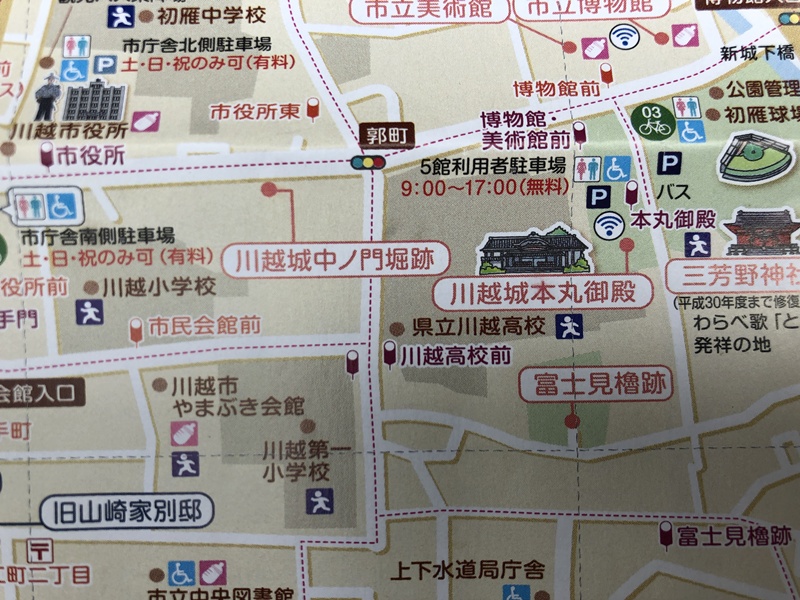
For this trip, I started from Kawagoe Station. Kawagoe Castle's main sights are somewhat spread out, so I planned my route in this order: 1. Naka-no-mon Moat Ruins, 2. Fujimi Yagura Ruins, and finally, 3. The Honmaru Goten Palace.
Pro Tip: The castle is quite a distance from the station. I highly recommend using a rental cycle or taking a local bus. Attempting to see everything on foot can be quite exhausting, so your feet will definitely thank you for the extra wheels!
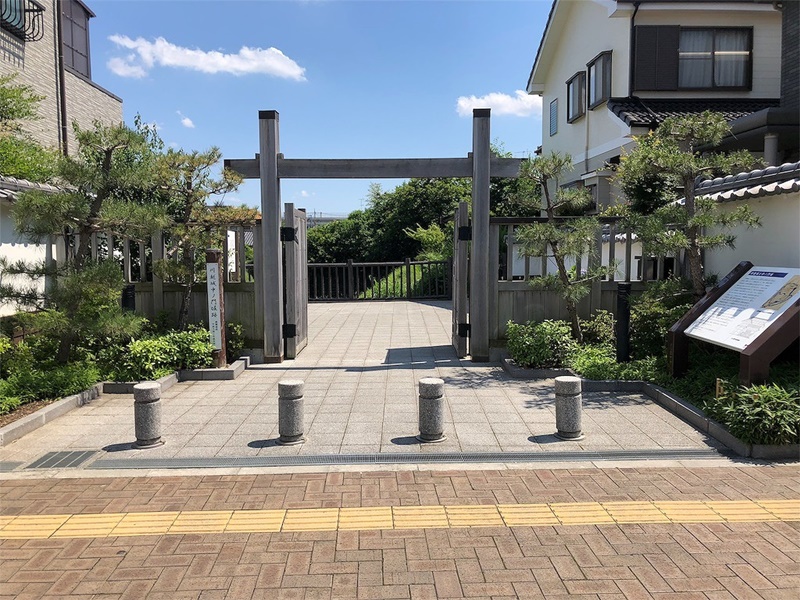
The photo above shows the Naka-no-mon Moat. The reconstructed gate and the surrounding dry moat serve as a vivid reminder of the castle's defensive ingenuity. Note that the gate is open from 9:00 AM to 5:00 PM.
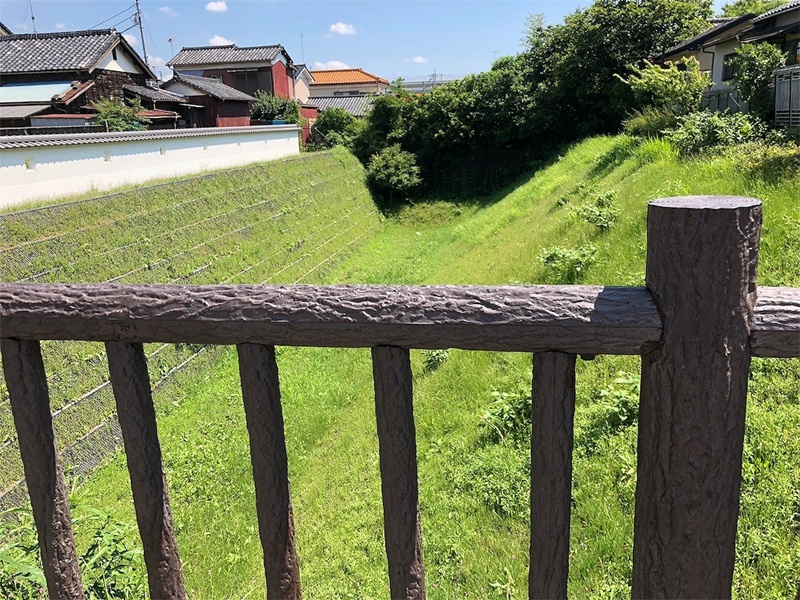
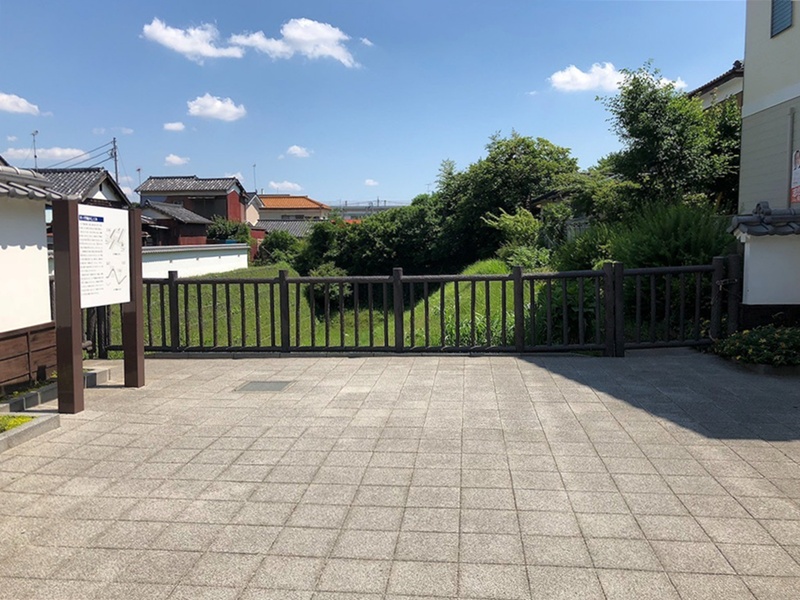
This is the view looking down into the Naka-no-mon Moat. It is approximately 7 meters deep and 18 meters wide! Breaching this would have been an absolute nightmare for any invader. Even if you made it to the bottom, you’d be a "sitting duck" for archers and riflemen stationed above while trying to scale the steep slope.
Seeing the depth in person is truly humbling. It really makes you appreciate the ruthless tactical reality of Sengoku-period warfare.
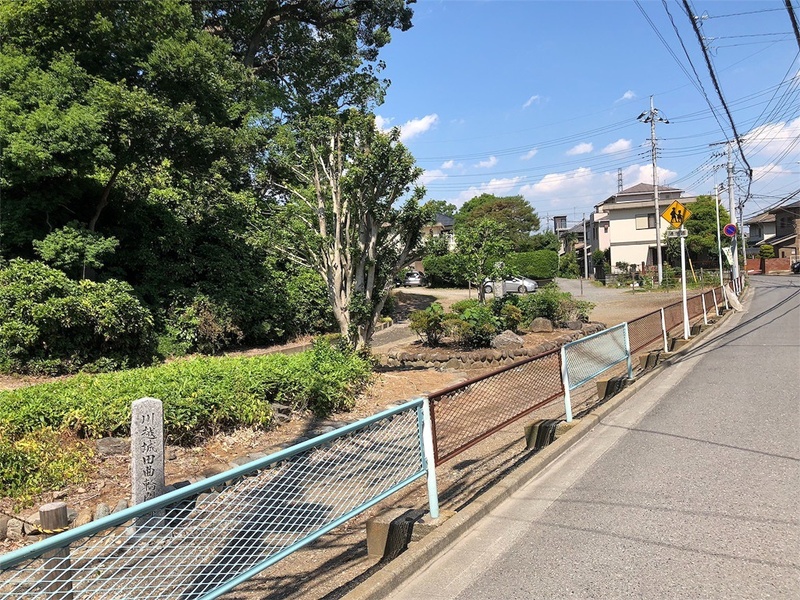
Next, I visited the Fujimi Yagura Ruins and the Ta-kuruwa Gate Ruins. The area is now a peaceful open space, with stone monuments marking where the massive structures once stood.
Since Kawagoe Castle lacked a main "Tenshu" (Keep), the Fujimi Yagura (Mount Fuji View Turret) served as the castle's practical symbol. Today, this spot is located within a quiet residential neighborhood near a school, so it’s best to explore quietly and respectfully.
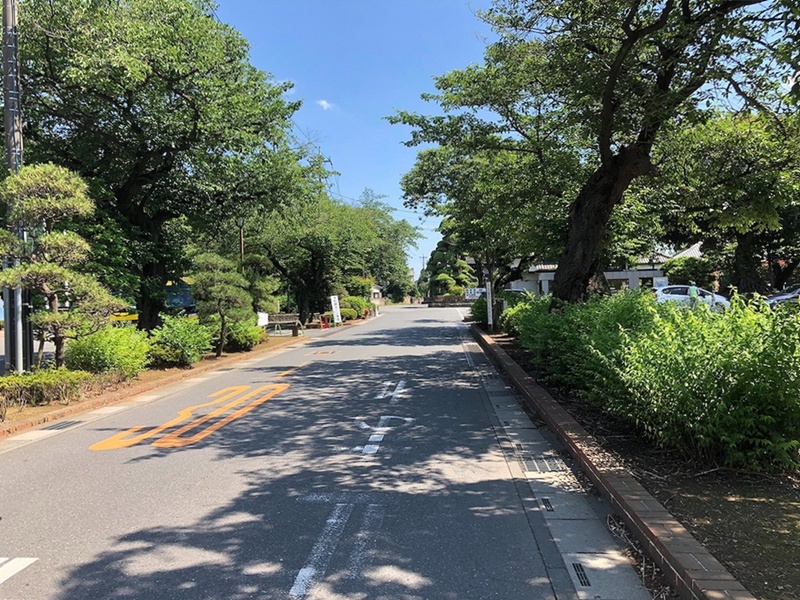
Welcome to Hatsukari Park! The Honmaru Goten Palace is located right inside this park. It’s a bit of a local hub, featuring a stadium and a shrine, with art and history museums just a stone's throw away.
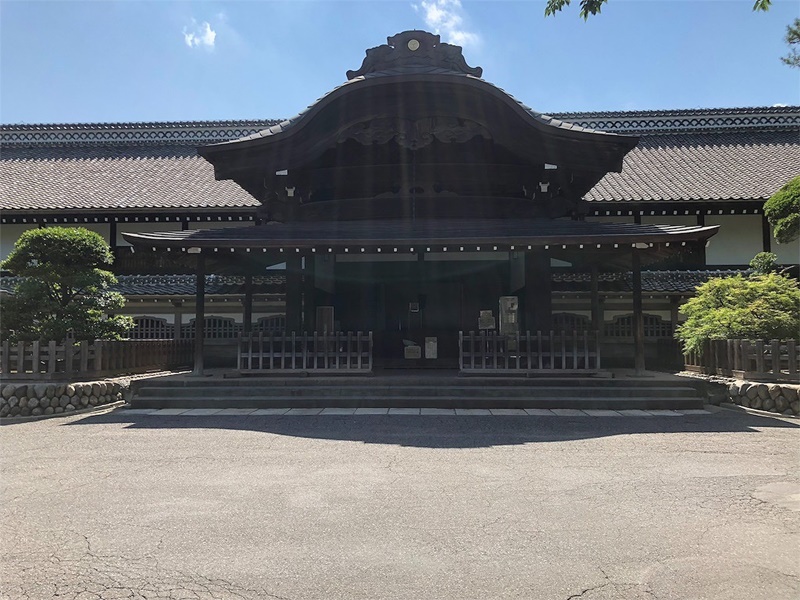
The main event: the Honmaru Goten Palace. This is also where you can get your official Top 100 Castles stamp!
The building itself is a National Important Cultural Property. Its grand, imposing entrance is one of the most iconic sights in all of "Koedo" Kawagoe.
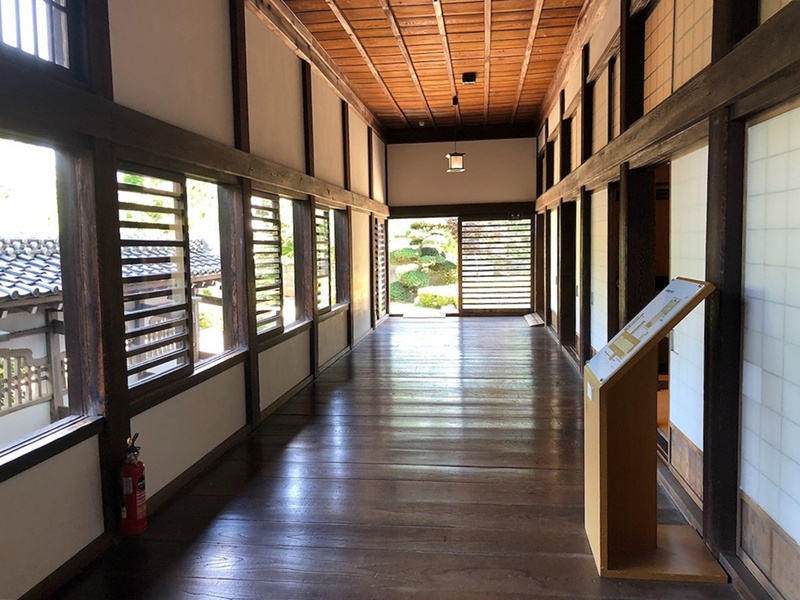
Walking through the corridors of the palace is an experience in itself. The hallways are incredibly long and offer a true sense of the building's massive scale. The views of the gardens from the veranda are serene—I found myself wondering if the ancient lords and high-ranking officials felt the same sense of peace while looking out at this very scenery.
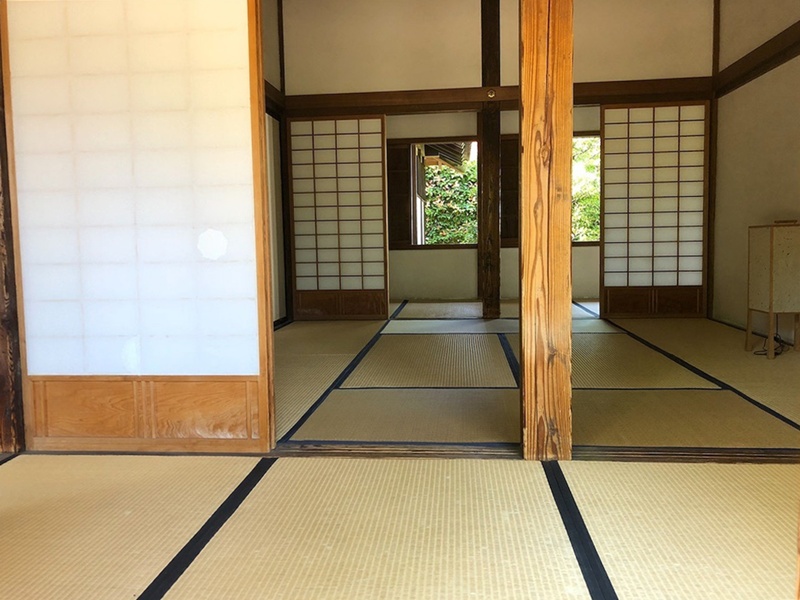
Inside, you’ll find traditional tatami rooms alongside museum-style exhibits. The displays include chronological timelines of the castle's history and excavated roof tiles. For the serious collectors, they even have a photo of a completed Top 100 Castles stamp book—definitely some motivation for those on the quest!
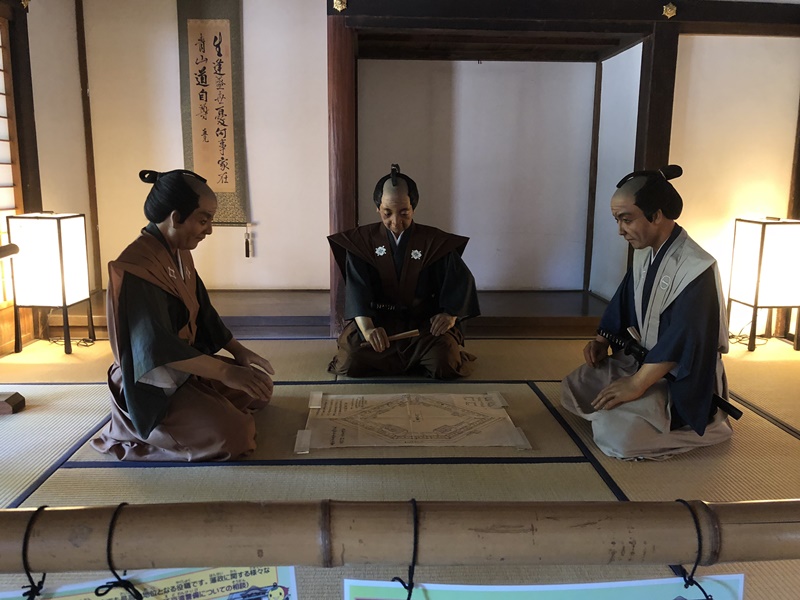
A realistic scale model recreating life at the palace. The attention to detail is fantastic!
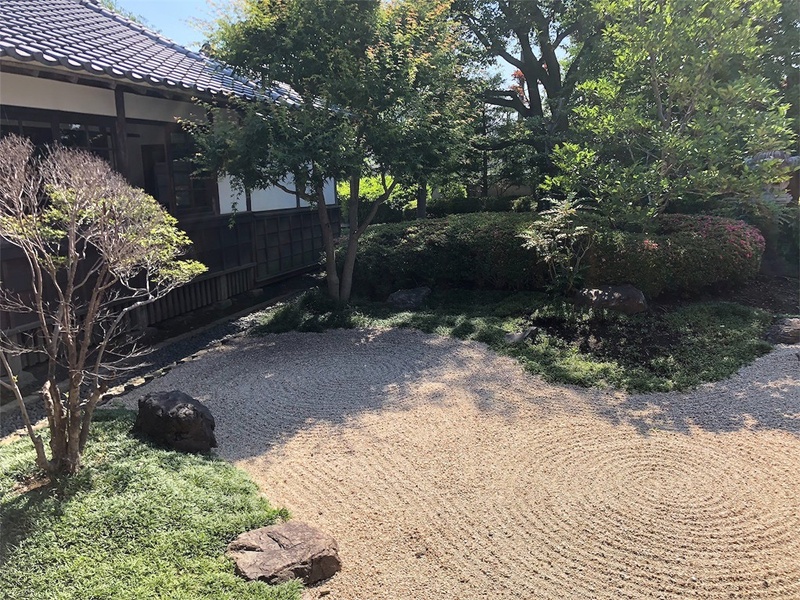
The courtyard garden is stunning. While the atmosphere is so inviting that you'll want to step outside, the garden itself is strictly off-limits to preserve it. You can, however, soak in the view to your heart's content from the indoor corridors.
Note: There is a designated one-way route through the Honmaru Goten that will lead you back to the exit after completing a full loop.
There is a cool legend about a well near the Honmaru Goten! It was said that whenever enemies attacked, someone just had to open the lid, and a thick, mysterious fog would instantly hide the entire castle. This is where the name "Kirigakure Castle" (Hidden Mist Castle) comes from!
Exploring the Surrounding Area
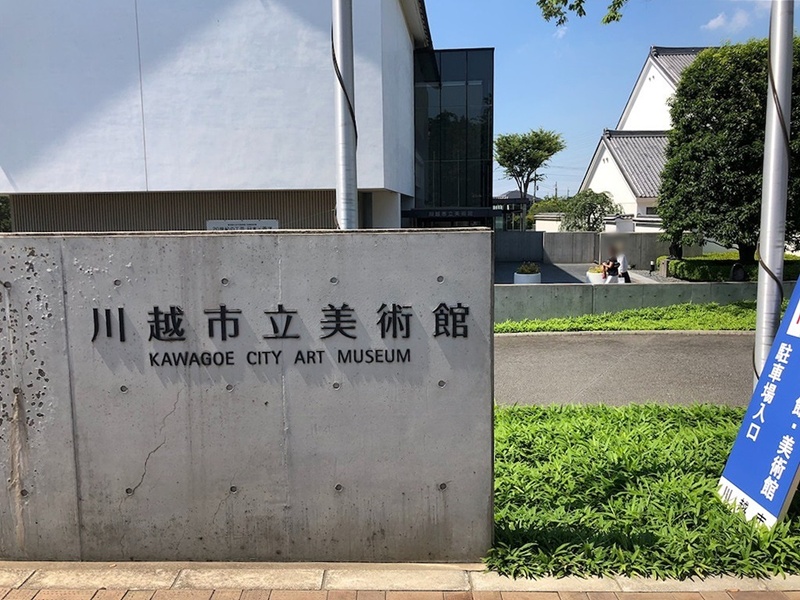
Continuing our stroll around Kawagoe Castle, we visit the Kawagoe City Art Museum and the City Museum. These two facilities are located right next to each other.
Photography was prohibited inside the Art Museum, so I only have a shot of the entrance. However, photography is allowed in the City Museum, so I managed to capture some of the fascinating exhibits inside!
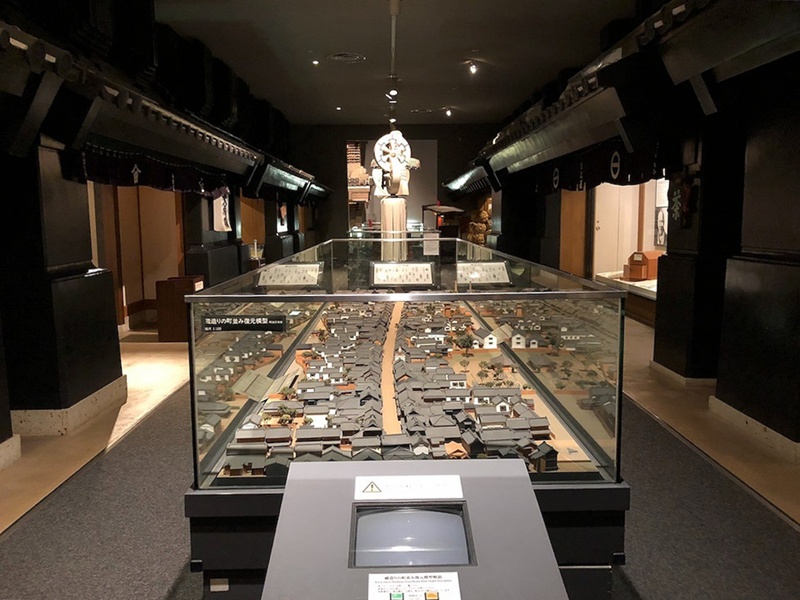
Inside the City Museum, you'll find incredible scale models recreating the historic streets of Kawagoe. The exhibits are organized into several blocks, featuring samurai armor, folding screens, and official documents from the Hojo clan era.
One thing that caught my eye was a "yaki-imo" (roasted sweet potato) stall exhibit. It made me wonder: how far back does Kawagoe's sweet potato obsession go? After a little digging, I found out that the roots of roasted sweet potato culture date all the way back to the late Edo period! It’s surprising to realize it’s such a long-standing tradition.
It was a "sweet discovery" that made perfect sense—the modern popularity of sweet potato treats in Kawagoe is built on centuries of delicious history!
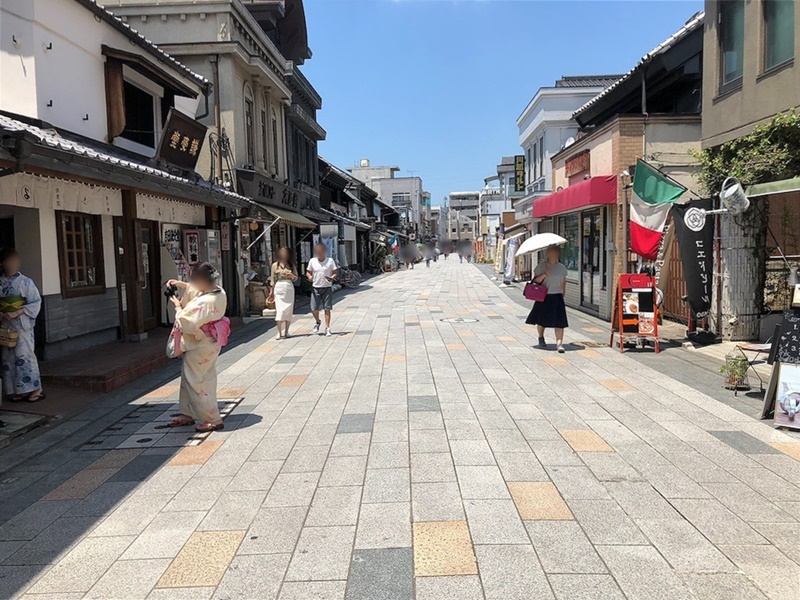
One of the distinct areas of "Little Edo" is Taisho Roman Yume-dori. At first, I wasn't sure if I was in the right place because there isn't a massive landmark at the entrance, but the retro signs and the change in atmosphere soon confirmed it.
The hallmark of this street is the elegant blend of vintage buildings and beautiful stone pavements. I saw many visitors strolling in traditional kimonos, which perfectly complements the retro-chic vibe. It’s the kind of place that makes you think, "Next time, I definitely want to wear a kimono too!"
What's truly impressive is that these buildings from the Taisho era (1912–1926) are still active shops today. Seeing a historic district of this scale preserved and thriving as a living community is truly remarkable.
For fans of Demon Slayer (Kimetsu no Yaiba), which is set in the Taisho era, walking here feels like stepping directly into that world. It was fun to imagine the characters walking these very same streets.
At the end of the street, you'll encounter the Kawagoe Chamber of Commerce. The atmosphere shifts instantly from "Japanese modern" to "Western classical," with its Greek temple-like pillars. It's an imposing, majestic sight that serves as a grand finale to this section of the walk.
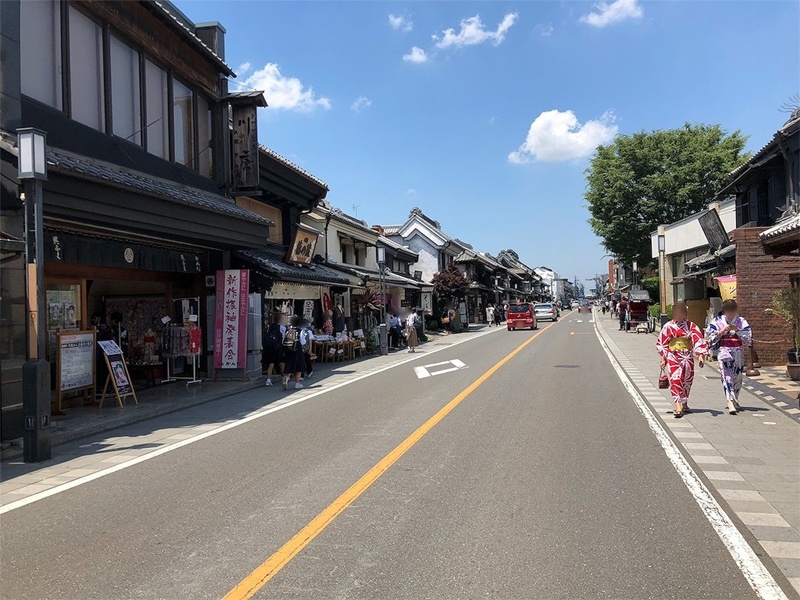
Next is the iconic Kurazukuri (Warehouse District). Like Taisho Roman street, this is a public road, but since it's a main thoroughfare, the car traffic is quite heavy.
The sight of massive, clay-walled warehouse buildings lining the modern road is nothing short of spectacular. Again, I saw many people in kimonos, and the look harmonizes beautifully with the historic architecture.
Nearly all these historic buildings operate as lively shops, and watching the buzz of tourists popping in and out of the stores is an entertainment in itself. I couldn't help but think how much more immersive—like a movie set—it would feel if this were a pedestrian-only zone!
Don’t forget to explore the side alleys! You’ll find charming souvenir shops and quiet temples tucked away from the main road. For a truly luxurious "Little Edo" experience, you can also hire a rickshaw to enjoy the scenery at a leisurely, traditional pace.
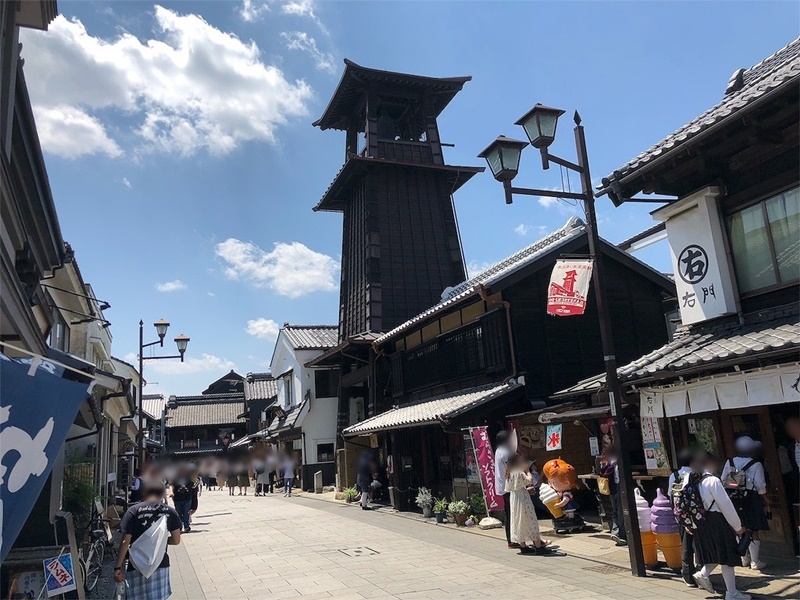
Now we arrive at Kanetsuki-dori, home to Kawagoe's most famous landmark: Toki no Kane (The Bell of Time). This street is packed with shops every bit as attractive as the main road, and the crowds here were quite enthusiastic.
The original tower is said to have been built about 400 years ago. Though it has burned down several times over the centuries, it was rebuilt each time by the locals and continues to tell the time for the city today. It still chimes four times a day (6:00 AM, 12:00 PM, 3:00 PM, and 6:00 PM)—a living symbol of Kawagoe's resilience.
If you walk under the bell tower and continue to the back, you’ll find the quiet Yakushi Shrine. It was a surprise to find such a peaceful spiritual space directly behind the bustling tower. The unique structure, where the shrine and bell tower feel like a single unit, is definitely worth a look.
Unfortunately, I missed the actual chiming of the bell this time, but that gives me a great reason to come back! I’d love to hear that historic sound echo through the streets on my next visit.
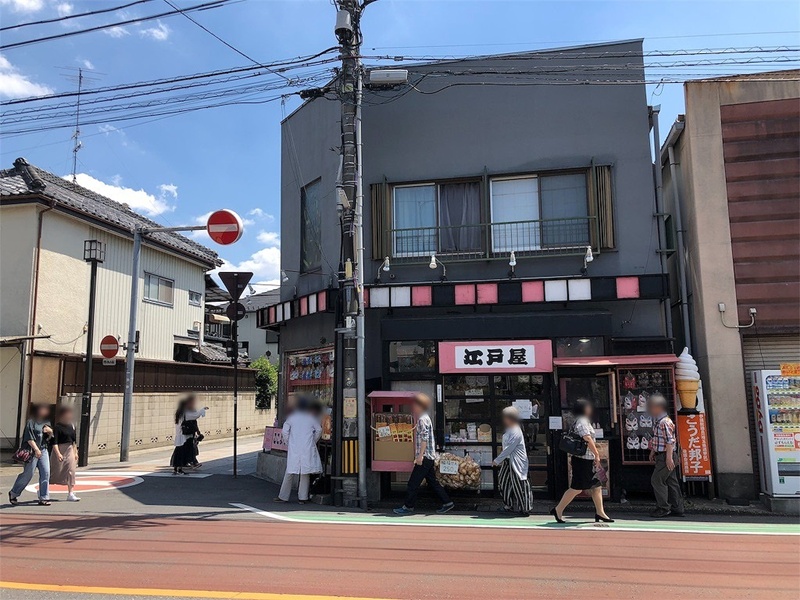
Finally, we reach Kashiya Yokocho (Candy Alley). This area features about 20 candy shops where you can enjoy nostalgic scenery while sampling handmade candies and traditional Japanese snacks.
The atmosphere here is festive, with shops selling everything from yakisoba to shaved ice. As you go deeper into the heart of the alley, it gets even more crowded with people buying "Imo-koi" buns and various retro sweets.
The most eye-catching snack is definitely the giant fugashi (brown sugar wheat gluten). They stand out from a mile away, and up close, they are so absurdly long you can't help but laugh! They reportedly hold the record for the longest in Japan.
Just looking at the old-fashioned storefronts gives you a warm, fuzzy feeling. It’s a wonderful place to wrap up your stroll.
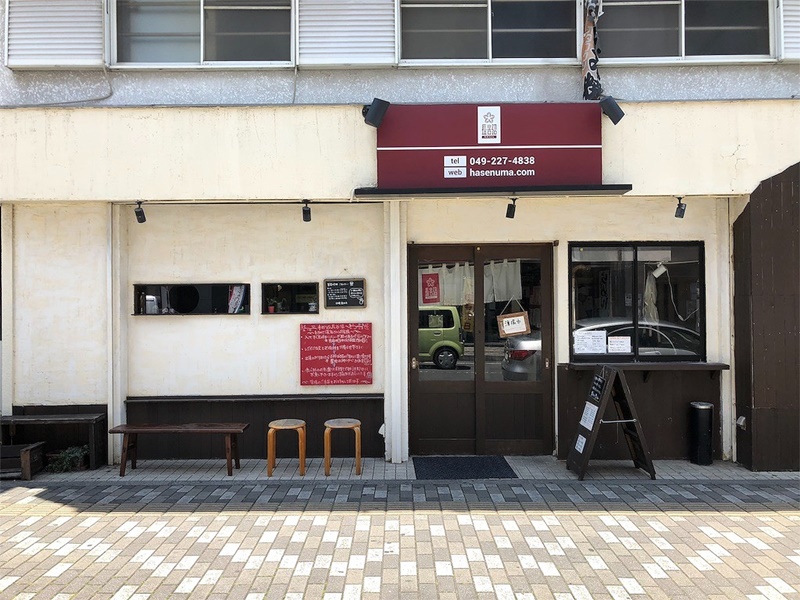
For lunch, I visited Handmade Udon Hasenuma. I arrived slightly before they opened and went in as soon as the doors were unlocked. While lines can form depending on the day, I was lucky and got in smoothly.
The interior has several table sets. The system here is "pay-first"—you place your order and settle the bill at the entrance before taking your seat to wait for your udon.
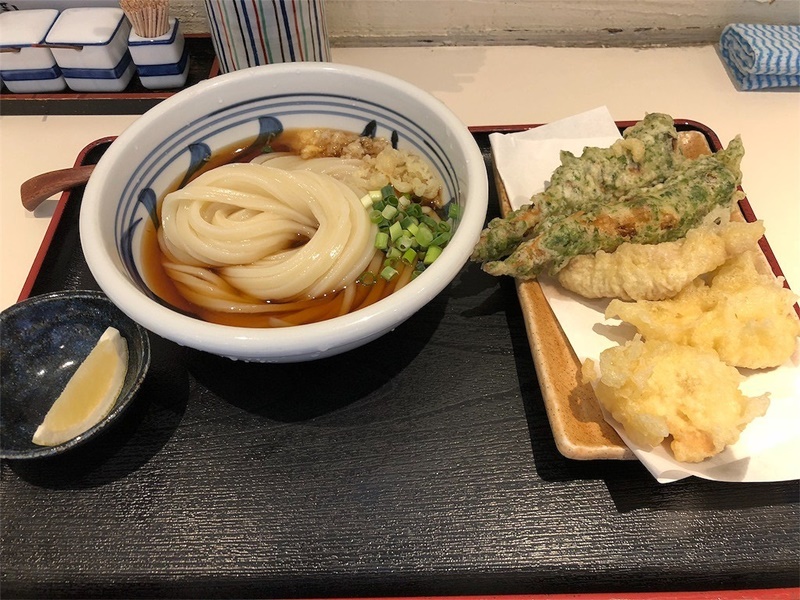
Here is the feast! I ordered the Cold Bukkake Udon with Chicken Tempura and Chikuwa (Fish cake) Isobe-age. The noodles are boiled to order and the tempura is fried fresh, so expect a bit of a wait—but it is absolutely worth it!
The udon noodles were wonderfully chewy with a great "koshi" (firmness), making them very satisfying. It felt like eating authentic Sanuki udon—simply delicious.
The freshly fried tempura was also excellent. You can eat them as-is with tempura sauce or dip them into the udon to mix the flavors. There’s a self-service counter for toppings like ginger and green onions, so you can customize your bowl to your liking!
| Item | Details |
|---|---|
| Name | Handmade Udon Hasenuma |
| Price | Zaru Udon: Starting around 700 yen (as of 2024) |
| Location | 15-15 Minamitori-machi, Kawagoe City, Saitama |
| Access | Approx. 15 min walk from Kawagoe Castle Ruins |
| Phone | 049-224-5541 |
| Highlights | A local gem offering authentic, chewy handmade udon with a deep, satisfying flavor. |

The udon at Hase-numa was so smooth and delicious! It’s really close to the style you find in Kagawa (Sanuki). A perfect energy boost! ☆
100 Fine Castles Stamp & Access Info
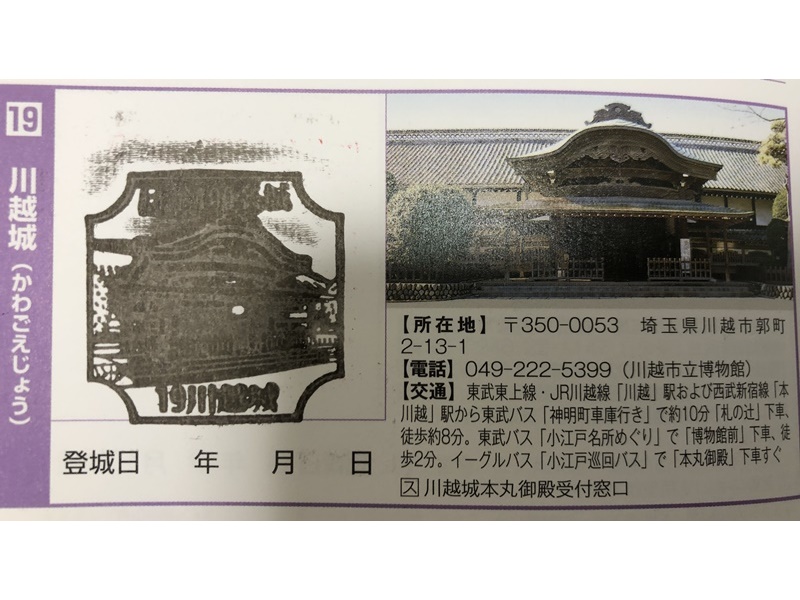
| Item | Details |
|---|---|
| Location | Kawagoe Castle Honmaru Goten Palace |
| Hours | 9:00 AM – 5:00 PM (Last entry at 4:30 PM) |
| Closed | Mondays, days following national holidays, 4th Fridays, and Dec 29 – Jan 3. |
| Phone | 049-222-5399 |
| Admission | Honmaru Goten: 100 yen for adults. Free for Junior High students and under, visitors with disabilities, and seniors (65+). |
| Note | When the palace is closed, the stamp can be found at the Hatsukari Park Rest Area. |
| Item | Details |
|---|---|
| Address | 2-13-1 Kuruwamachi, Kawagoe City, Saitama |
| By Train | From Kawagoe Station (JR/Tobu Tojo) or Hon-Kawagoe Station (Seibu Shinjuku), take a bus to "Fuda-no-Tsuji" and walk approx. 8 mins. |
| By Loop Bus | The "Koedo Loop Bus" is convenient! Get off at "Fuda-no-Tsuji" or "Museum-mae." |
| Parking | Several paid municipal parking lots are available near the Honmaru Goten Palace. |
| Phone | 049-222-5399 (Kawagoe City Museum / Honmaru Goten) |
| Time Needed | Approx. 30–45 mins for the castle. We recommend allocating 1+ hour to include a stroll through the Kurazukuri district. |

Kawagoe Castle is in the middle of a developed urban area, so you can visit in any attire or shoes. However, the distance between spots like the Naka-no-mon gate and the Honmaru Goten is quite long, so I definitely recommend using a rental cycle or bus to get around!
Summary
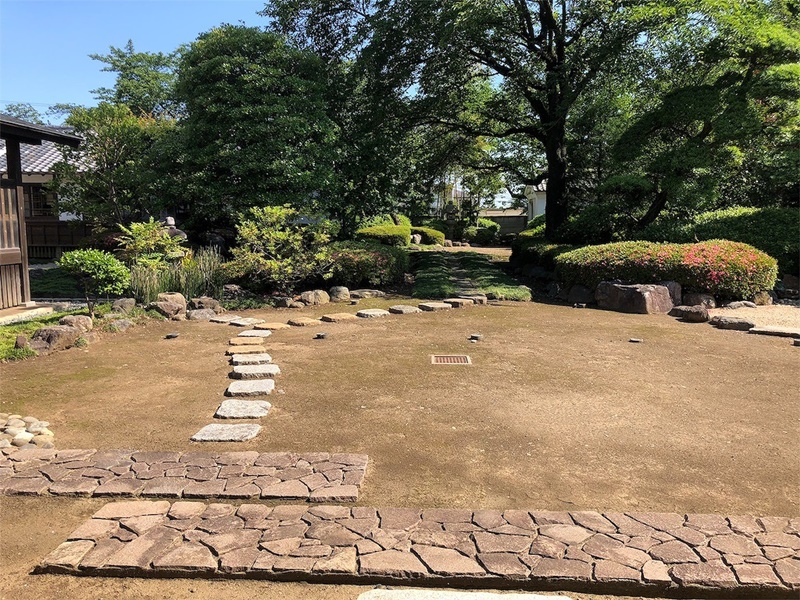
The photo above captures the garden viewed from the "engawa" (veranda) of the Honmaru Goten. I noticed many visitors taking a moment to rest there, so I decided to join them for a bit. Listening to the gentle wind rustling the leaves while sitting on the old wooden floor was a moment of pure, centered peace.
As for Kawagoe Castle itself, the Honmaru Goten Palace is undoubtedly the star of the show. This rare survivor perfectly preserves the elegance of "Little Edo." Beyond the atmospheric architecture, the various exhibits inside are deeply engaging. I highly recommend setting aside plenty of time to explore the palace interior at a leisurely pace.
The area surrounding the castle is equally captivating, featuring the famous Kurazukuri warehouse district, the iconic Toki no Kane (Bell of Time), and the nostalgic Taisho Roman Yume-dori. With an abundance of local delicacies like handmade udon and sweet potato treats, this area offers a perfect trifecta of history, culture, and gourmet delights. Please come and enjoy a slow stroll through the charming streets of Kawagoe!
The Honmaru Goten had such incredible dignity—it was a real privilege to see. As a "castle hunter," seeing that completed 100 Castles stamp book on display really fired me up! I want to fill mine up just as fast! ♪
The neighborhood was just as impressive. You can really feel the historical depth that earned it the name "Little Edo." The way the Bell of Time towers over the town is an image that’s definitely going to stick with me!
I know, right? It has such a grand presence. By the way, Kawagoe is also super famous for its eel (unagi)! We focused on street food this time, but next visit, I am definitely getting a full eel feast! ☆
Hehe, save the eel for next time! It was wonderful to see the town so full of life, with students and so many people in kimonos. If you're going to walk through "Little Edo," wearing a kimono is really the best way to soak up the atmosphere, don't you think?
Totally! And I'd love to try a rickshaw ride next time too ♪ For those following the list, the neighboring castles are No. 18 Hachigata Castle and No. 20 Sakura Castle. Take a look if you have the chance! ♪
▼ Explore Castles in Kanto & Koshinetsu
Kanto Area
14. Mito Castle /
15. Ashikaga Residence /
16. Minowa Castle /
17. Kanayama Castle /
18. Hachigata Castle /
19. Kawagoe Castle /
20. Sakura Castle /
21. Edo Castle /
22. Hachioji Castle /
23. Odawara Castle /
Koshinetsu Area
24. Takeda Residence /
25. Kofu Castle /
26. Matsushiro Castle /
27. Ueda Castle /
28. Komoro Castle /
29. Matsumoto Castle /
30. Takato Castle /
31. Shibata Castle /
32. Kasugayama Castle


