

Hello! I'm Sakura, the Castle Maiden, and I'll be your guide to Bannaji Temple today. I'm excited to show you around this historic site and share some great local spots. Let's explore together! ♪

Did you know that Bannaji Temple and the "Ashikaga Residence" are actually the exact same place? It’s officially registered in Japan's Top 100 Castles as the Ashikaga Residence, but everyone knows it best as Bannaji Temple. So, we'll be calling it Bannaji in this guide!
Basic Information
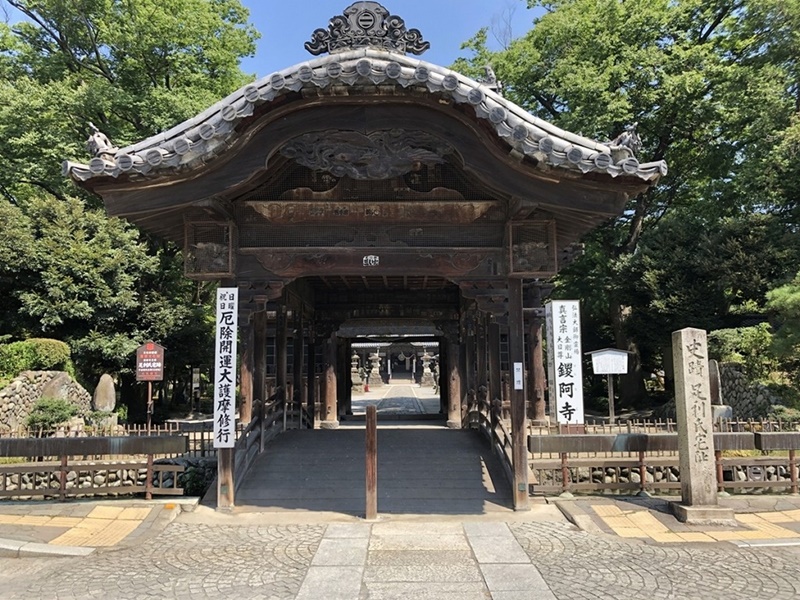
The Ashikaga Residence is a temple built on the ruins of a fortified manor established in the early Kamakura period by Ashikaga Yoshikane, the founder of the prestigious Ashikaga clan. It is famously known as the ancestral home of Ashikaga Takauji, the very first Shogun of the Muromachi Shogunate. Interestingly, the temple is structured exactly like a medieval castle! The grounds form an almost perfect square covering about 40,000 square meters, protected by gates on all four sides and completely surrounded by sturdy earthen walls and water moats.
Known primarily as "Bannaji Temple," it serves as the head temple of the Shingon sect's Dainichi branch, a tradition continuing since the Kamakura period. Today, its magnificent Main Hall (Hondo) is officially designated as a National Treasure of Japan.
| Era | Event | Lord / Key Figure |
|---|---|---|
| Early Kamakura Period | Ashikaga Yoshikane built the manor, fortifying it with water moats and earthen walls. | Ashikaga Yoshikane (Founder of the clan) |
| Muromachi Period | Believed to be the birthplace of Ashikaga Takauji, serving as the clan's stronghold. | The Ashikaga Clan |
| Kamakura to Present | Preserved as Bannaji Temple, passing down the local faith and rich history. | ― |
The Ashikaga Residence is proudly selected as No. 15 on Japan's Top 100 Castles list! As the ancestral home of the Muromachi Shogunate, it’s an incredibly precious and fascinating historical spot! ♪
About the Castle
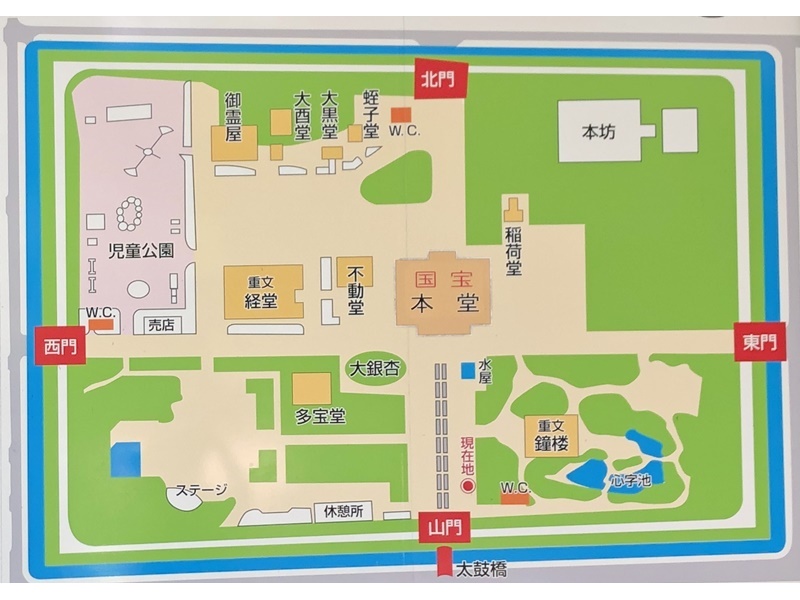
The Ashikaga Residence is a "Hirajiro" (flatland castle) located in Ashikaga City, Tochigi Prefecture. It is one of Japan's most representative examples of a samurai manor built on perfectly flat ground.
The first lord to reside here was Minamoto no Yoshiyasu, who lived from 1127 to 1157 during the late Heian period. As the second son of Minamoto no Yoshikuni, he inherited the Ashikaga Manor in Shimotsuke Province and officially adopted the name "Ashikaga." He was also highly connected, marrying the niece of the mother of Minamoto no Yoritomo (who would later found the Kamakura Shogunate).
Yoshiyasu was a formidable warrior who fought alongside legendary figures like Taira no Kiyomori in the Hogen Rebellion. He even earned the profound trust of Cloistered Emperor Toba, who named him one of his five most trusted samurai! Sadly, despite his incredible potential, his exploits are rarely mentioned in historical war chronicles. He passed away from illness at the young age of 31, leaving behind a lingering sense of great ambitions tragically cut short.
However, his legacy lived on. Yoshiyasu became the founding father of the Ashikaga clan. When you hear "Ashikaga," the most famous figure is Ashikaga Takauji, who later established the powerful Muromachi Shogunate. In short, Yoshiyasu was Takauji's ancestor and the visionary founder of the dynasty that would eventually rule Japan!
Ashikaga Takauji is famous as the first Shogun of the Muromachi period. The prestigious title of "Sei-i Taishogun" (Great General) was actually a system he inherited from Kamakura-era leaders like Minamoto no Yoritomo. Interestingly, by establishing his new shogunate, Takauji is sometimes said to have planted the early seeds that eventually led to the chaotic Sengoku (Warring States) period!
Walking Around Bannaji Temple
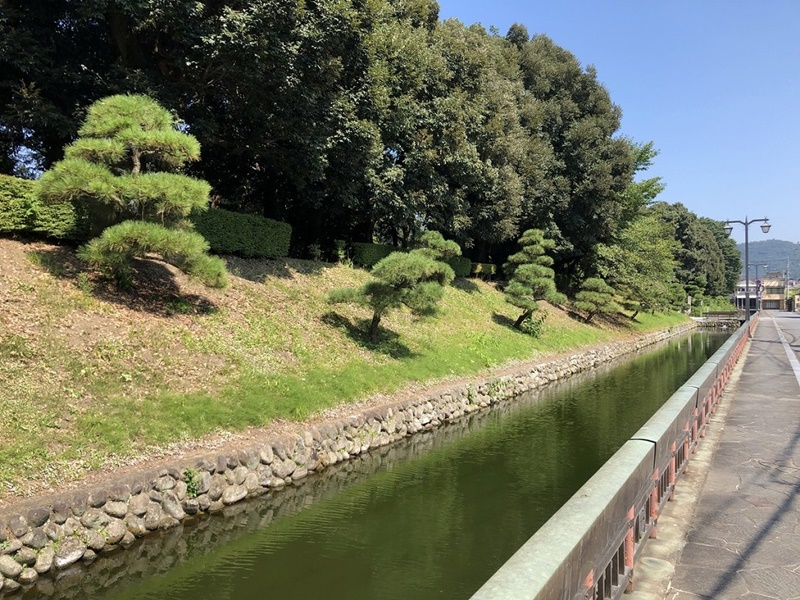
This is the water moat at the entrance. Even though Bannaji is a temple, it is completely surrounded by a moat and earthen embankments, giving it the distinct atmosphere of a fortified castle or manor.
It’s fascinating to see such strong defensive features on a temple. It truly lives up to its name as the historic residence of the prestigious Ashikaga samurai clan. I could really feel the echoes of the Warring States period here.
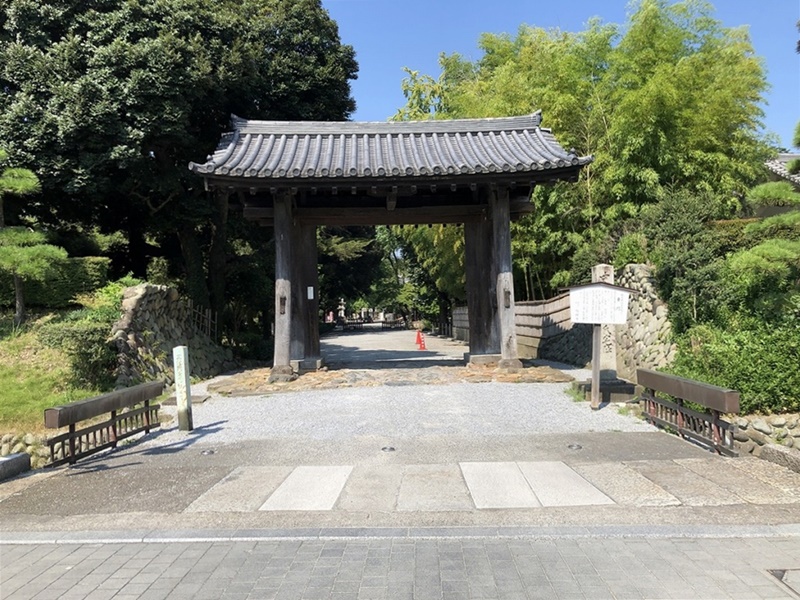
This is the East Gate. I crossed the bridge here to enter the grounds.
I parked my car at the Taiheiki-kan (Tourist Parking Lot) first, and this East Gate was the most convenient entrance from there.
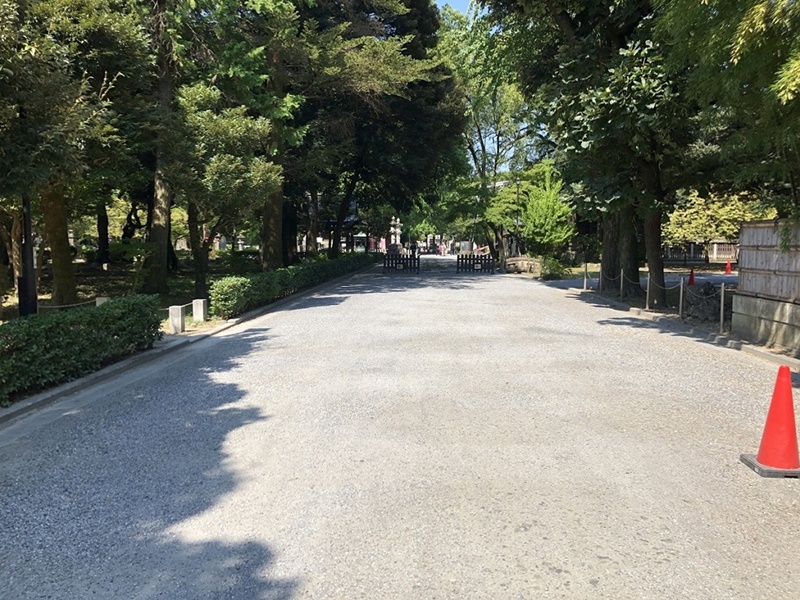
The spacious temple grounds! It’s not overwhelmingly large, making it the perfect size for a relaxing stroll.
The gravel paths are incredibly quiet and calming. With precious buildings preserving Kamakura-period architectural styles, the atmosphere here is heavy with profound history.
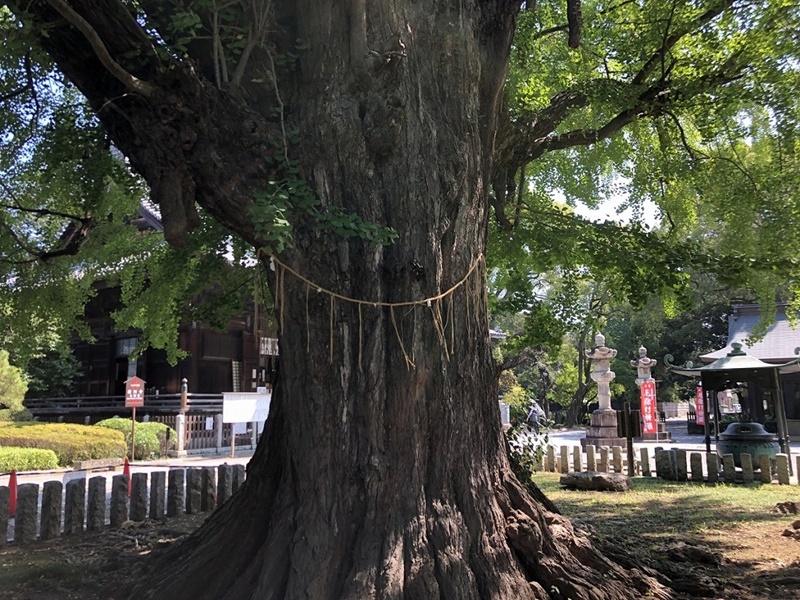
This is the Giant Ginkgo Tree, a designated Natural Monument. It is said to be around 650 years old! Its towering presence is absolutely magnificent.
The leaves were green during my visit, but I’m told that during the autumn foliage season in November, the entire tree turns a brilliant golden yellow, creating a breathtaking sight.
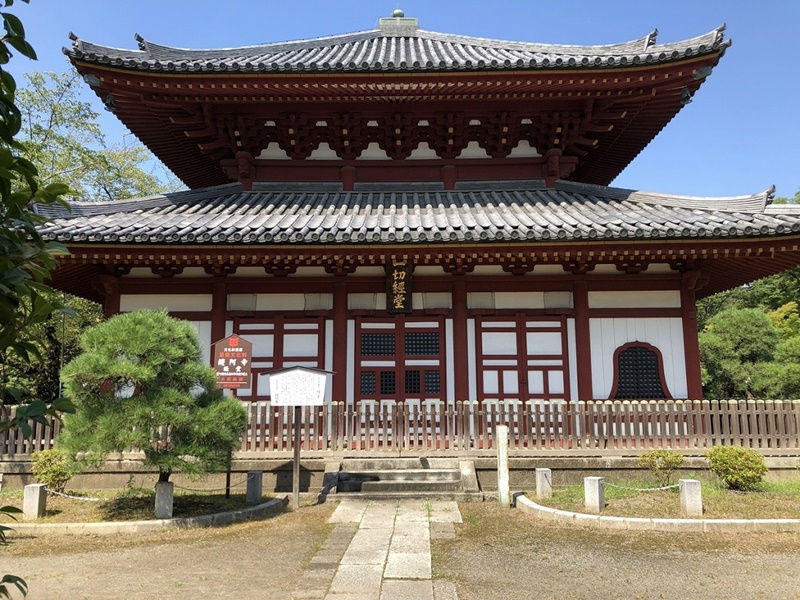
The Issaikyo Hall. This building houses Buddhist scriptures and is designated as a National Important Cultural Property.
The vibrant vermilion-lacquered exterior is truly striking.
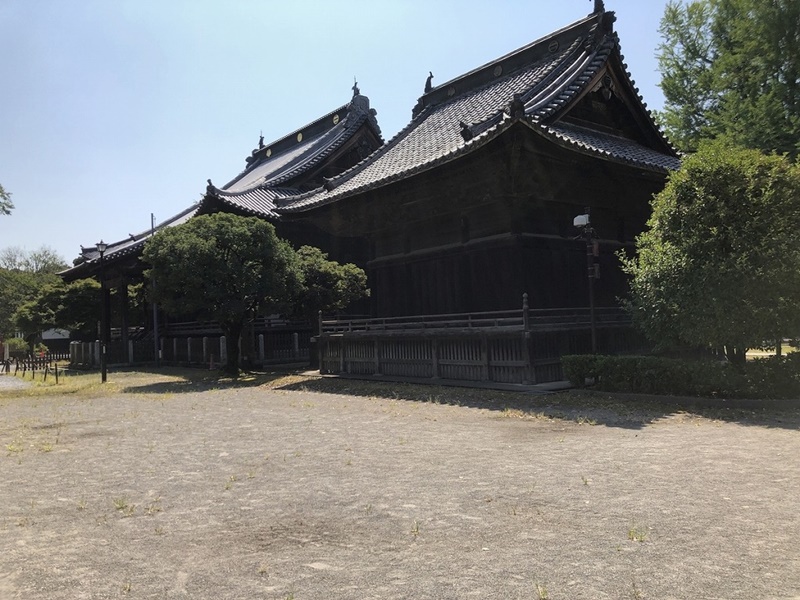
Just behind the Issaikyo Hall, another eye-catching structure came into view.
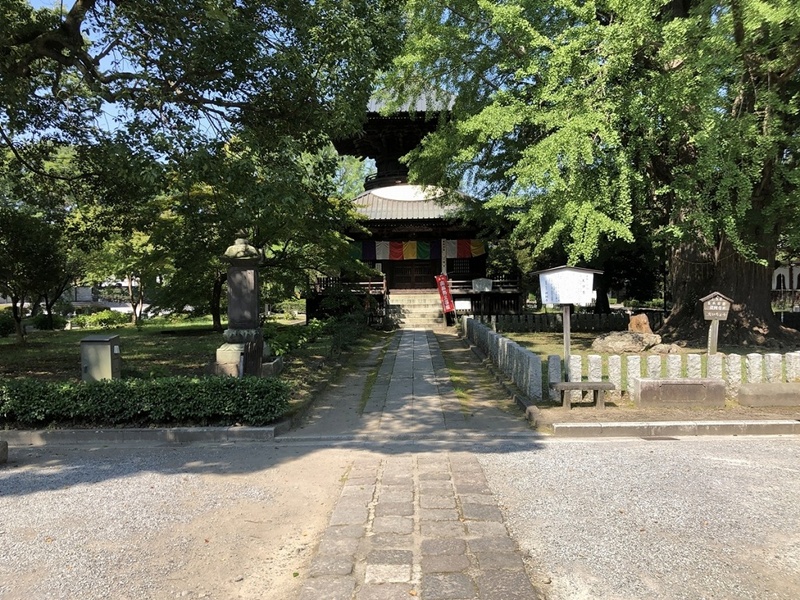
This is the Tahoto Pagoda. Originally built by Ashikaga Yoshikane in the Kamakura period, the current structure is said to have been rebuilt during the Edo period by Keishoin, the mother of Tokugawa Tsunayoshi (the 5th Shogun).
Unfortunately, you can't go inside, but it is said to enshrine the principal image of Dainichi Nyorai (Mahavairocana) alongside a statue of Keishoin herself.
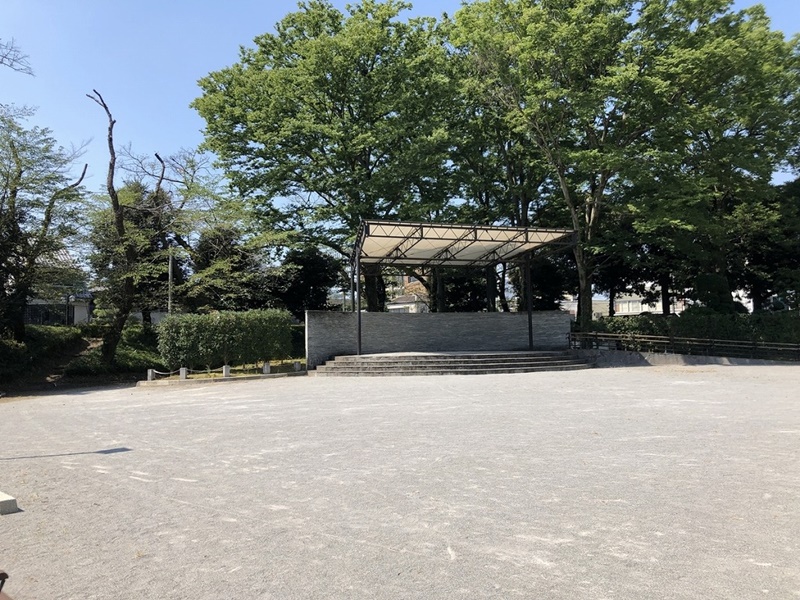
The site of the Ashikaga Private Residence. Today, it’s an open plaza with no remaining buildings, but an informational signboard marks the exact location where their manor once stood.
The clear division between the sacred temple area and the daily living (private residence) area within the same grounds is a fascinating testament to its origins as a samurai estate.
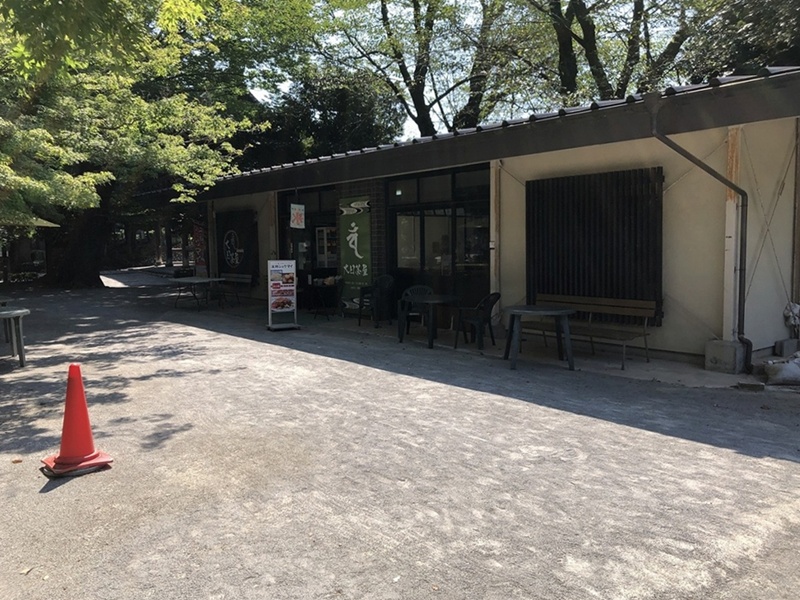
This is Dainichi Chaya, a quaint, retro snack shop inside the temple grounds. I just looked around this time, but they sell local Ashikaga specialties like "Yakisoba with Potatoes," "Ashikaga Shumai," and "Obanyaki" (sweet stuffed pancakes).
Exploring castles involves a lot of walking, especially on hot days, so I highly recommend taking a break at charming little shops like this one.
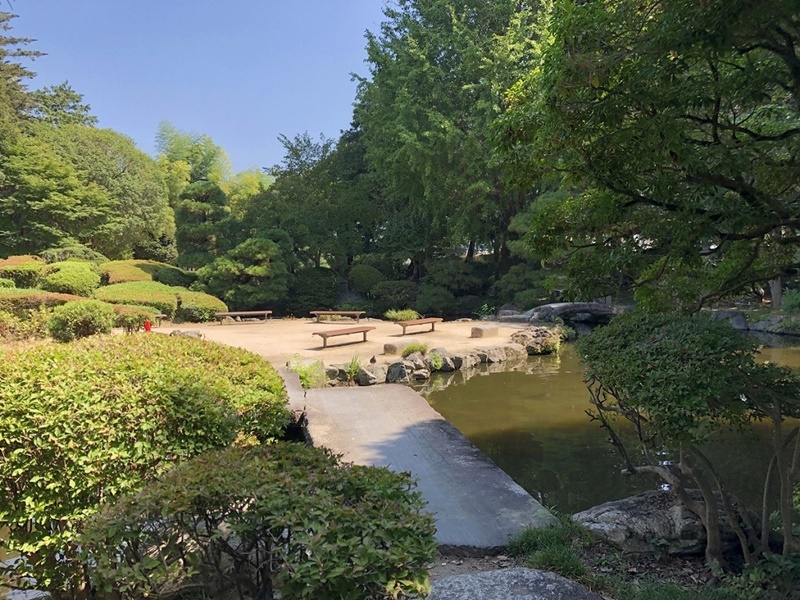
The Japanese Garden. Beyond its historic buildings, Bannaji’s elegant garden is definitely a highlight.
It’s so interesting how Bannaji harmoniously blends the fierce remnants of a samurai residence (like moats and earthen walls) with the graceful serenity of a temple garden.
There weren’t many people when I visited, so I was able to relax and enjoy the quiet, beautiful scenery all to myself.
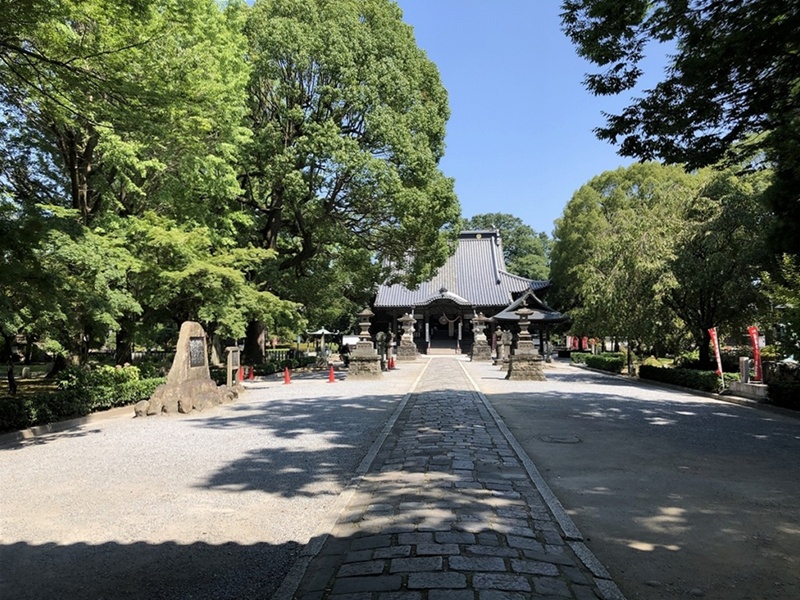
The view the moment you step through the Main Gate (Sanmon). You can see the grand Main Hall sitting majestically at the very end of the straight approach.
This perfectly straight-line composition creates a uniquely powerful and sacred atmosphere.
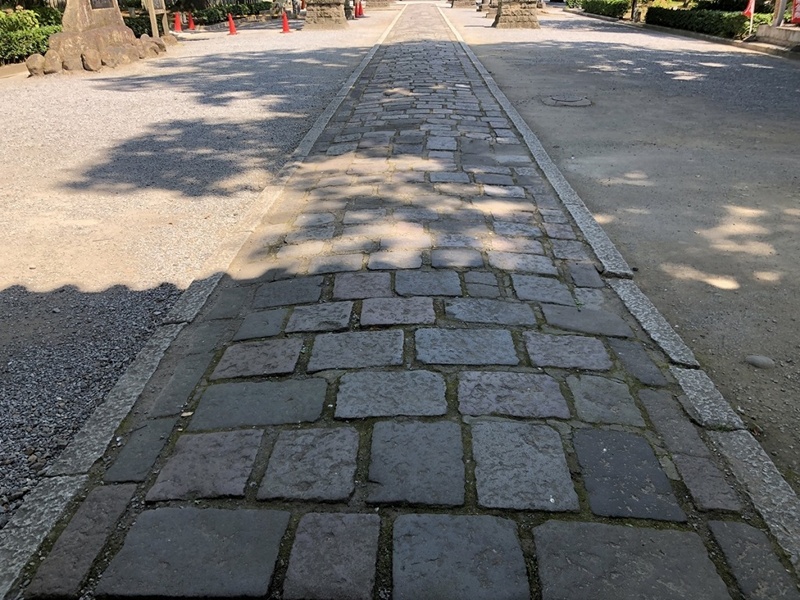
A long stone-paved path leads directly to the Main Hall.
Actually, this straight-line layout from the gate to the inner sanctum perfectly preserves the characteristic design of Kamakura-period samurai residences. Personally, I absolutely love this quiet, history-filled approach lined with ancient trees.
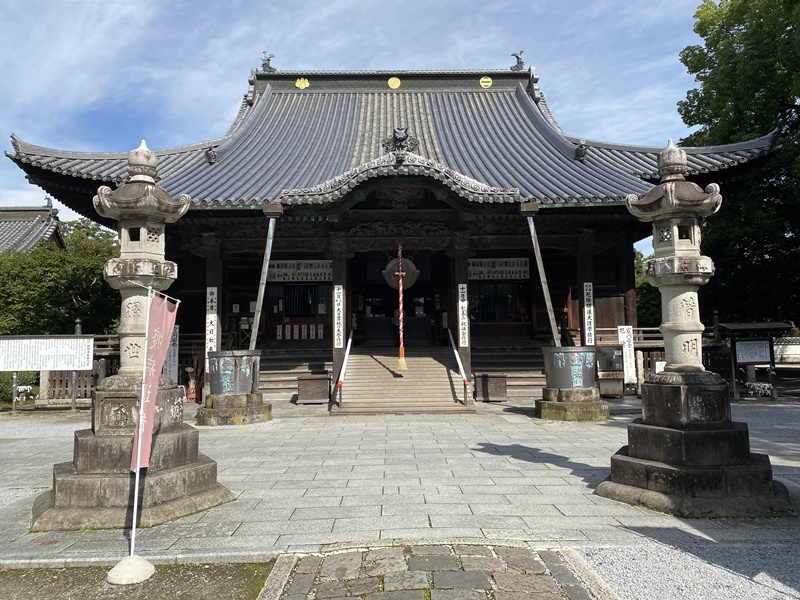
This is the symbol of Bannaji Temple: the Main Hall (Hondo). Designated as a National Treasure, this very building was reconstructed in the Kamakura period (1299) and has survived intact ever since.
Standing close to it, you can truly feel the sheer weight and awe-inspiring power of history that has weathered the centuries. I walked up the steps to offer a prayer. Being able to physically touch and pray at a National Treasure makes it feel like you might receive some extra special blessings!
If you do the math, this Main Hall was already standing when Ashikaga Takauji was born. That means a young Takauji undoubtedly visited this exact building to pray. When you think about that, isn't it an absolutely incredible place?
Exploring the Surrounding Area
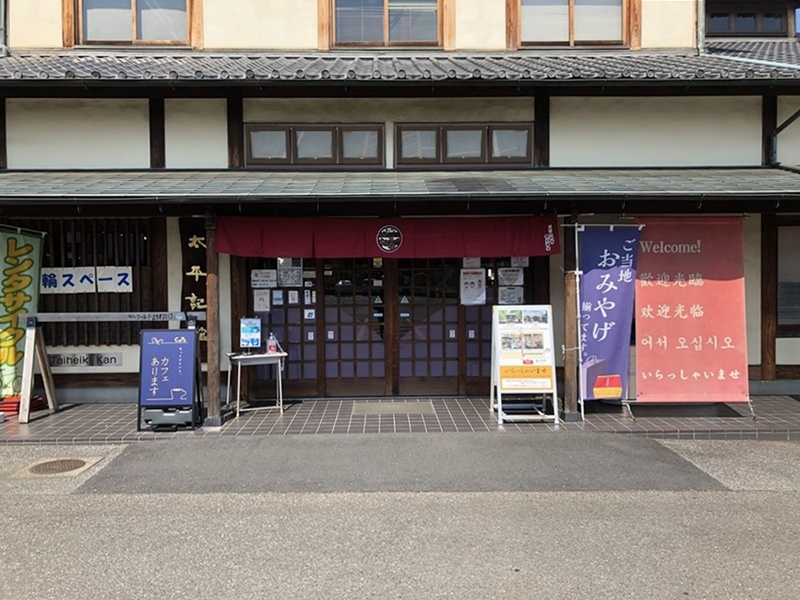
This is the Taiheiki-kan. It serves as a tourist information center with free parking, conveniently located just across the street from both Bannaji Temple and the Ashikaga School.
Because of its incredibly convenient location, I highly recommend making this your base camp if you're exploring Bannaji and the Ashikaga School by car.
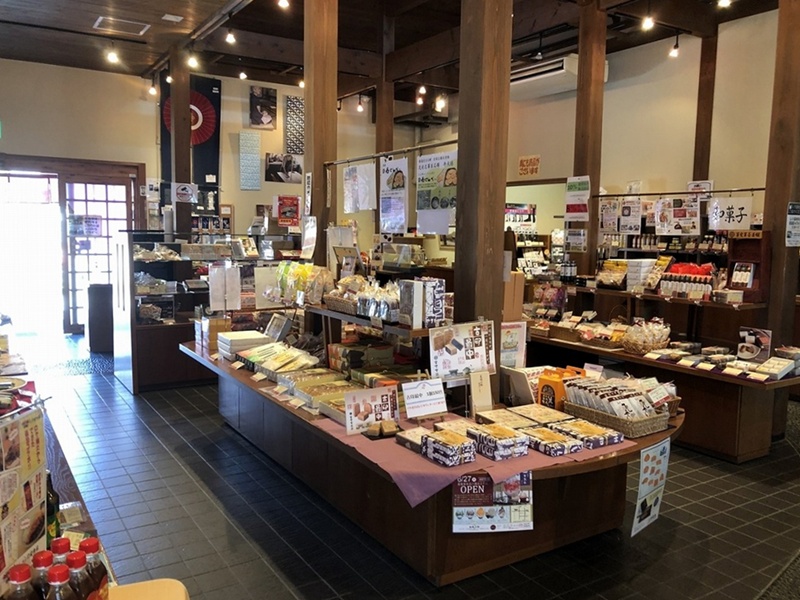
Inside the Taiheiki-kan, you'll find a cafe, a souvenir corner, and a tourist information exhibit. Among the displays is a magnificent set of samurai armor connected to the Ashikaga clan—seeing it up close is really impressive!
Ashikaga City is also famous as a filming location for various movies and dramas, including the hit Japanese movie "Kyo Kara Ore Wa!!". There are pop displays inside, making it a popular pilgrimage spot for fans!
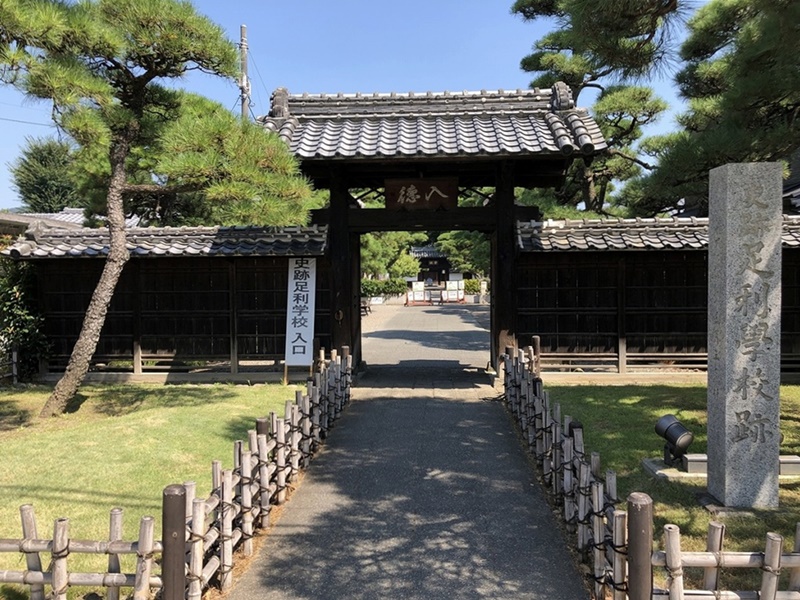
This is the Ashikaga School (Ashikaga Gakko), renowned as Japan's oldest academic institution. It is located right next to Bannaji Temple, just a short walk from the Taiheiki-kan.
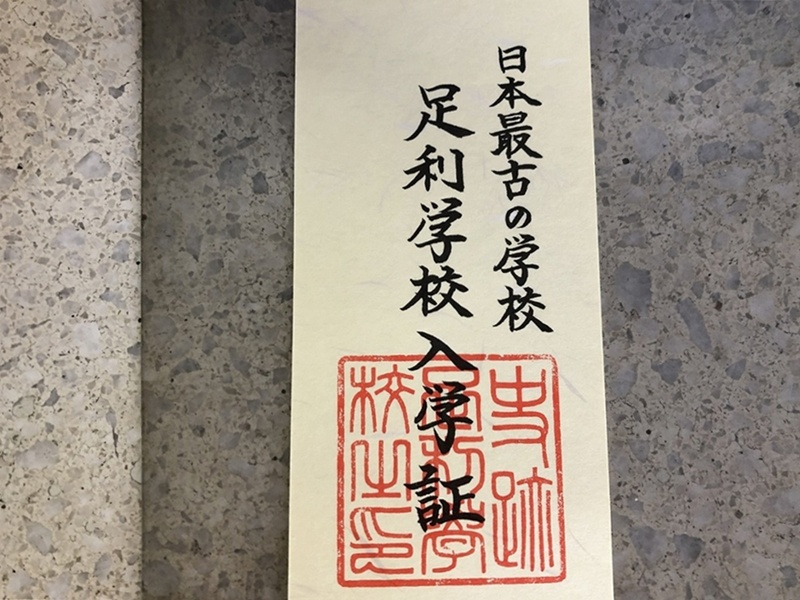
When you pay the admission fee, you receive an "Admission Certificate" as your ticket. It’s not just a flimsy piece of paper, but a beautifully crafted, authentic-looking document!
It playfully makes you feel like you've actually enrolled in Japan's oldest university. I personally love these little touches! It also makes for a fantastic souvenir to take home.
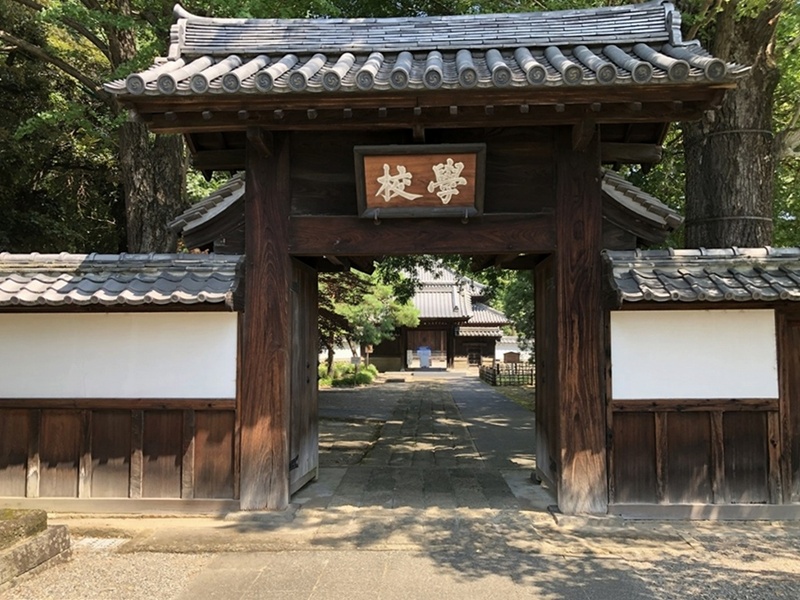
Here we enter the school grounds. This gate is called the Gakko-mon (School Gate), and it is said to be the only gate in Japan to bear a plaque simply reading "School" (学校).
Passed down since the Edo period, this historic gate exudes the dignified prestige of Japan's oldest university. It's a very popular spot for commemorative photos!
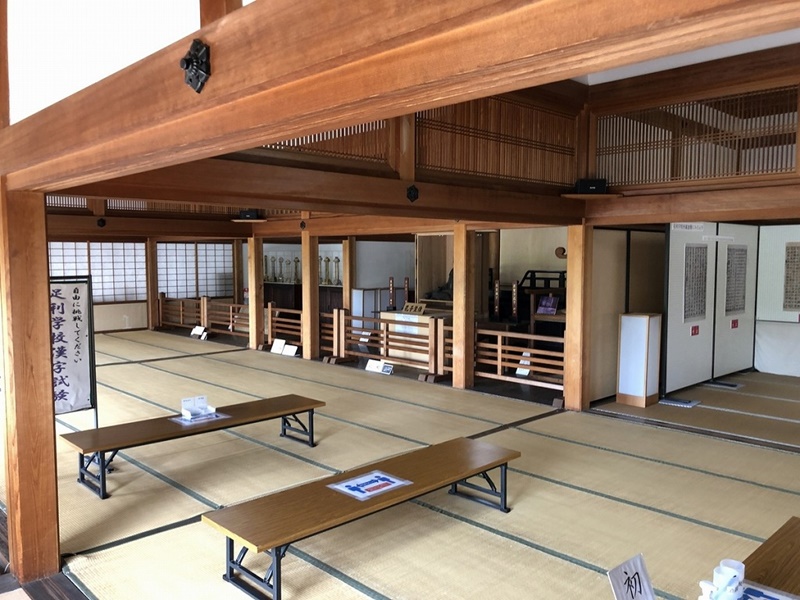
This is inside the Hojo, the central building of the Ashikaga School. It is a splendid traditional Japanese building with a thatched roof, offering a deeply calming atmosphere.
This grand hall was once used for student lectures and examinations. It’s deeply moving to imagine the countless scholars who studied here before going out into the world.
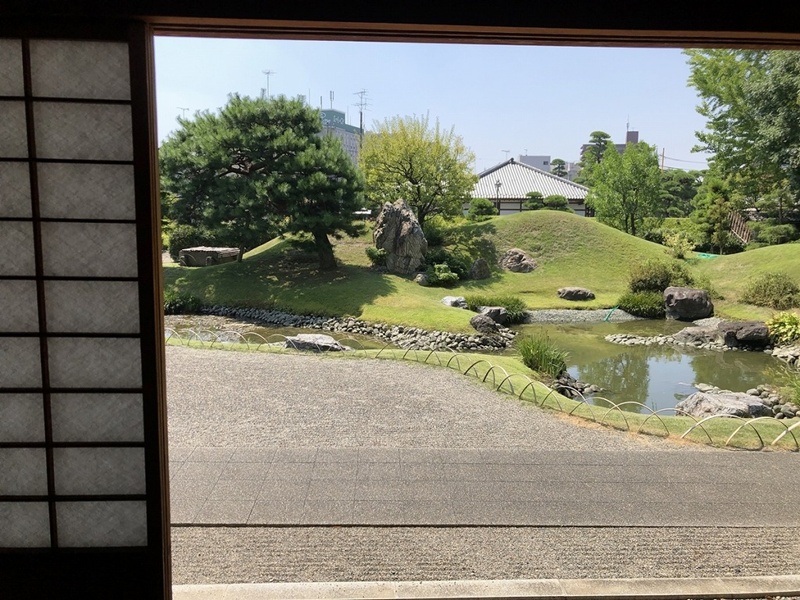
The garden view from the main hall. While I was looking out, craftsmen were carefully tending to the landscape.
The fact that this centuries-old scenery is still so perfectly preserved is all thanks to the dedicated people who maintain it every day. Gazing at the beautiful view filled me with a profound sense of gratitude.
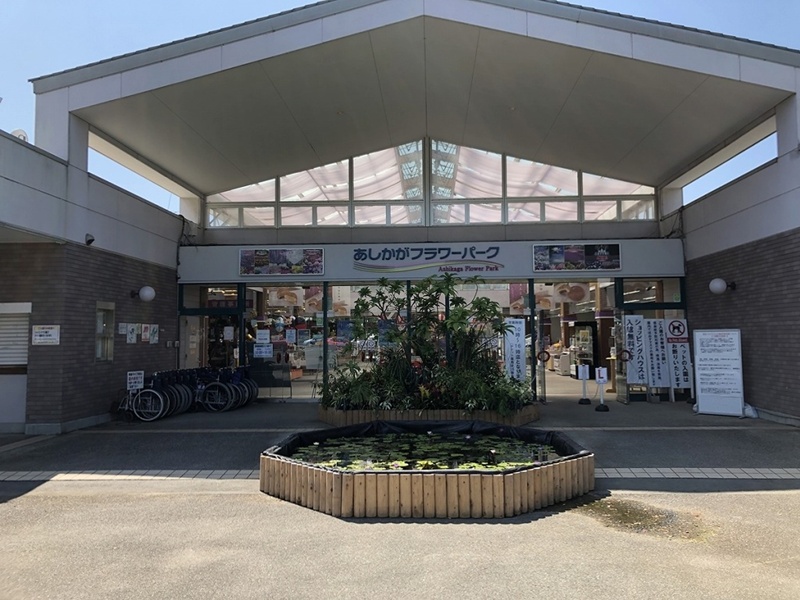
Next up is the Ashikaga Flower Park, renowned across the country for hosting one of Japan's Top 3 Illuminations.
Although I visited outside the illumination season, this place is a true floral paradise where you can enjoy breathtaking blooms all year round.
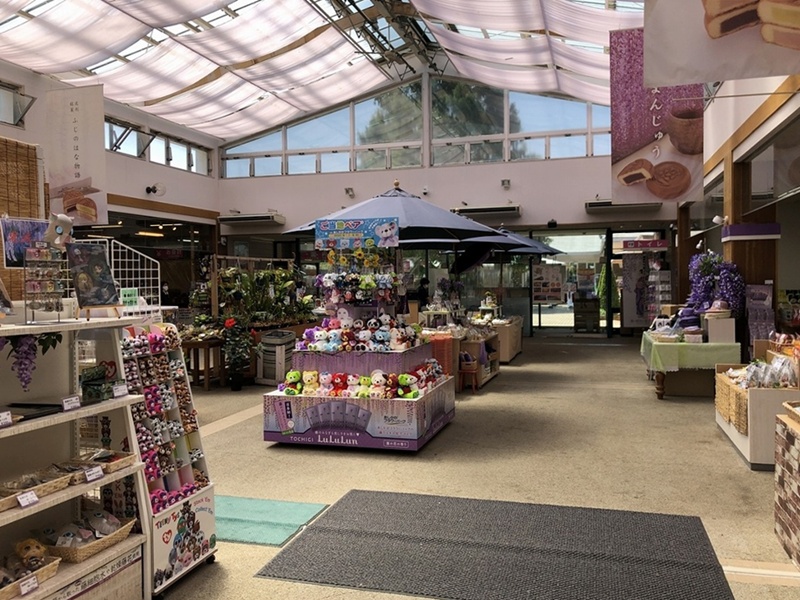
As you enter the main gate, you are greeted by a large souvenir shop, followed by the ticket counters.
Fascinatingly, this park uses a dynamic pricing system—the admission fee fluctuates daily depending on the blooming conditions of the flowers! While prices are higher when the flowers are at their peak, it essentially acts as a guarantee that you are about to see an absolutely spectacular view. It's a very clever system!
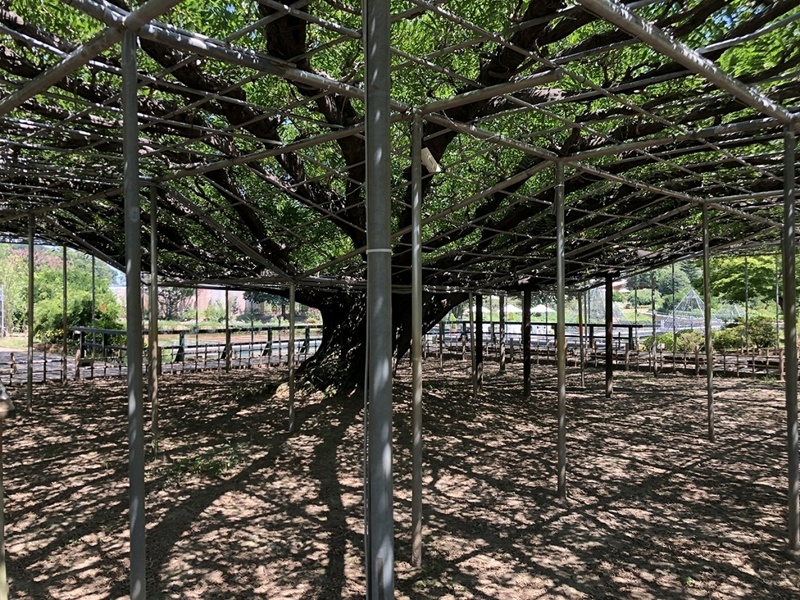
The Great Wisteria (Ofuji), the undisputed symbol of the park. Even though it was before the blooming season, the massive wisteria trellis spreading overhead was a breathtaking sight. The thickness of its trunk radiates intense vitality, commanding an overwhelming presence in the park.
I can only imagine how magical it must look when in full bloom and illuminated at night. I definitely want to return during its peak season!
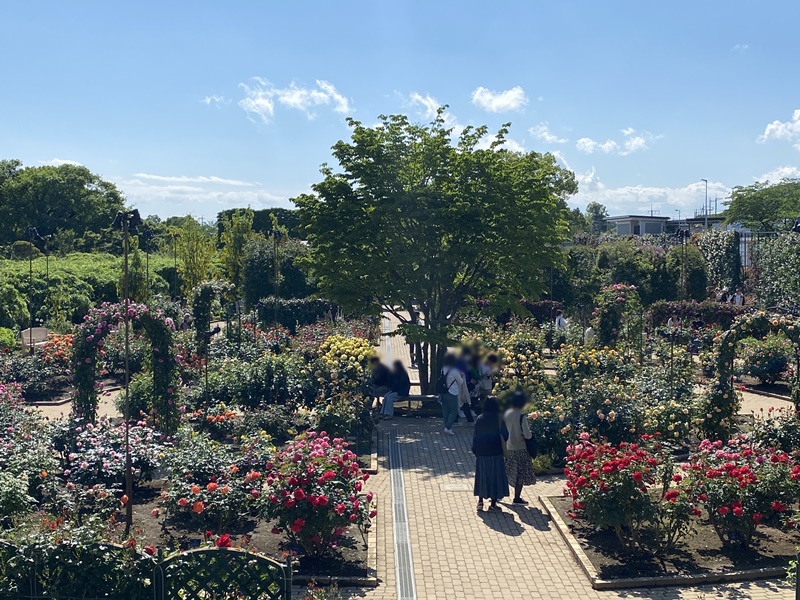
The Rose Garden. I visited right when it was in peak bloom, and the sheer scale of the blossoming roses was incredible.
Roses truly deserve their title as the "Queens of Flowers"—I was completely mesmerized by their gorgeous elegance.
The entire park was enveloped in their sweet fragrance, making it a wonderfully relaxing and refreshing stroll through nature.
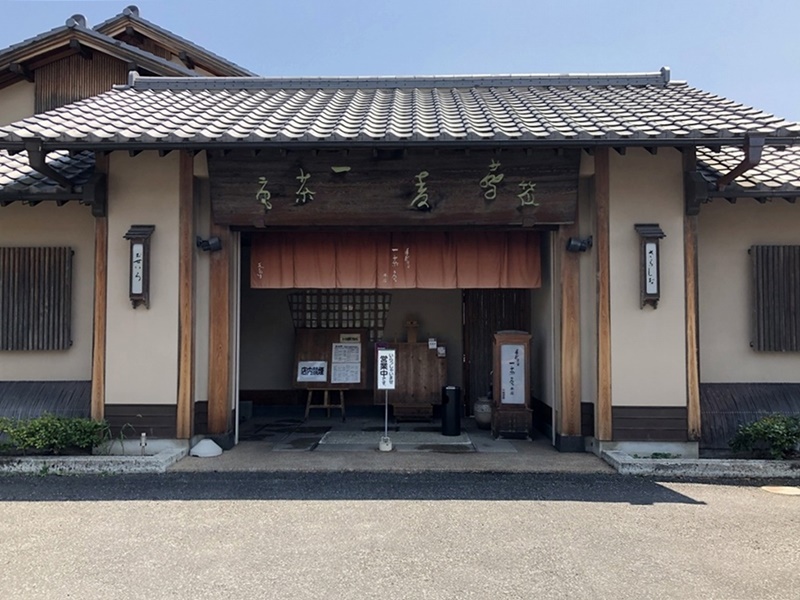
This is Issa-an Honten. It is famously known among Soba enthusiasts as the legendary pioneer that shaped modern Soba culture in Japan.
Even on this day, people were flocking to the restaurant right as it opened. Though the interior is spacious with plenty of seating and private rooms, it's so popular that lines are common. The inside has a wonderfully calm, traditional Japanese aesthetic.
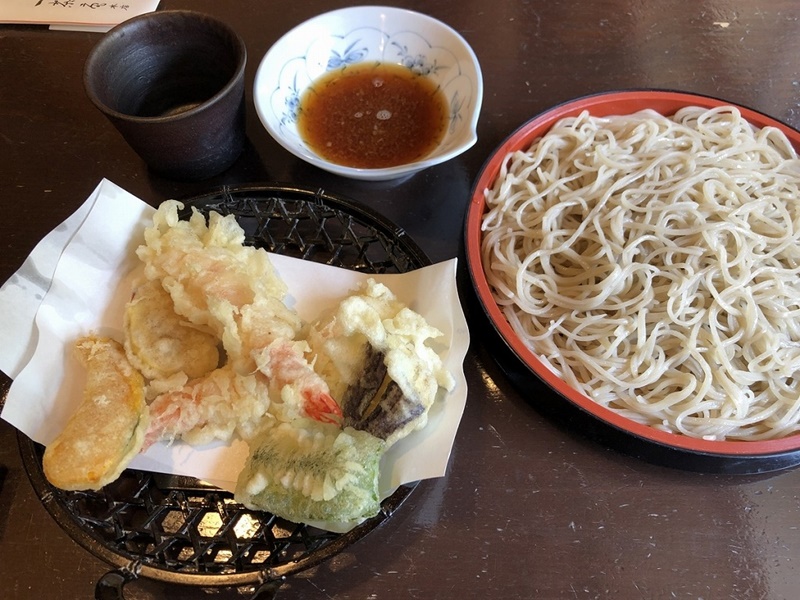
I ordered the "Ten-seiro" (cold soba with tempura). The tempura was freshly fried and incredibly crispy, perfectly highlighting the natural flavors of the ingredients—absolutely sublime!
The soba noodles were delicately thin and went down smoothly, paired with a highly refined, bonito-rich dipping sauce (soba-tsuyu). I felt like I could eat endless bowls of it! I noticed many locals ordering their famous "Sanshoku Soba" (Three-color Soba), so I definitely want to try that next time!
| Item | Details |
|---|---|
| Name | Issa-an Honten (Soba Restaurant) |
| Price | Ten-seiro: 1,550 yen (as of 2024) |
| Location | 862-11 Yanagiharacho, Ashikaga City, Tochigi |
| Access | 15 min walk from JR Ashikaga Station / 20 min walk from Tobu Ashikagashi Station |
| Phone | 0284-41-3882 |
| Highlights | Founded in 1926 (Taisho 15), this is a premier destination for handmade soba. Famous for its "Kawari-soba" (unique variations like poppy seed or green tea soba). Highly popular among locals, so expect lines at lunch. The "Sanshoku Soba" and Tempura Soba are highly recommended. |

The tempura soba at Issa-an was so fragrant and absolutely delicious! The calm and traditional atmosphere was the perfect way to relax after a historical stroll! ☆
Castle Stamp & Access Guide
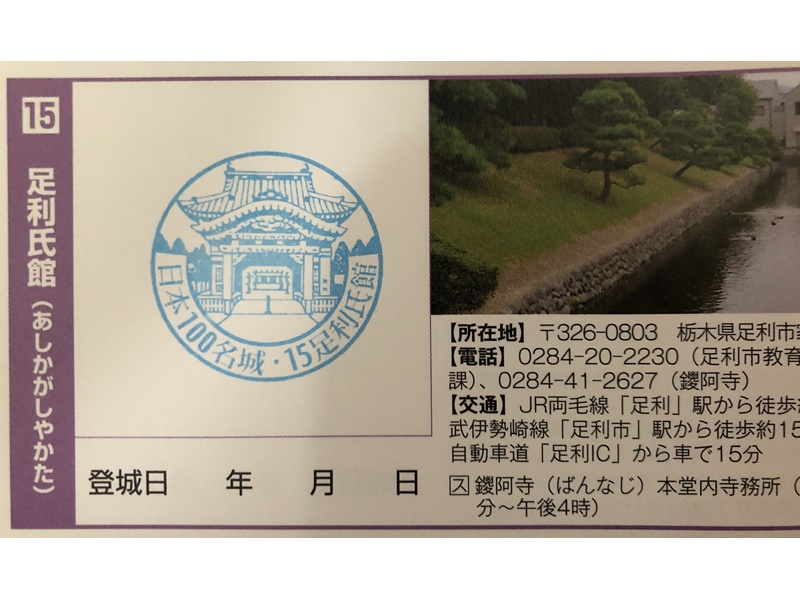
| Item | Details |
|---|---|
| Location | Temple Office (Jimusho) inside the Main Hall (Hondo) |
| Hours | 9:00 AM – 4:00 PM (During temple worship and office hours) |
| Closed | Open year-round (No holidays) |
| Phone | 0284-41-2627 |
| Fee | Free to enter and worship in the temple grounds |
| Note | The stamp is only available at this single location. |
| Item | Details |
|---|---|
| Address | 2220 Ietomicho, Ashikaga City, Tochigi (Bannaji Temple) |
| Access (Train) | Approx. 10 min walk from JR Ryomo Line "Ashikaga Station" / 15 min walk from Tobu Isesaki Line "Ashikagashi Station" |
| Access (Bus) | Local city buses are available from both Ashikaga and Ashikagashi stations. |
| Parking | Free parking is available at the Taiheiki-kan Tourist Parking Lot. Other nearby paid coin parking is also available. |
| Phone | 0284-20-2230 (Ashikaga City Cultural Affairs Division) or the Temple Office |
| Time Needed | Approx. 20–30 mins. Allow 30–40 mins if you want to carefully explore the earthen walls, moats, and temple architecture. |

Since the temple grounds and surrounding areas are entirely flat and relatively compact, you don't need to worry about special clothing or hiking shoes. Just wear whatever you find comfortable!
Summary
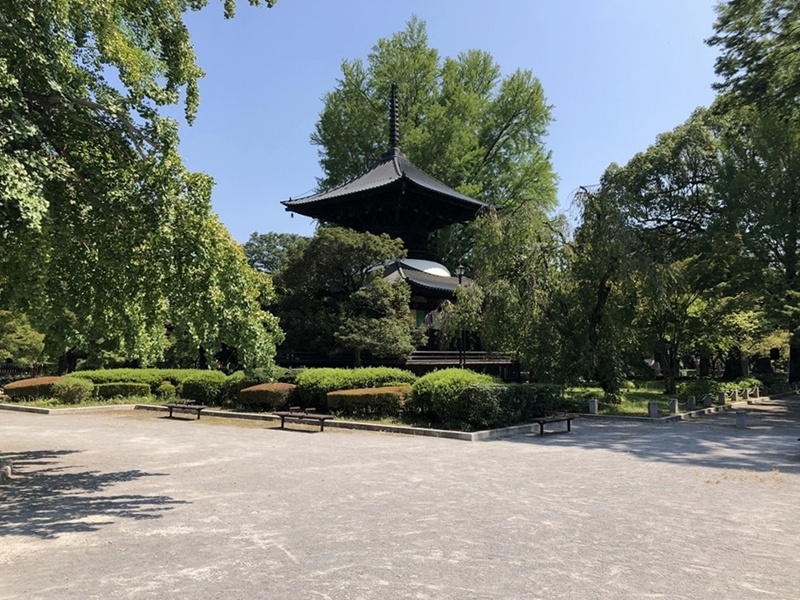
The Ashikaga Residence (Bannaji Temple) offers a profound sense of the Kamakura period, highlighted by the magnificent National Treasure standing proudly on its grounds. The locals have affectionately called it "Dainichi-sama" since ancient times. The beautifully laid stone paths and the elegant design of the Japanese garden are definitely among its best highlights.
Moreover, the surrounding area is packed with fantastic spots for both history buffs and food lovers! From exploring Japan's oldest school, the "Ashikaga School," to admiring the gorgeous seasonal blooms at "Ashikaga Flower Park," and enjoying the charming, historic atmosphere of the famous soba restaurant, "Issa-an."
Why not take a relaxing stroll through history and enjoy a healing getaway in the very place where the foundations of the mighty Ashikaga clan and the Muromachi Shogunate were built?
Even though Bannaji is a temple, you can feel the strong presence of a samurai residence everywhere. It really is a fascinating and unique place! ♪
It was so compact and easy to walk around! And the Ashikaga School was great too. Sometimes I really don't want to go to my own school, but somehow I had a blast exploring this one! ☆
Is that just because of your bad score on the last test? (laughs) Jokes aside, the Flower Park was absolutely lovely too!
Well... maybe... (laughs)
The Flower Park was wonderful! The roses left a huge impression on me. They smelled so sweet, it actually made me want to try growing them myself!
The roses were amazing! Next time, I really want to come back when the Great Wisteria is in full bloom! By the way, the castles around the Ashikaga Residence on the list are No. 14 Mito Castle and No. 16 Minowa Castle. Please check them out if you have the time! ♪
▼ Explore Castles in Kanto & Koshinetsu
Kanto Area
14. Mito Castle /
15. Ashikaga Residence /
16. Minowa Castle /
17. Kanayama Castle /
18. Hachigata Castle /
19. Kawagoe Castle /
20. Sakura Castle /
21. Edo Castle /
22. Hachioji Castle /
23. Odawara Castle /
Koshinetsu Area
24. Takeda Residence /
25. Kofu Castle /
26. Matsushiro Castle /
27. Ueda Castle /
28. Komoro Castle /
29. Matsumoto Castle /
30. Takato Castle /
31. Shibata Castle /
32. Kasugayama Castle


