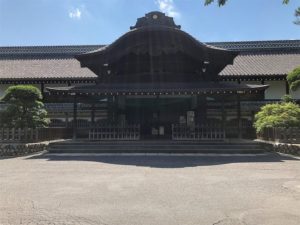

Hello! I'm Sakura Somei, your guide for Hachigata Castle. In this article, I’ll show you around the fortress and introduce some wonderful local sightseeing spots. Let's explore together! ♪

Hachigata Castle is a legendary Sengoku-period fortress built along the dramatic cliffs of the Arakawa River. Its formidable design brilliantly utilizes the river and hilly terrain, creating a site that is as strategically robust as it is naturally beautiful. Today, it’s a top destination for history buffs and hiking enthusiasts alike. In this guide, I’ll highlight the castle’s must-see spots, Top 100 Castles stamp info, and the easiest ways to get there!
Basic Information
Hachigata Castle was originally established by Nagao Kageharu and later significantly expanded and fortified by Hojo Ujikuni.
During the fierce power struggles for control over the Kanto region, it served as a critical strategic stronghold for the Hojo clan in Northern Kanto.
The castle ruins now feature impressive stone walls, the foundations of the Shikyakumon Gate, and breathtaking viewpoints overlooking the Arakawa River. With its Sannokuruwa bailey, Umadashi (barbican), and well-maintained walking trails, it has become a popular historic park where visitors can immerse themselves in both rich history and vibrant nature.
| Era | Event | Lord / Key Figures |
|---|---|---|
| Early Sengoku Period | Tradition says Nagao Kageharu built the castle. | Nagao Kageharu (Tradition) |
| 1560s | Hojo Ujikuni massively expanded and reinforced the site. | Hojo Ujikuni (Hojo Clan) |
| 1590 | Forces led by Maeda Toshiie attacked during the Siege of Odawara. | Hojo Ujikuni, Maeda Toshiie, etc. |
| 1590 | Hachigata Castle fell and was subsequently abandoned. | ― |
Hachigata Castle is #18 on the list of Japan's Top 100 Castles and is a fascinating historical site deeply connected to the Hojo clan! ♪
About the Castle
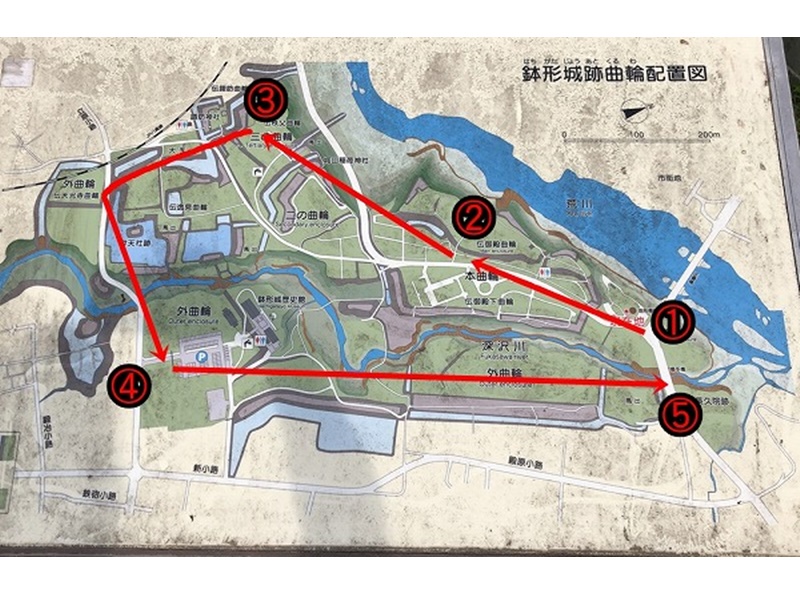
Hachigata Castle, located in Yorii Town, Saitama Prefecture, is a classic example of a "renkaku-shiki" (successive-compound) hilltop castle. Today, the expansive ruins are beautifully preserved as Hachigata Castle Park.
Strategically positioned between the Arakawa and Fukasawa Rivers, the castle was renowned as an impregnable natural fortress. Its legendary defenses were so formidable that it successfully repelled sieges by the "Tiger of Kai," Takeda Shingen, in 1569, and the "Dragon of Echigo," Uesugi Kenshin, in 1574.
In 1590, during Toyotomi Hideyoshi’s massive Siege of Odawara, Hachigata found itself surrounded by a star-studded alliance. A staggering force of 35,000 troops—led by legendary figures like Maeda Toshiie, Uesugi Kagekatsu, Sanada Masayuki, and Tokugawa Ieyasu—encircled the stronghold.
Despite being outnumbered more than ten to one, the castle lord Hojo Ujikuni and his 3,000 warriors showcased incredible grit, holding out for an entire month. Ultimately, Ujikuni surrendered the castle under the condition that the lives of his men be spared, leading to the end of Hachigata Castle's era.
Hachigata is the definition of a geographic stronghold! With the Arakawa River acting as a massive moat and those steep cliffs at the rear, it was virtually impossible for enemies to launch a sneak attack from the back!
Walking Around Hachigata Castle
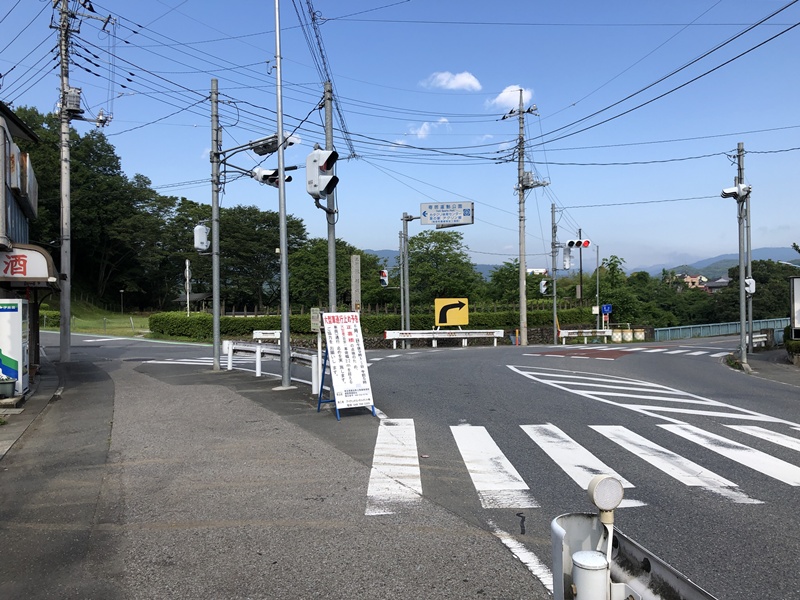
For this visit, I took a scenic stroll from Hachigata Station on the Tobu Tojo Line. You can also access the castle from Yorii Station; either way, it’s a pleasant 20 to 25-minute walk—perfect for soaking in the local town atmosphere.
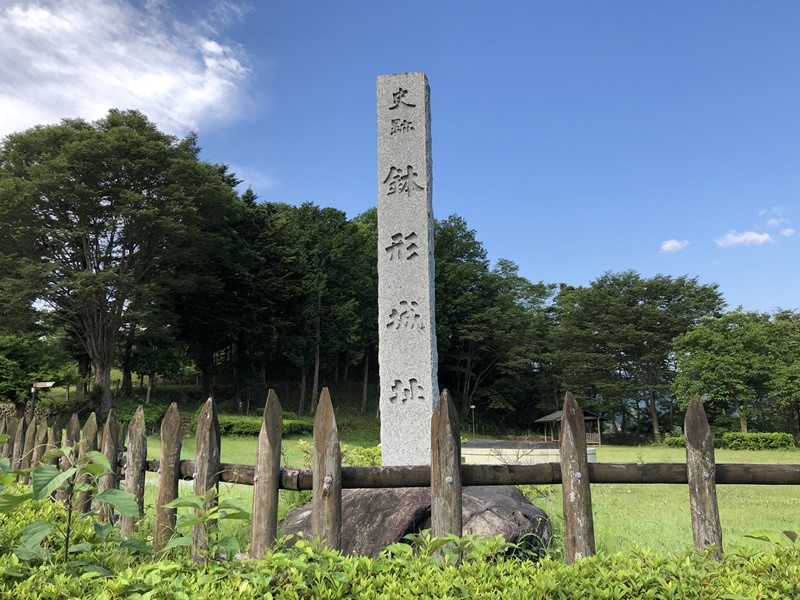
The photo above shows the entrance at Sasa-kuruwa. Look for the stone monument to the left of the yellow sign; it’s a clear landmark for the start of the castle grounds. There’s also an intricate scale model of Hachigata Castle here. I highly recommend studying this model before you start exploring—it makes visualizing the original structures much easier when you see the actual ruins!
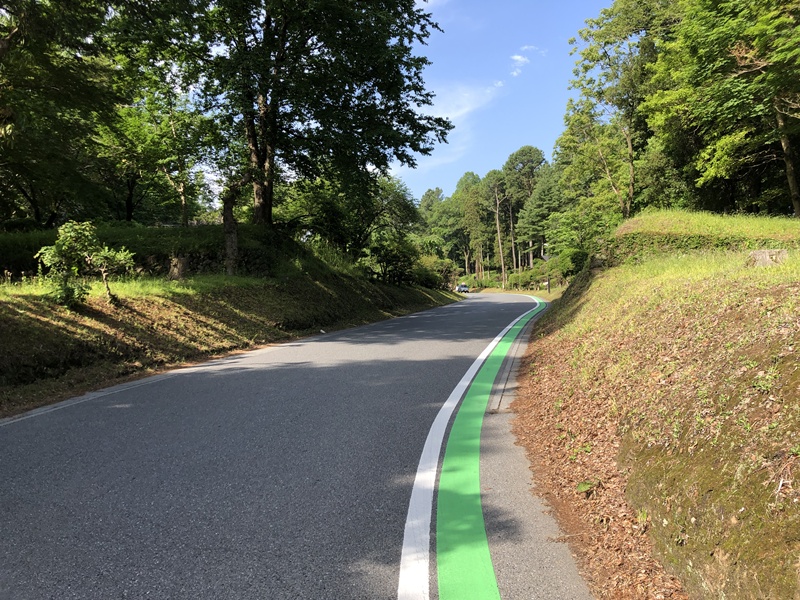
As you step deeper into the grounds past Sasa-kuruwa, you're greeted by a vibrant sea of green. It feels less like a ruin and more like an expansive nature park with a wonderful sense of openness.
Traveler's Tip: Some of the roads passing through the castle are actually used by local cars. While you might be tempted to get lost in your photography, keep an eye out for vehicles to ensure a safe stroll!
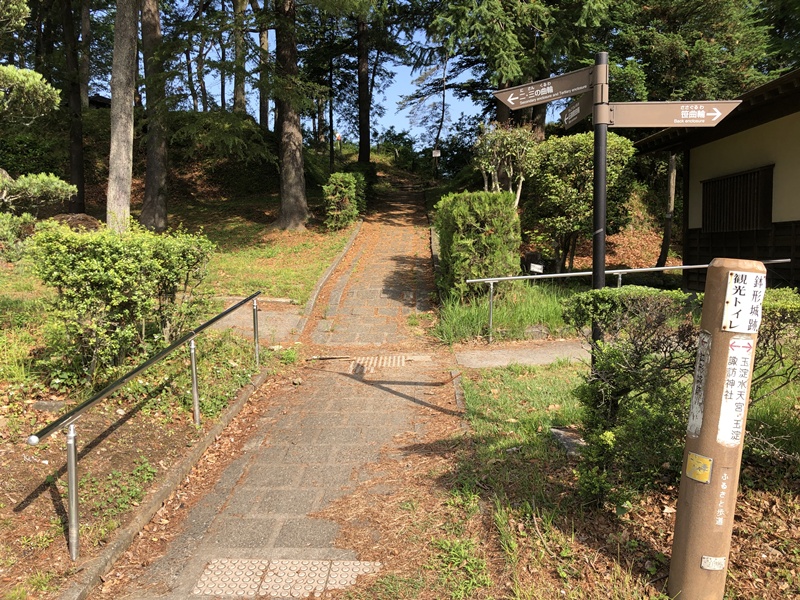
This is the Hon-kuruwa (Main Bailey). It’s not far from the entrance, so the walk here is smooth and straightforward. The area is surrounded by quiet woods, creating a serene, almost meditative atmosphere. You'll also find a stone monument and a small rest area here.
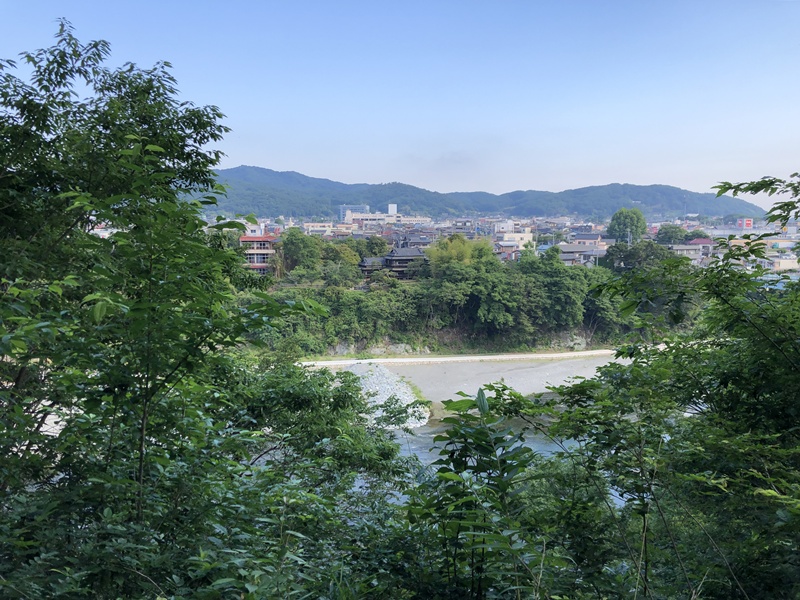
The view from Hon-kuruwa is breathtaking. Hachigata is famously called a "Natural Stronghold," and looking down at the Arakawa River from these steep cliffs, you can immediately see why. Launching an attack from the river side would have been a nightmare for any invading army!
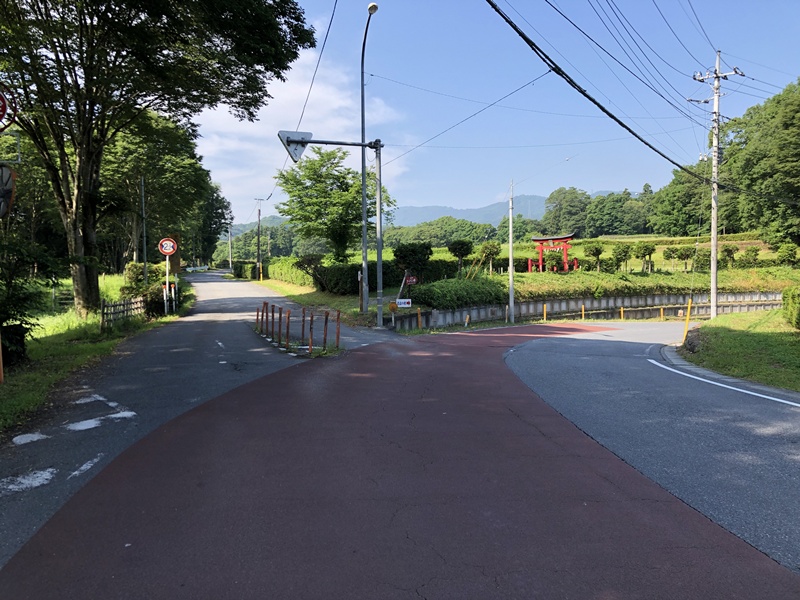
Continuing from the Main Bailey, I took the left path at the fork. The Torii gate you see in the distance belongs to Shiroyama Inari Shrine, which adds a spiritual touch to the historical landscape.
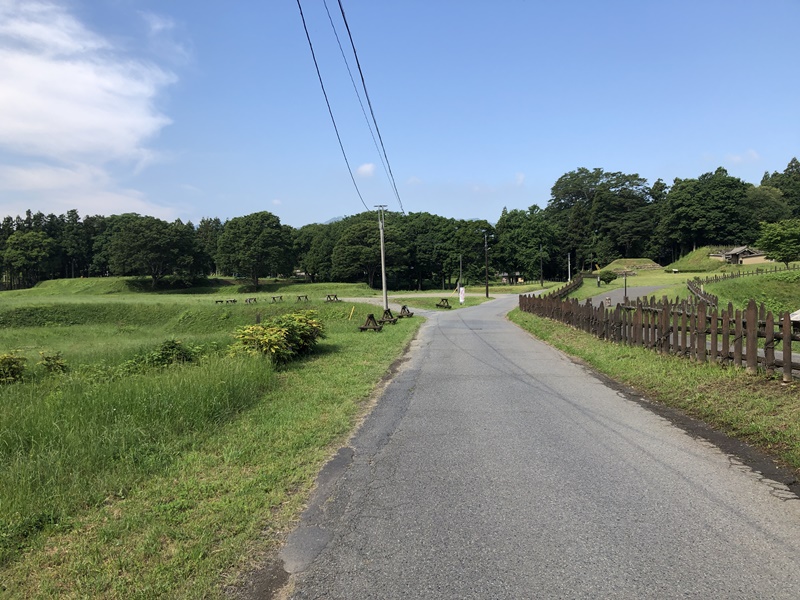
As I reached the Ni-no-kuruwa area, the wooden fences along the road began to give the site a more authentic "castle" feel. You can really start to sense the military layout of the fortress here.
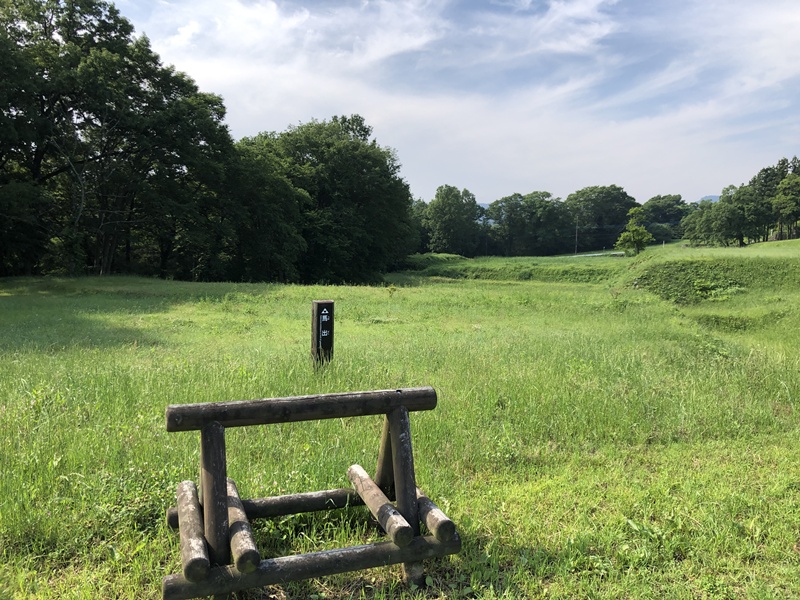
The Umadashi. This is a small defensive outpost located in front of a castle gate. Its role was vital: preventing enemies from rushing the gate directly and serving as a launchpad for counter-attacks. Today, it’s a peaceful, grassy clearing that belies its fierce tactical history.
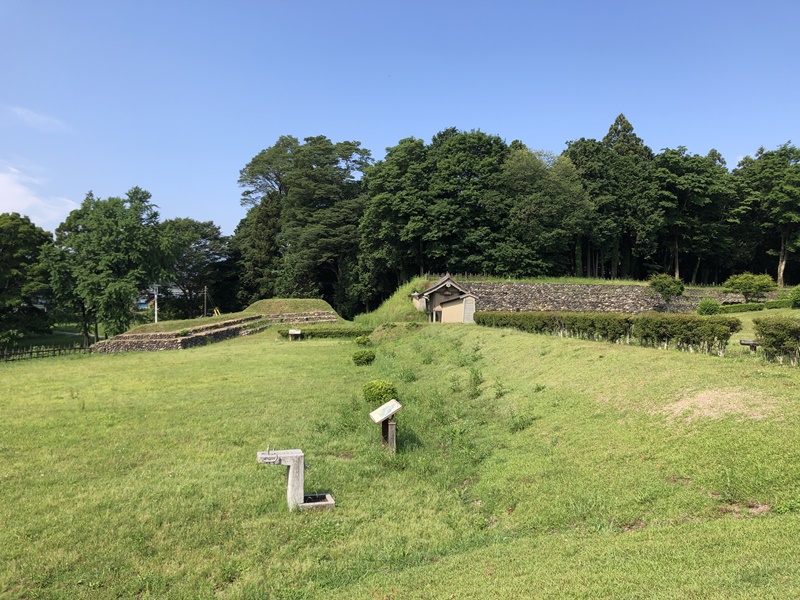
Next is the San-no-kuruwa (Third Bailey). This was once the heart of daily life and administration, housing the lord's residence and government offices. It’s the most expansive and significant area of Hachigata Castle. Walking through this section, you'll encounter several fascinating reconstructions, starting with the gate in the distance.
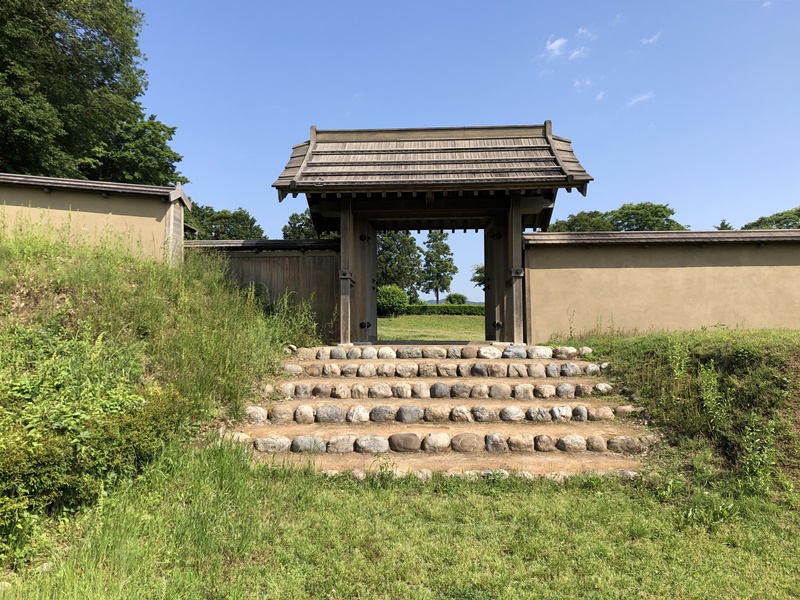
The Shikyakumon Gate (Four-Pillar Gate). Located at the front of the residence area, this gate was a symbol of high status. Today, it’s one of the most popular photo spots in the park. While it's not massive, its dignified silhouette against the meticulously kept lawn gives it a powerful, quiet presence.
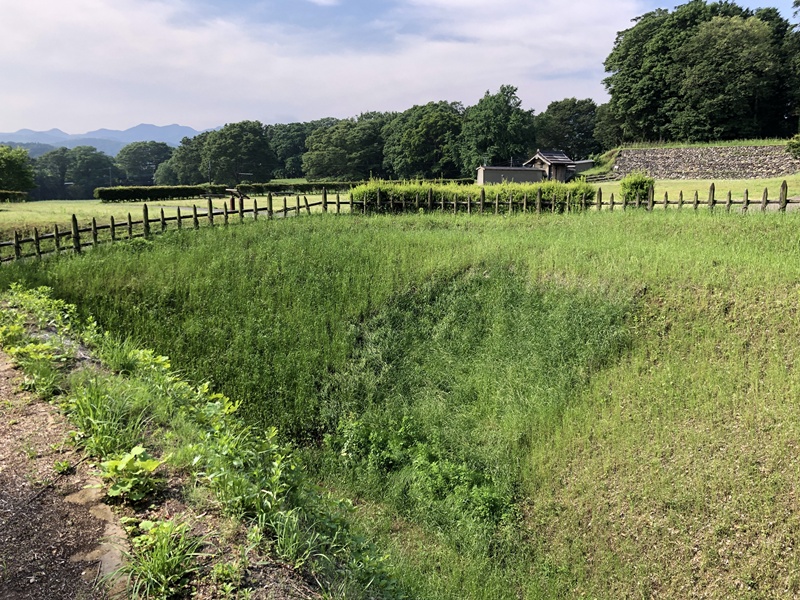
These are the moats. Specifically, the Shoji-bori (or Une-bori), a defensive style characteristic of the Hojo clan. These dry moats utilize the natural earth to create high ridges. Peering down into them, you realize that for a Sengoku soldier, climbing over these ridges while under fire would have been virtually impossible. It’s a masterpiece of defensive engineering.
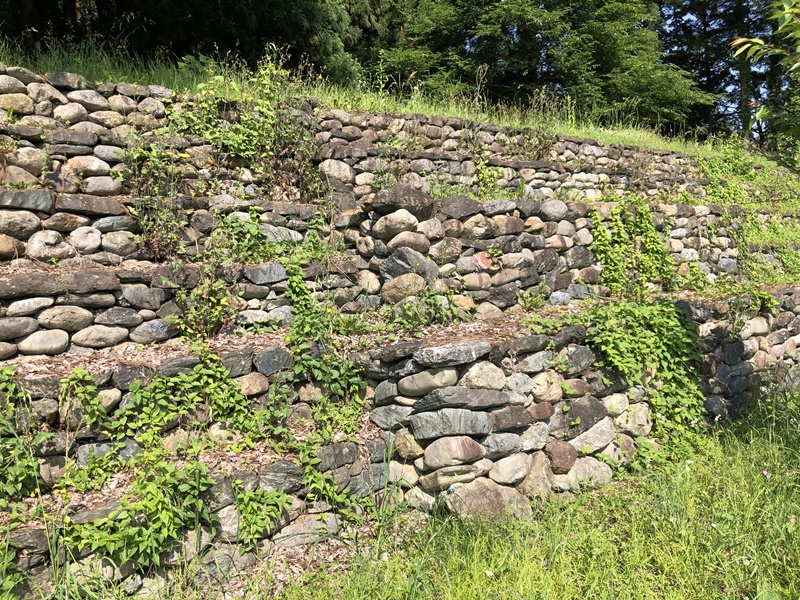
Though Hachigata is primarily known as an "earthen castle," it features sophisticated Stone Walls in key locations. These walls near the Shikyakumon were likely meant to project the lord's authority and wealth to visitors. The rugged, unrefined natural stones give you a direct connection to the raw energy of the Warring States period.
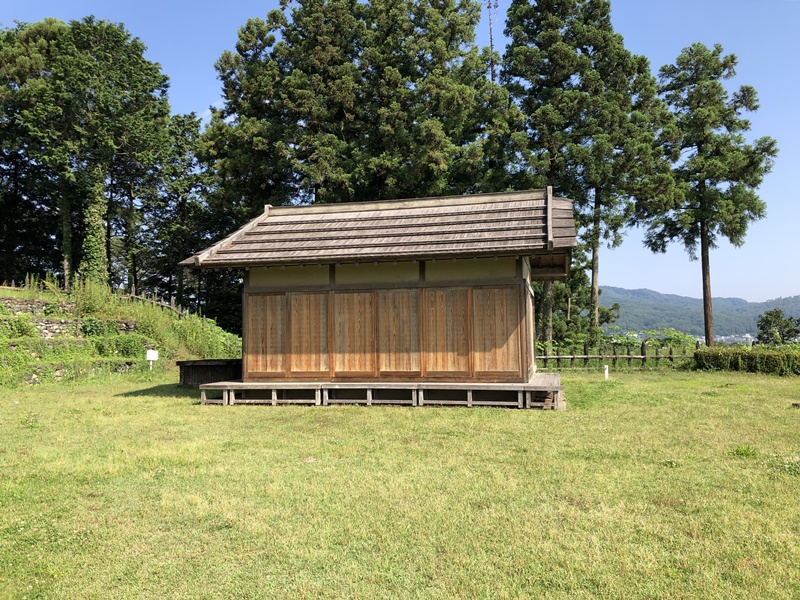
The Azumaya (Pavilion). This reconstructed building in the San-no-kuruwa was used for relaxation and enjoying the garden views. It's surprising to find such a peaceful, aesthetic space—complete with pond ruins—hidden within a military fortress. You can also see stone-lined drainage ditches and old wells nearby, offering a glimpse into the daily logistics of castle life.
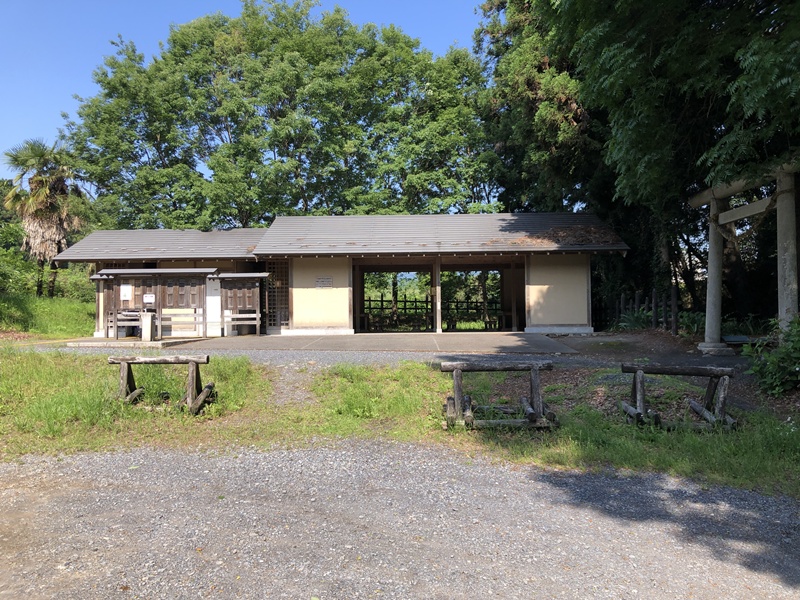
A convenient rest area and toilets are located just a short walk from San-no-kuruwa. Having clean, accessible facilities along the trail makes a long exploration much more comfortable!
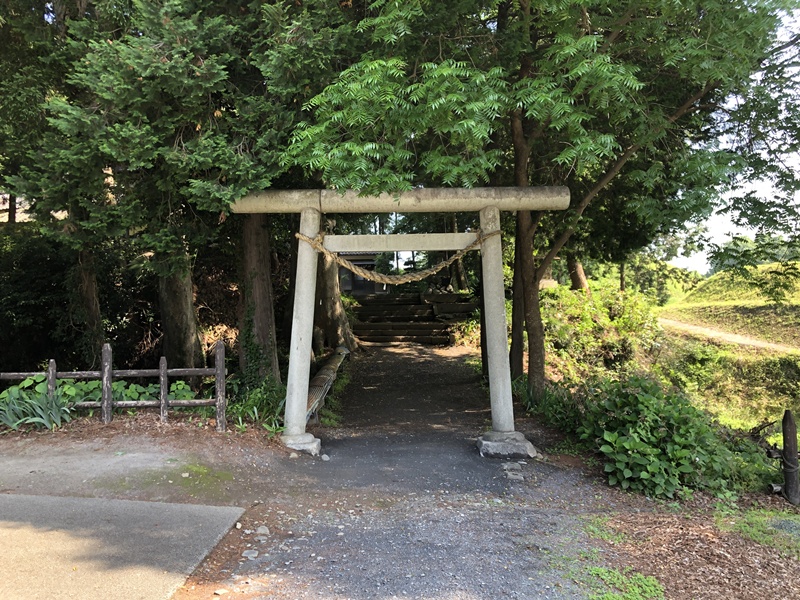
Suwa Shrine. It was common for castle lords to enshrine deities for protection and victory. Lord Hojo Ujikuni was a devout follower of this shrine, treating it as the guardian of the fortress. Don't miss the grand sacred tree on the grounds, which has stood for centuries.
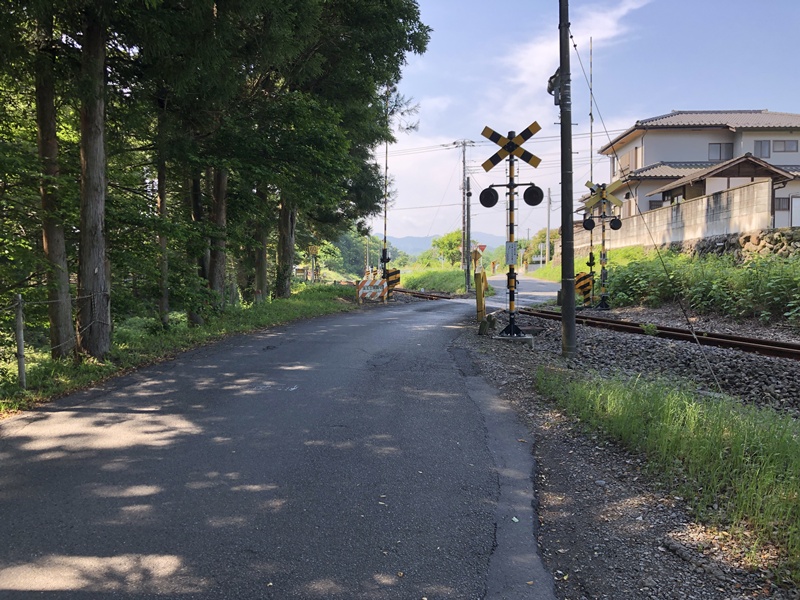
Here’s a unique sight: Modern Train Tracks crossing right through the castle grounds. There’s something strangely poetic about a modern train clattering past the same earthen walls where Hojo’s elite once stood guard. It's a perfect juxtaposition of Japan’s past and present.
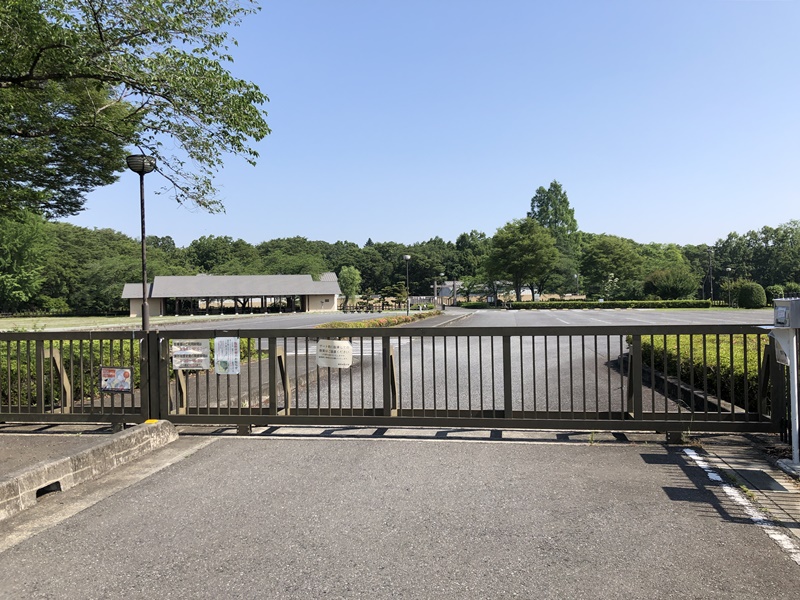
The Hachigata Castle History Museum. This is the place to dive deep into Sengoku-period artifacts. Unfortunately, it was closed on the day of my visit, but that’s just how travel goes sometimes!
Pro Tip: Even when the museum is closed, you can still get your Top 100 Castles Stamp! Check the mailbox at the entrance; the stamp is usually placed inside for collectors. I was able to get mine without any trouble.
One of the best things to see here is the Shoji-bori! The bottom of the moat is divided into sections that look just like a waffle iron. If a soldier fell in, they’d be stuck in a tiny box—making them a perfect target for defenders above! Terrifying, right?
Exploring the Surrounding Area
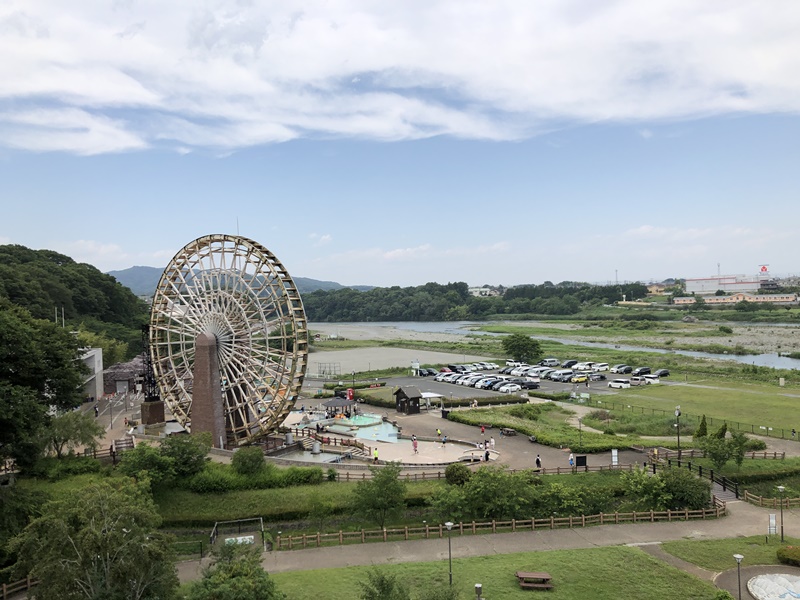
After exploring the castle, let's take a stroll through the surrounding area. First up is the Saitama Museum of Rivers. This facility offers deep insights into the relationship between the Arakawa River and the people who have lived alongside it. It’s not just for learning, though—there’s also a "Water Athletics" area where you can experience flood control and water use principles through physical activity!
The centerpiece is the Large Waterwheel. Towering over even the two-story buildings on site, its presence is impossible to miss from anywhere in the grounds. In fact, this massive wheel once held the record as the largest waterwheel in Japan.
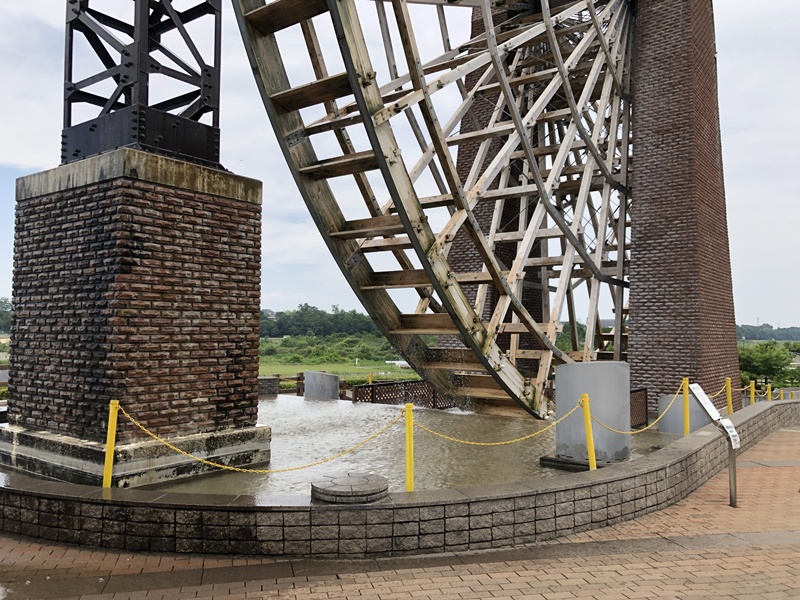
I stood right at the base of the waterwheel to get a closer look. Up close, the sense of scale is totally different from seeing it at a distance—it's truly massive!
Watching the water rush into the buckets and spill out with a heavy, rhythmic thud is strangely hypnotic. It’s one of those sights you can just stare at for ages without getting bored.
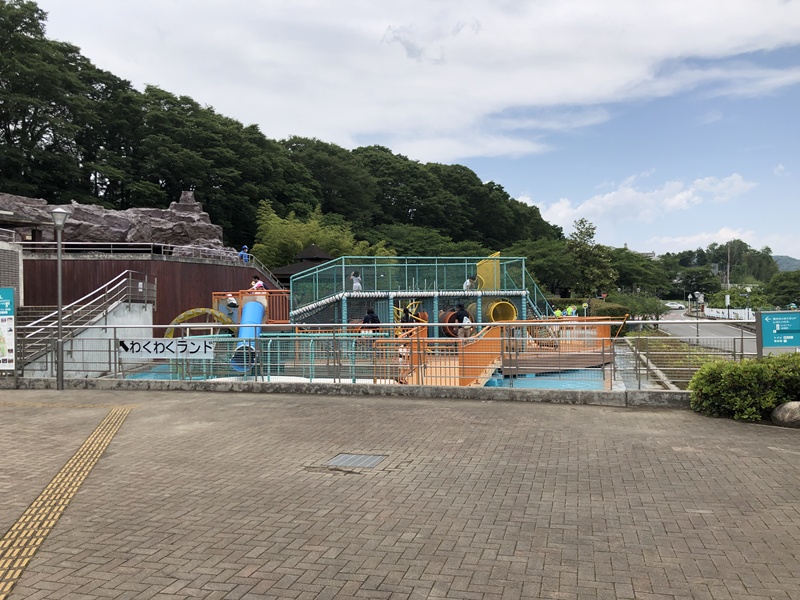
The Water Athletics area! With so many hands-on features and physical challenges, it feels more like a mini water-themed adventure park.
The lively, energetic atmosphere is a great contrast to the quiet of the ruins. Even if you're traveling with family members who find history a little "dry" (pun intended!), they’ll definitely have a blast here.
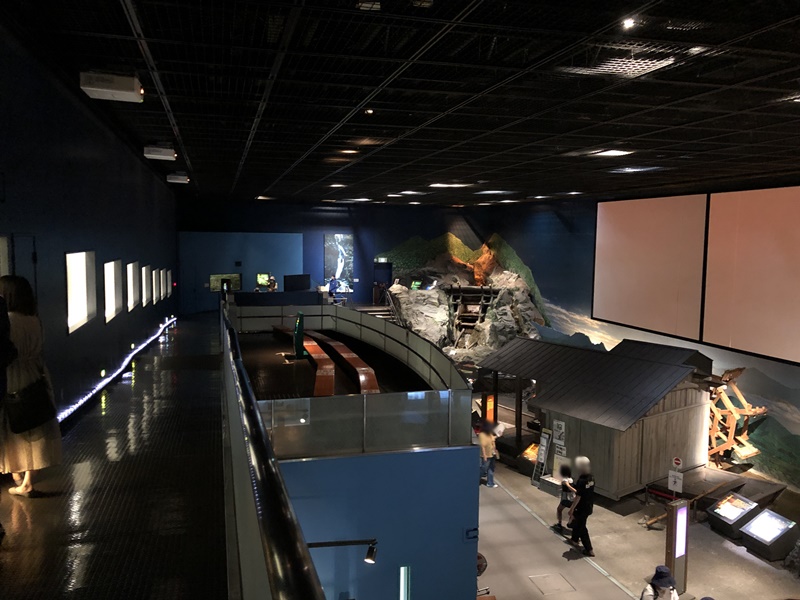
Inside the museum, the exhibition halls are split across two floors. They feature fascinating displays on the nature and history of the Arakawa River, and how water has shaped human life.
From a giant scale model of the Arakawa terrain to scientific exhibits where you can learn about the power of water, there’s plenty to keep even kids engaged.
One place you must stop by is the Observation Deck. Take the elevator up to enjoy a grand, sweeping view of the majestic Arakawa River—it’s the perfect vantage point.
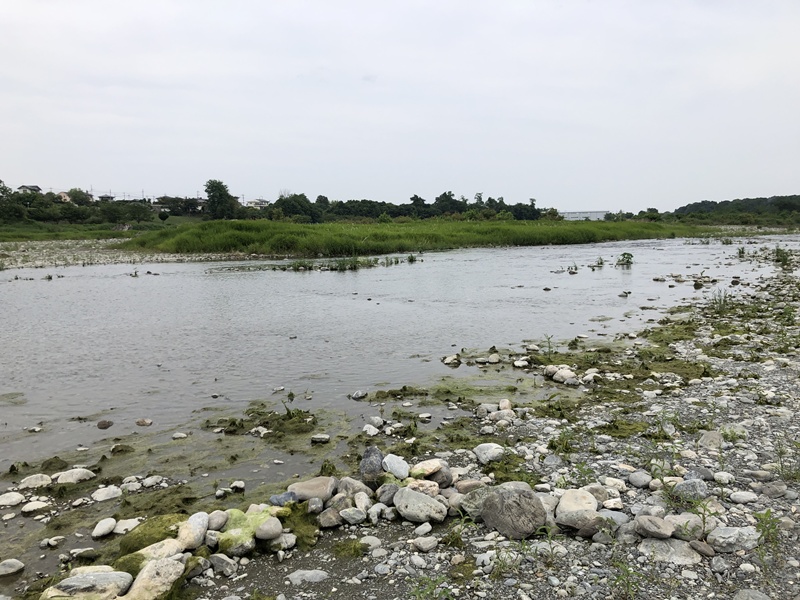
This is Kawasemi-gawara, a scenic riverbank on the Arakawa, just a short walk from the museum. It’s a popular local spot for fishing, canoeing, camping, and BBQs. If you’re lucky, you might even spot a Kawasemi (Kingfisher) while birdwatching!
The scenery here—where the mountains meet the river and road—is really quite beautiful. I noticed some stone cairns that looked like they might be used by campers to help secure tents or mark spots.
There's something incredibly healing about just zoning out by the water. Time slips away so quickly when you're just relaxing and listening to the flow. We all need a moment like this every now and then, right?
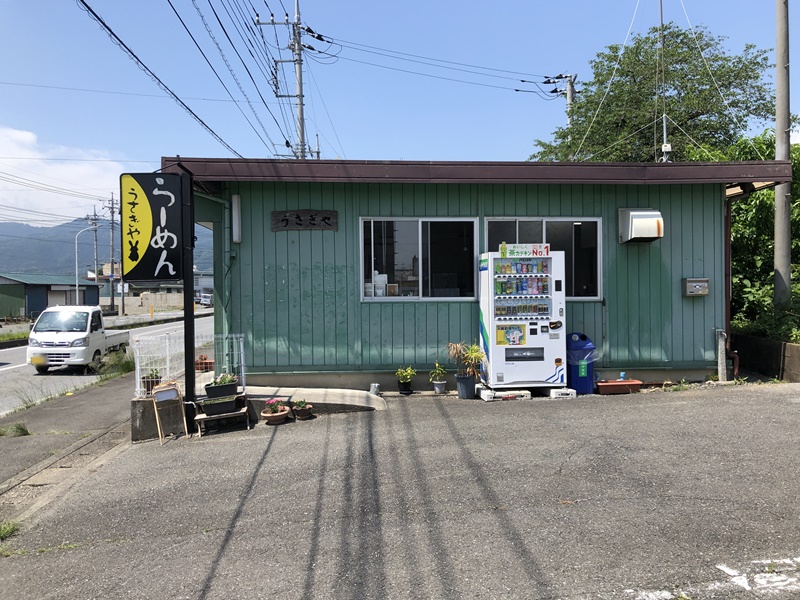
Next, it's time for lunch! I headed over to Usagiya Ramen. The shop greeted me with a charming noren (curtain) featuring a cute rabbit (Usagi in Japanese).
I arrived right when they opened, but there were already customers inside. While you might not have to wait in line on weekdays, it’s clearly a popular spot that locals flock to the second the doors open.
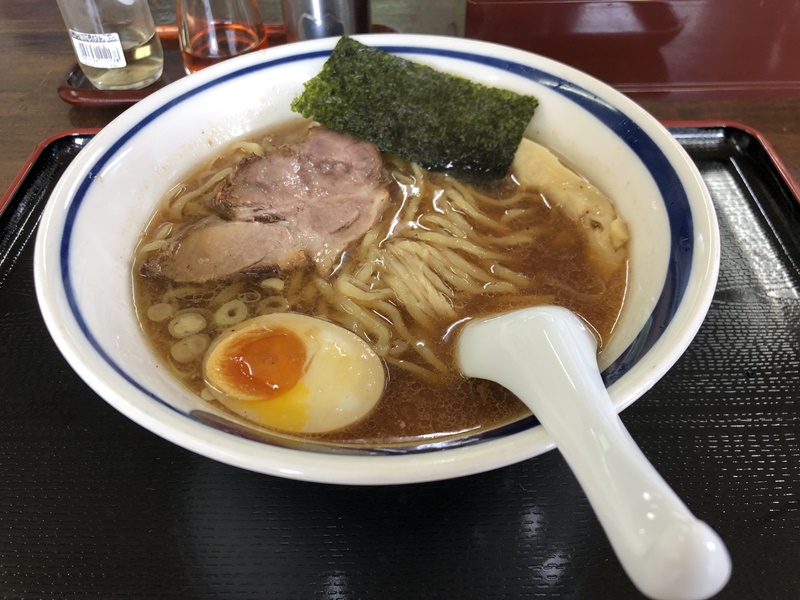
The shop uses a ticket machine system—buy your ticket, take a seat, and hand it to the staff. They have a varied menu, but I decided to go with the classic Shoyu (Soy Sauce) Ramen. You can choose between thick or thin noodles, and I opted for the thick ones.
It has that nostalgic "Chuka Soba" look, but the flavor is a wonderfully gentle blend of bonito and seafood broth. It’s light, savory, and incredibly easy to eat—I can totally see why they have so many regulars. I already want to go back and try it with the regular thin noodles next time!
| Item | Details |
|---|---|
| Name | Usagiya (Yorii Town Ramen Shop) |
| Price | Ramen: 750 yen (as of 2024) |
| Location | 1539-2 Yorii, Yorii-machi, Osato-gun, Saitama |
| Access | Approx. 5 min by car or 15 min walk from Hachigata Castle Ruins |
| Phone | 048-581-0240 |
| Highlights | Famous for its simple, light Shoyu ramen. Customers can choose between thick and thin noodles. It's a local favorite where a line often forms at opening time. |

There’s nothing better than a hot bowl of ramen after a long walk! Usagiya’s ramen was so light and satisfying. I didn’t have time this trip, but I also really wanted to try the famous katsudon at Imaiya—the one where the cutlet is so big it practically spills out of the bowl! Next time for sure! ☆
100 Fine Castles Stamp & Access
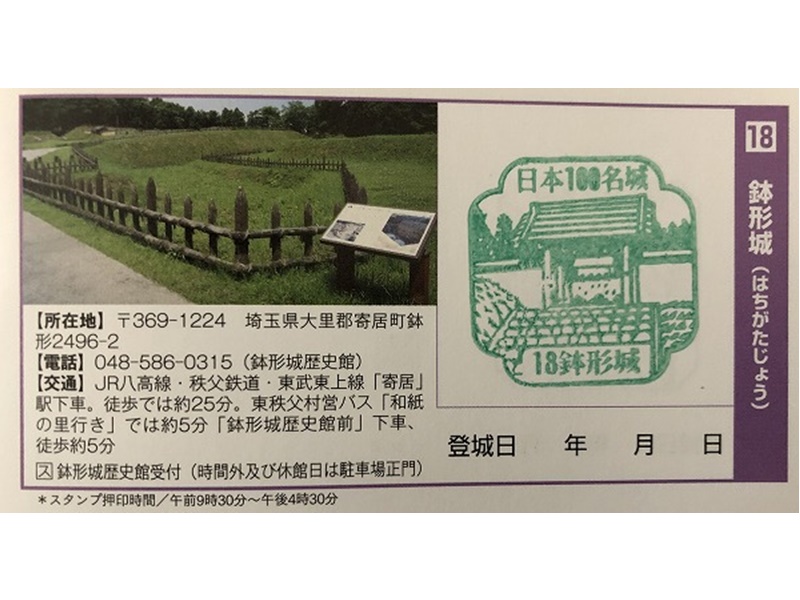
| Item | Details |
|---|---|
| Location | Hachigata Castle History Museum |
| Hours | 9:30 AM – 4:30 PM (Last entry at 4:00 PM) |
| Closed | Mondays, days following national holidays, and Year-end/New Year holidays |
| Phone | 048-586-0315 |
| Admission | Adults: 200 yen / Students (HS/Univ): 100 yen / Free for Junior HS and under, 70+ years old, and visitors with disabilities. |
| Note | Available at the museum. After hours or when closed, the stamp is located in the mailbox to the right of the parking lot entrance. |
| Item | Details |
|---|---|
| Address | 2496-2 Hachigata, Yorii-machi, Osato-gun, Saitama |
| Access (Train) | Approx. 20–25 min walk from "Yorii Station" (JR, Chichibu Railway, Tobu Tojo Line) or 5 mins by taxi. |
| Bus | Local bus services from Yorii Station towards Hachigata are available (checking the schedule in advance is recommended). |
| Parking | Free parking available at the Hachigata Castle History Museum. |
| Phone | 048-586-0315 (Hachigata Castle History Museum) |
| Time Needed | Approx. 30–40 mins. Allow 45+ mins if you wish to thoroughly explore the dry moats and earthen embankments. |

Hachigata Castle is vast, but the terrain is mostly flat and the paths are well-maintained, so you don't need any special gear. However, since there’s a lot of ground to cover, I definitely recommend wearing comfortable sneakers or walking shoes!
Summary
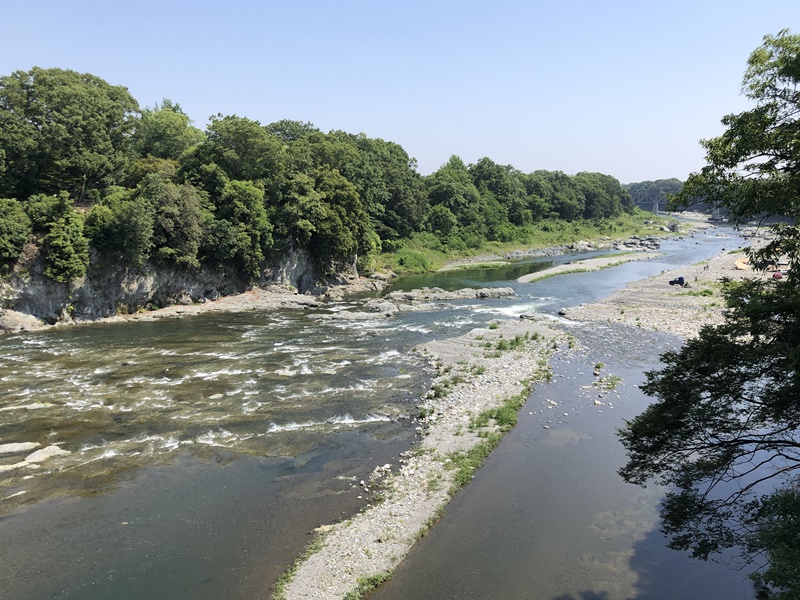
The photo above shows the view from the opposite bank of the river. That tree-covered plateau rising across the water is the site of Hachigata Castle.
Imagine being an enemy soldier trying to attack from this side: first, you’d have to forge across the powerful Arakawa River, and then you’d be faced with scaling those steep, jagged cliffs. It’s immediately clear why this was considered an impenetrable stronghold. Standing here and looking at the landscape, you can truly feel why Hachigata was legendary as the ultimate "Natural Fortress."
While the castle cleverly utilized the natural hilly terrain, the interior paths are well-maintained and very easy to navigate. It doesn't feel like a closed-off site; rather, the entire vast area feels like part of the castle grounds. This integration creates some fascinating modern juxtapositions, such as a fully functional train track running right through the historical site!
Hachigata Castle is also surrounded by excellent facilities for both learning and leisure, such as the Hachigata Castle History Museum and the Saitama Museum of Rivers. Plus, local delights like the highly-rated Usagiya Ramen make the visit even more rewarding. If you have the chance, please take your time to explore this wonderful blend of history, nature, and local flavor.
Hachigata Castle was so lush and green—the birdsong was incredibly soothing! ♪ I felt like I was recharging my batteries with nature while soaking in all that samurai history! ♪
Absolutely! And those cliffs over the Arakawa River were staggering. They’re a force of nature! It’s no wonder Hojo Ujikuni chose this spot—it’s the ultimate defensive masterpiece!
Right? I also loved the gap between the ancient ruins and the modern train tracks—it was such a cool contrast! And while the ramen was delicious, my heart still wants that giant katsudon! ☆
Haha, we'll save the katsudon for our next adventure! (laughs) Since Hachigata Castle is maintained like a massive park, it was lovely being able to explore the ruins at such a relaxed, comfortable pace.
That variety is exactly what makes castle hunting so much fun! By the way, the nearby castles on the list are No. 17 Kanayama Castle and No. 19 Kawagoe Castle. Be sure to check them out if you have the time! ♪
▼ Explore Castles in Kanto & Koshinetsu
Kanto Area
14. Mito Castle /
15. Ashikaga Residence /
16. Minowa Castle /
17. Kanayama Castle /
18. Hachigata Castle /
19. Kawagoe Castle /
20. Sakura Castle /
21. Edo Castle /
22. Hachioji Castle /
23. Odawara Castle /
Koshinetsu Area
24. Takeda Residence /
25. Kofu Castle /
26. Matsushiro Castle /
27. Ueda Castle /
28. Komoro Castle /
29. Matsumoto Castle /
30. Takato Castle /
31. Shibata Castle /
32. Kasugayama Castle