
Hi there! I'm Sakura Somei, your Castle Maiden guide for Sakura Castle. In this article, I’ll walk you through this historic fortress and introduce some wonderful sightseeing spots in the area. Let's explore together! ♪

Sakura Castle was a vital "hirayama-jyo" (hilltop castle) that flourished as the seat of the Hotta clan during the Edo period. It played a critical role in defending a major strategic gateway to the Kanto region. Today, it’s preserved as Sakura Castle Ruins Park, where you can admire impressive earthen defenses surrounded by beautiful seasonal nature!
Basic Information
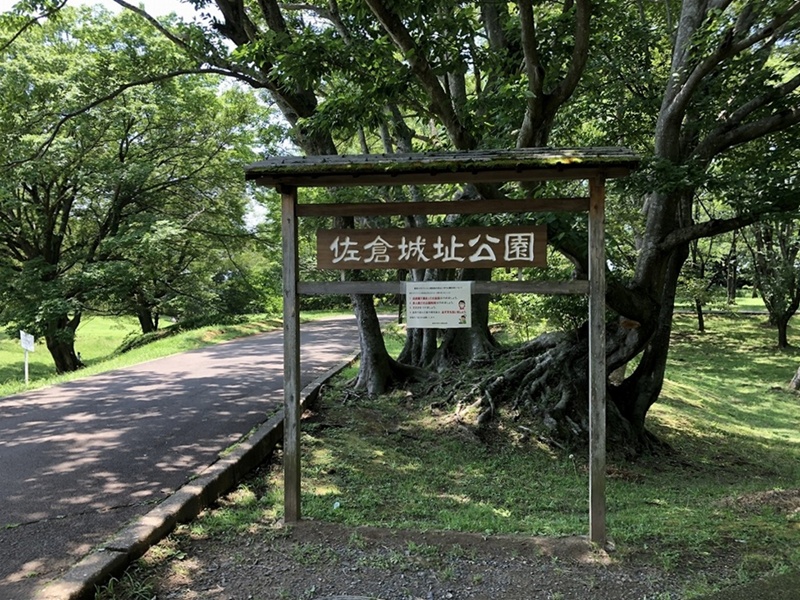
The origins of Sakura Castle date back to the mid-16th century (1532–1552) when Kashima Mototane began construction under the orders of Chiba Chikatane. However, the project was tragically halted following Chikatane's assassination. It wasn't until 1610 that the castle was finally completed by Doi Toshikatsu, acting on the strategic orders of the Shogun, Tokugawa Ieyasu.
Sakura Castle is most famously associated with the Hotta clan, who served as its lords for generations. Among them was Hotta Masayoshi, a pivotal figure in modern Japanese history who navigated the country toward its opening to the world. His diplomatic efforts, including negotiations with the first American Consul General Townsend Harris, cement the castle's legacy as a place where national destiny was shaped.
Today, the expansive grounds offer more than just ruins. It is home to the National Museum of Japanese History, botanical gardens, and a stunning iris garden, making it a premier destination for history buffs and families alike.
| Item | Details |
|---|---|
| Location | Jonai-machi, Sakura City, Chiba Prefecture |
| Year Built | Approx. 1532 – 1610 |
| Founders | Kashima Mototane, Doi Toshikatsu |
| Main Castle Lords | Doi Clan, Hotta Clan |
| Castle Type | Hirayama-jyo (Hilltop Castle) |
| Surviving Ruins | Earthworks (Dorui), Dry moats (Karabori), Water moats, Yakui-mon Gate, Tamachi Gate site, Main Bailey (Honmaru) ruins, etc. |
| Historic Status | National Historic Site (Sakura Castle Ruins) |
| Management | Sakura Castle Ruins Park / Sakura City Tourism Association |
Sakura Castle is ranked #20 on Japan's Top 100 Castles list. It's famously known as an "Earth Castle" (Tsuchi-no-Shiro) because of its unique structure built entirely with earthworks and moats, without using stone walls! ♪
About the Castle
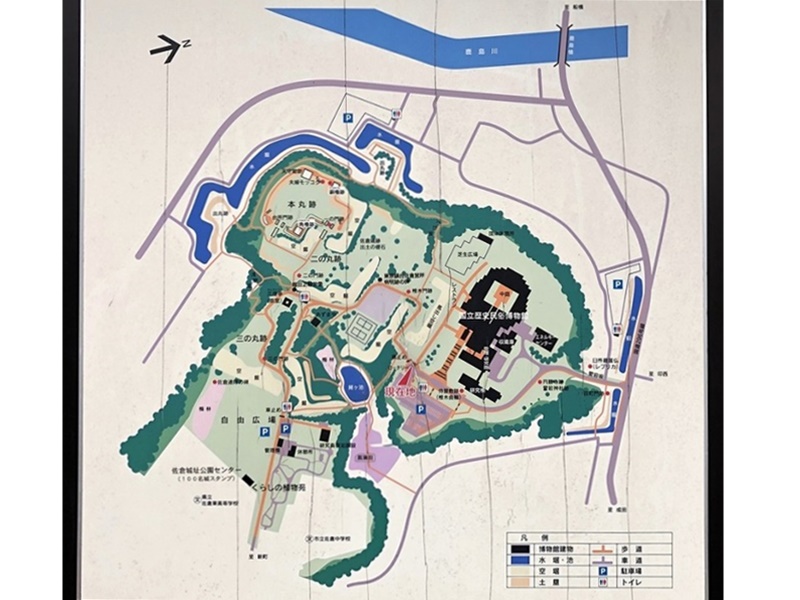
Sakura Castle is a classic "hirayama-jyo" (hilltop castle) built on the heights of Mt. Kashima. Naturally fortified by the Kashima and Takasaki Rivers to the west and south, it stands as a rare and precious example of an "Earthen Castle" in the Kanto region, retaining massive dry moats and impressive earthworks (dorui) to this day.
Instead of the stone walls common in western Japan, Sakura relied on the vast Lake Inbanuma as part of its outer defense system. Interestingly, it never had a traditional main keep (tenshu); instead, a prominent three-story turret (sanju-yagura) functioned as the castle's symbolic center.
The site is now a lush public park where nature lovers might spot Brown Hawk-owls. A word to the wise: keep an eye out for snakes! There are warning signs posted, and one spot is even tellingly named "Hebi-zaka" (Snake Slope). Consider it part of the authentic wilderness experience!
While most of the original buildings were dismantled following the Meiji-era Abolition of Castles Ordinance, the ruins remain in excellent condition. Visitors can explore the well-preserved Honmaru (Main Bailey), the Demaru outwork, and the distinctive "Kaku-maedashi" (Square outwork)—a specialized defensive bridgehead.
Did you know? Sakura Castle is also known by its alias, Kashima Castle, which comes from the name of the its founder and the hill it sits on!
Walking Around Sakura Castle
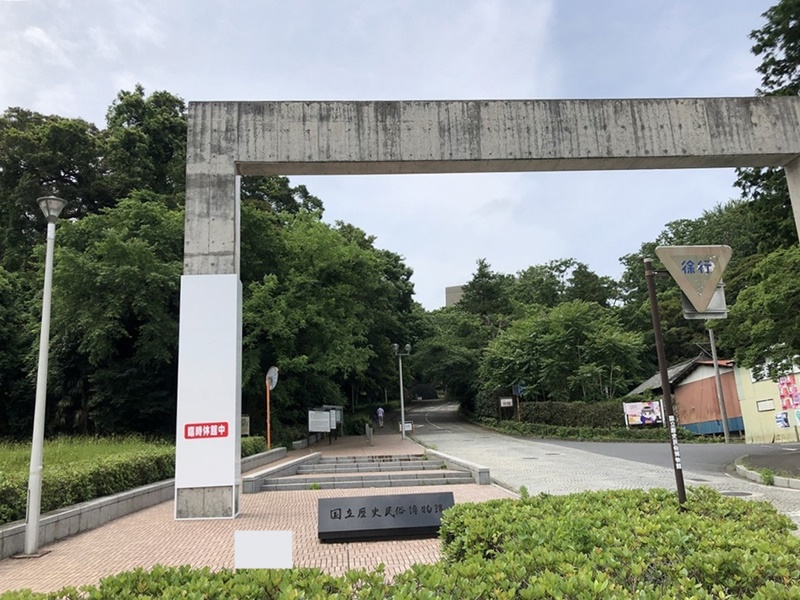
For this visit, I took a pleasant 15-minute walk from Keisei Sakura Station to the Sakura Castle Ruins Park. While there are several entrances, I chose the route entering from the side of the National Museum of Japanese History (Rekihaku).
Just inside the grounds on the left, you’ll find the Tamachi Gate site. While the original structure is long gone, informative signs mark the spot where this grand entrance once stood, helping you visualize the castle's former scale.
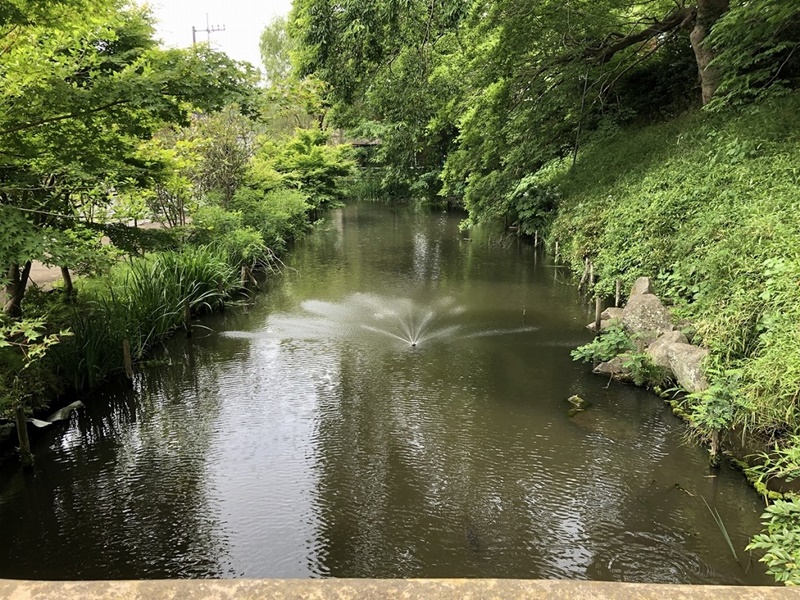
Near the Tamachi Gate is a beautiful Water Moat. During my visit, I noticed a group of enthusiasts with professional-grade long lenses gathered around some majestic old trees. Naturally curious, I asked what they were spotting.
It turns out they were photographing the Aobazuku (Brown Hawk-owl)! I’ve never encountered a wild owl in the middle of a park before—it was a wonderful reminder of how nature has reclaimed this historic site.
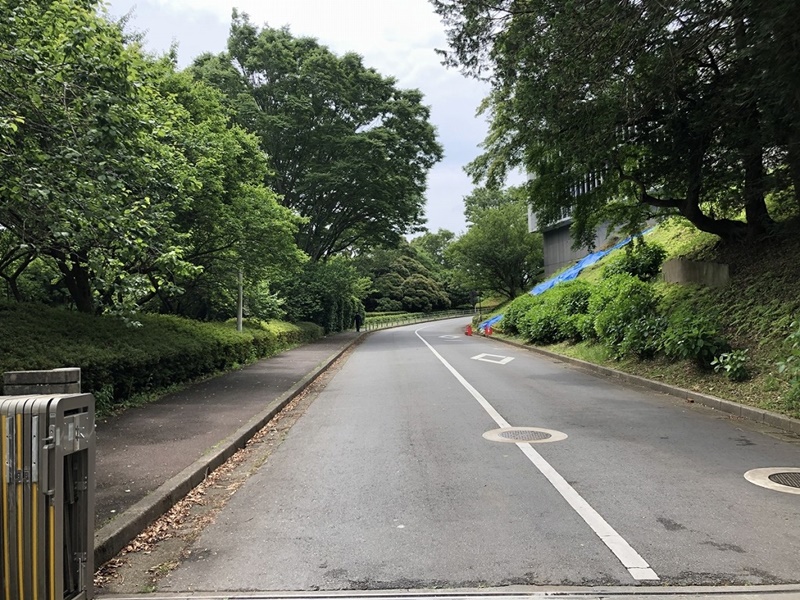
The paths near the museum are well-maintained and perfect for a stroll. However, I did spot a slightly ominous sign in the tall grass: a "Beware of Pit Vipers (Mamushi)" warning! While the frequent presence of other visitors usually keeps them away, it certainly adds a bit of a "wild" edge to your history walk. Better to stay on the main paths!
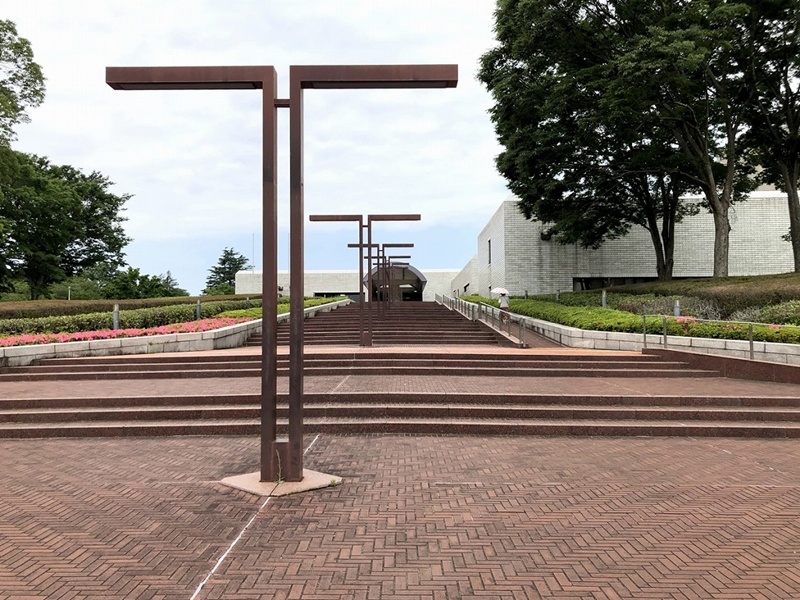
The National Museum of Japanese History (Rekihaku). Unfortunately, it was closed on the day of my visit. If you have the chance to go when it’s open, it’s highly recommended—the exhibits cover everything from the Ice Age to the Edo period and are incredibly comprehensive.
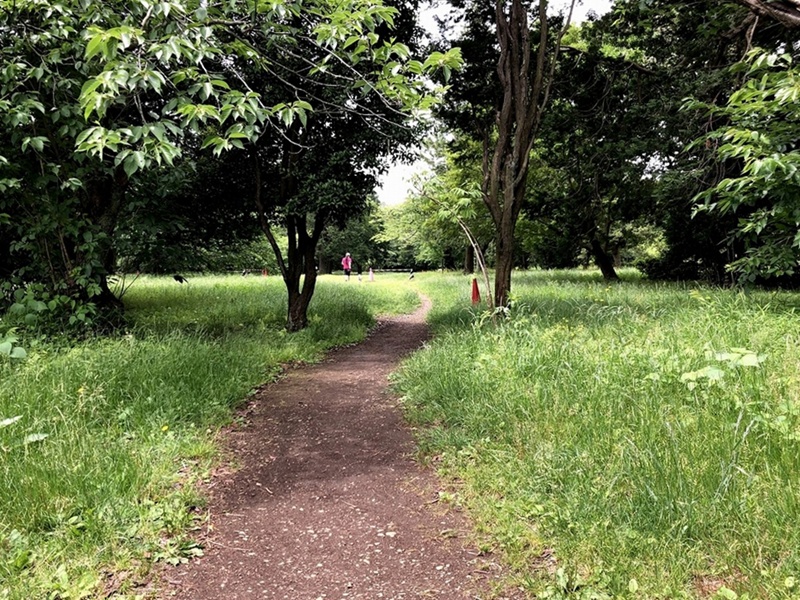
There are two main routes from the museum to the Honmaru (Main Bailey). I decided to take the scenic detour through Hebi-zaka (Snake Slope). The park is a fantastic place for "forest bathing"—the lush canopy and seasonal flowers are incredibly refreshing for the soul.
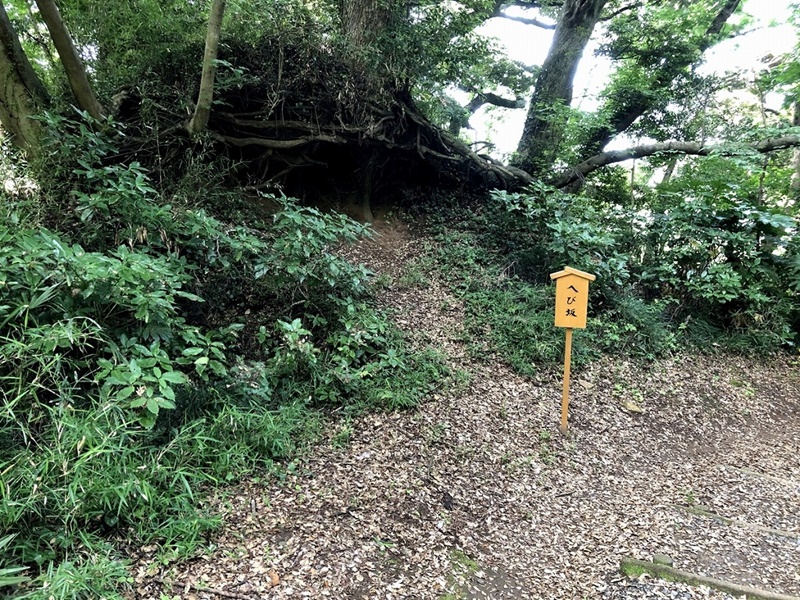
Hebi-zaka (Snake Slope). The atmosphere here feels a bit more mysterious as the dense foliage filters the sunlight. I'll admit, with the "Mamushi" signs still fresh in my mind, the name of this slope made me a little nervous! But with other hikers around, I pushed on into the woods.
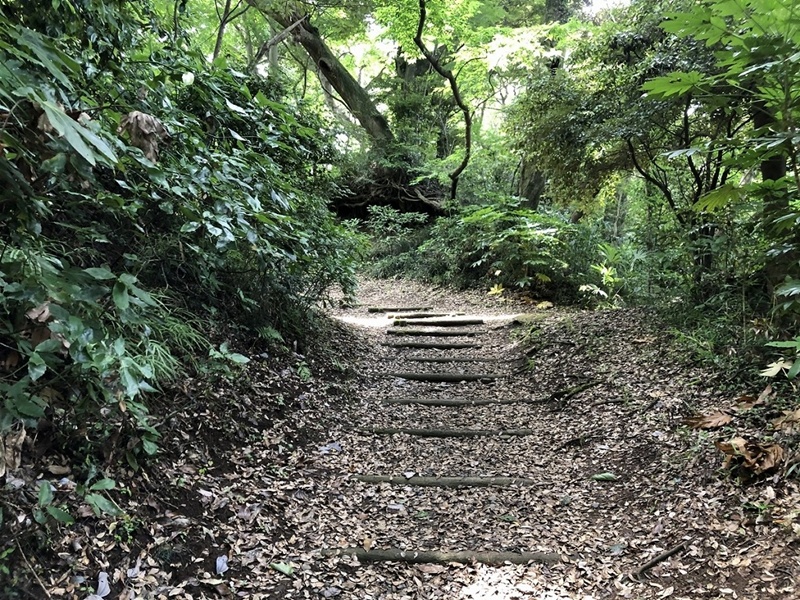
Some sections of the path are unpaved, which actually enhances the "authentic castle" atmosphere. The dappled sunlight hitting the dirt road feels like a scene straight out of a period drama. It’s humbling to think that while we walk here for leisure today, soldiers in the past lived here with the constant tension of potential warfare. It really makes you appreciate the peace we enjoy now.
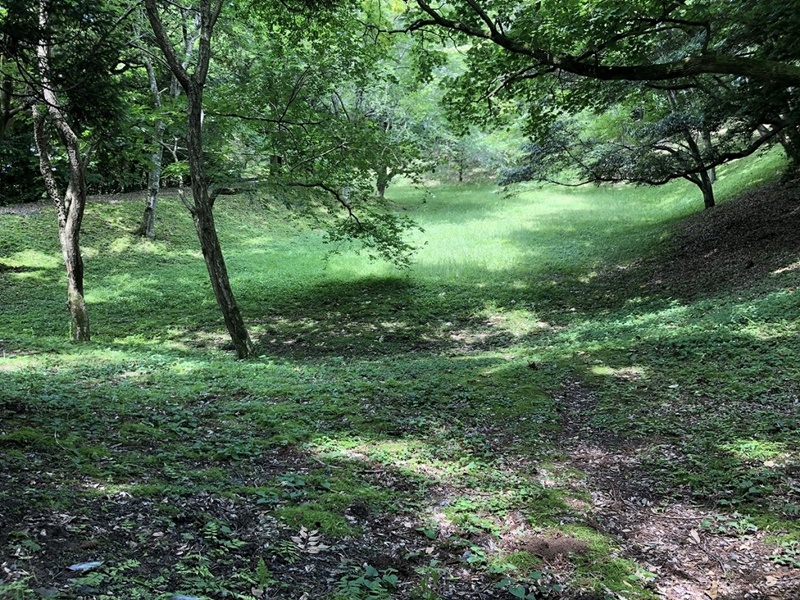
I came across a massive Dry Moat (Karabori). The way the soft light filters through the trees onto the deep, sharp floor of the moat is almost surreal. Once a fearsome military obstacle designed to trap invaders, it is now a place of quiet, haunting beauty. The dynamic heights of these earthworks—uncommon in castles with stone walls—are the true highlight of Sakura Castle.
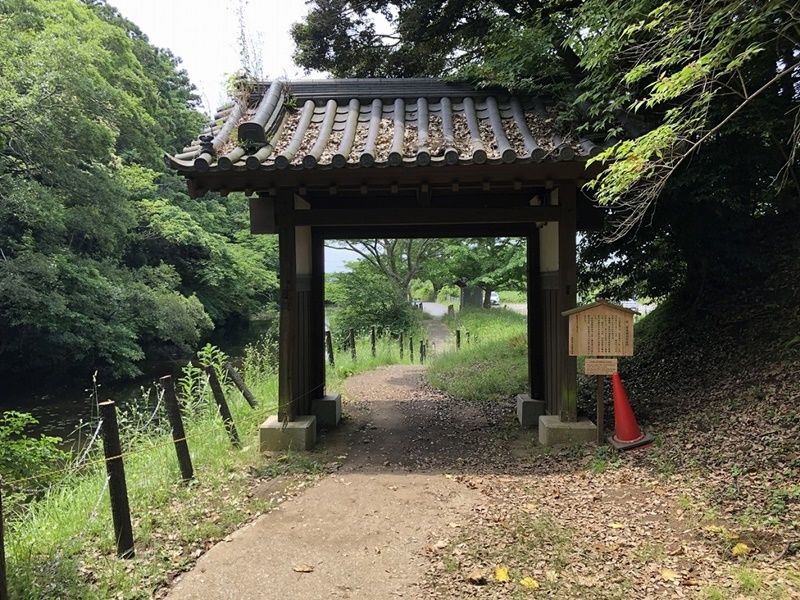
The Yakui-mon Gate. This structure was originally part of the former Sakura Samurai School and was later relocated here. It’s a rare and precious piece of authentic samurai-era architecture.
Traveler's Note: At this point, I discovered that the shortcut from Hebi-zaka to the Honmaru was temporarily closed due to maintenance on the stairs. Part of the adventure of exploring ruins is the occasional closed path! I had to backtrack to the museum to take the alternative route.
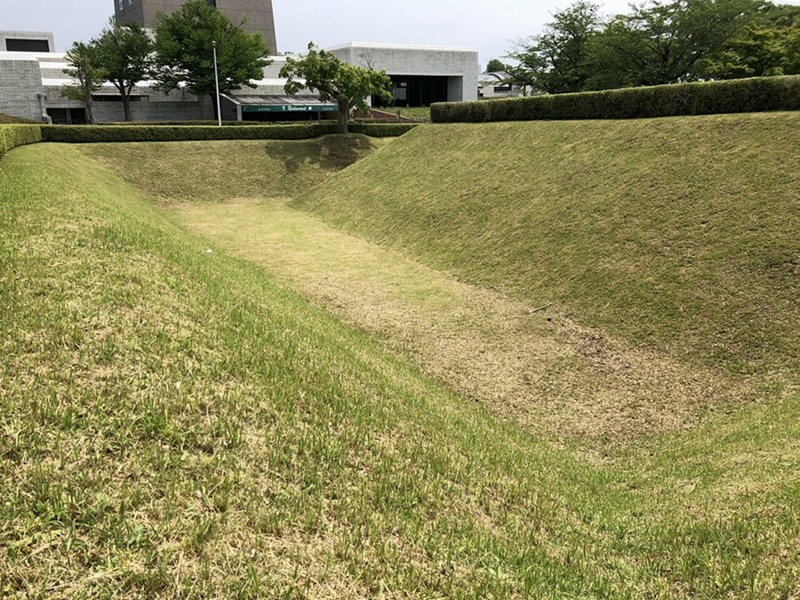
Back near the museum, you get another look at the spectacular dry moats. This is the definitive "Earth Castle" experience—massive, hand-dug valleys that define the fortress's perimeter.
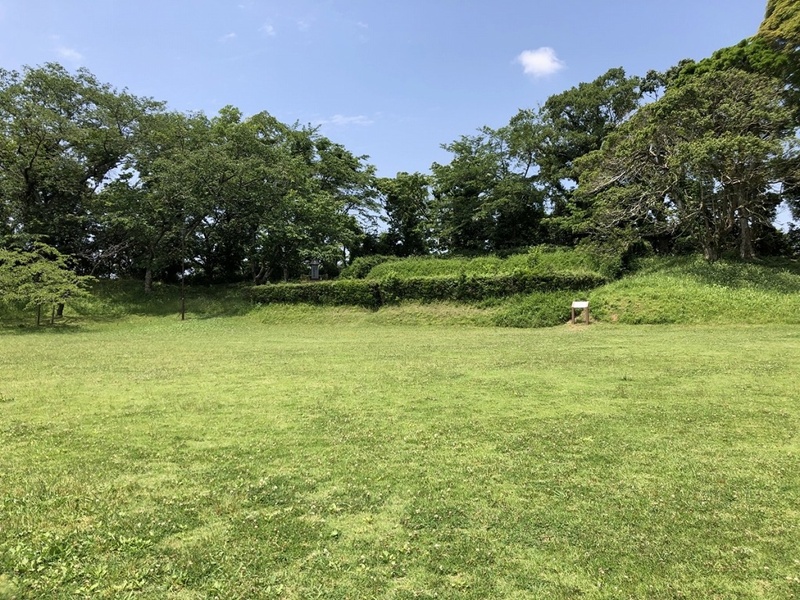
The Honmaru Plaza. This vast, open lawn marks where the Shogun's grand palace once stood. Looking at the sheer size of the clearing, it’s easy to be overwhelmed by the scale of the former administration center. You'll also find signs marking the Ichi-no-mon (First Gate) site and impressive earthworks overlooking deep valleys that feel more like cliffs—true ironclad defenses.
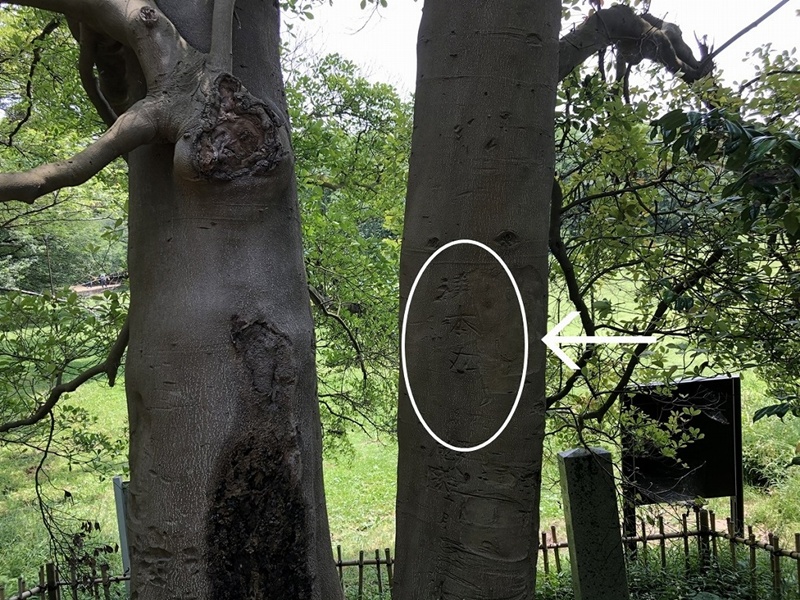
On the edge of the Honmaru, there is a tree where soldiers reportedly carved a Mokko (Melon-flower) crest. It’s a small, tangible touch of personal history left behind by those who guarded these walls.
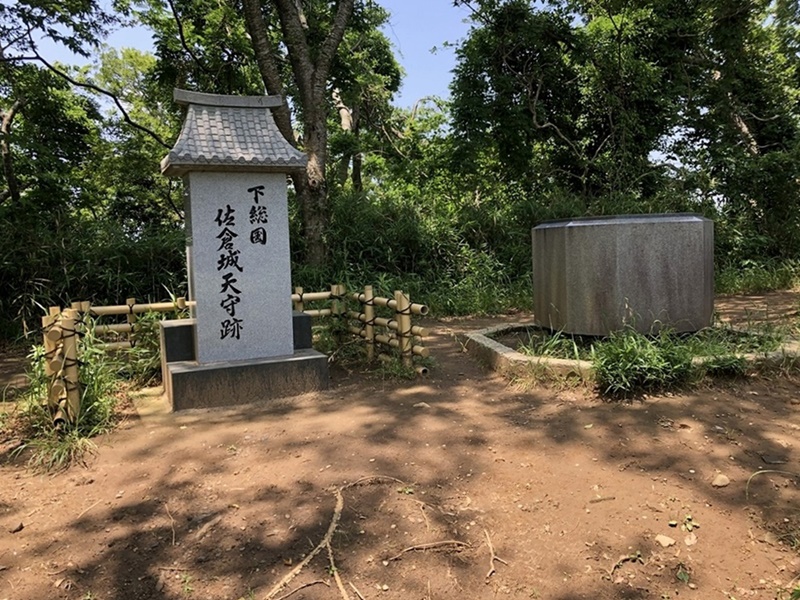
The Castle Keep Monument. On a raised section of the Honmaru stands a stone monument marking the site of the former keep, erected in 2017. While the three-story tower was lost to fire in 1813, standing here and looking out gives you the same vantage point as the lords of the past.
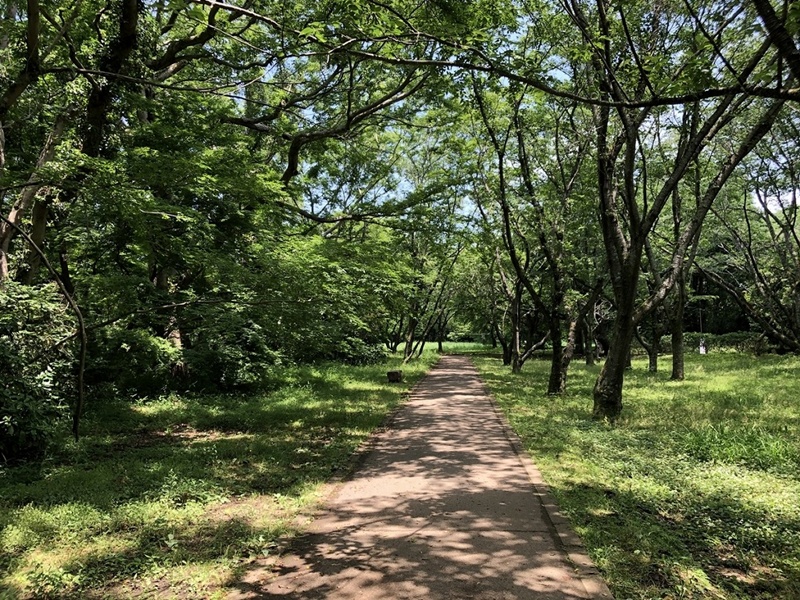
Continuing past the Honmaru, the peaceful forest trails continue. This area contains the sites of the Ni-no-maru Palace and the Ni-no-mon Gate. Though the buildings are gone, the clear signage helps you navigate the historical layout.
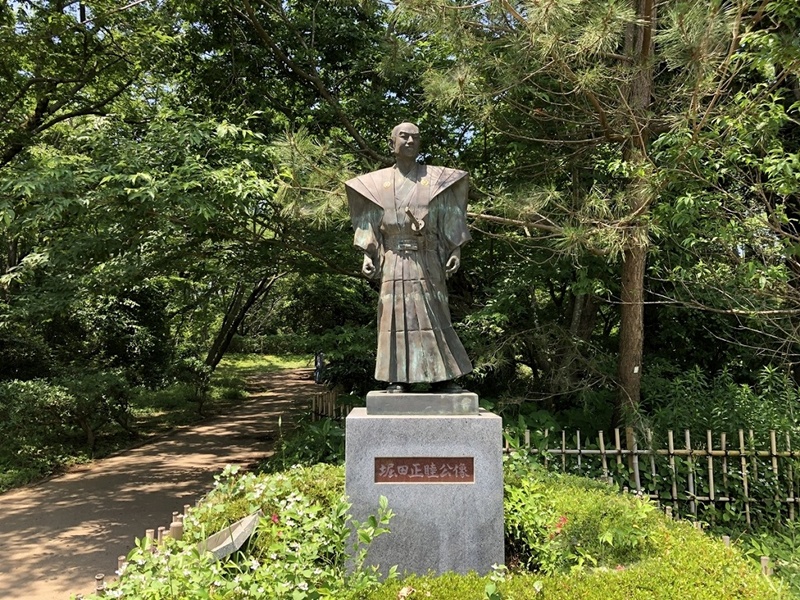
Statues of Hotta Masayoshi and Townsend Harris. Seeing the Japanese lord and the American Consul General standing side-by-side here in Sakura is deeply moving. Masayoshi was famously nicknamed "Ranju"—the Dutch-obsessed Elder—due to his fascination with Western science and learning, which ultimately paved the way for Japan's opening to the world.
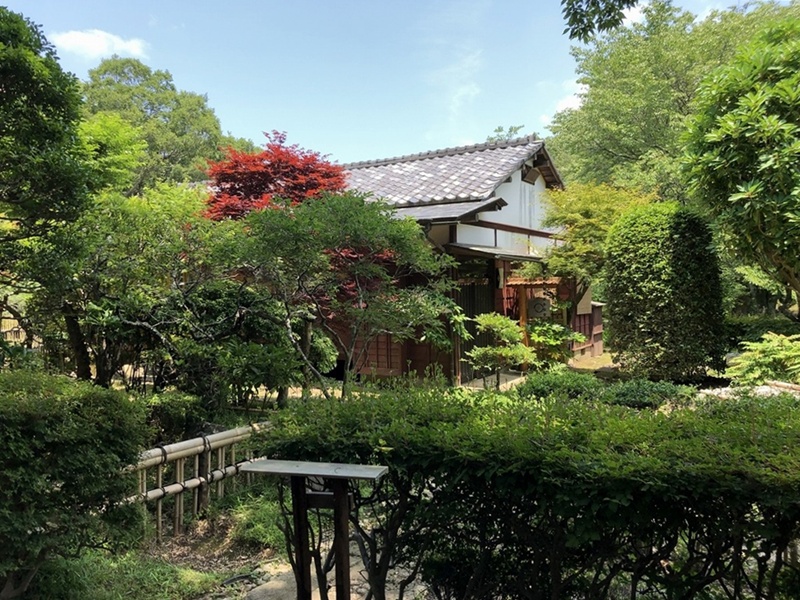
Sankei-tei. This historic teahouse associated with the Hotta clan is now a lovely spot to enjoy Japanese tea. It was closed during my visit, but the surrounding Japanese garden is beautifully manicured and offers a high level of traditional elegance.
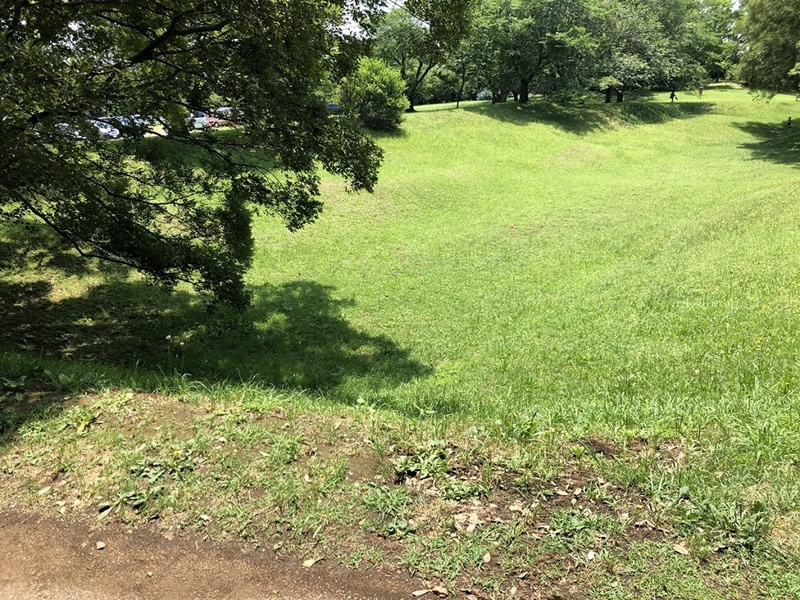
I decided to climb down into one of the Dry Moats. Seeing the walls from the bottom really puts the scale in perspective. Trying to scale these steep slopes while being attacked from above seems like an impossible task. It gives you a profound respect for the harsh reality of samurai-era defense.
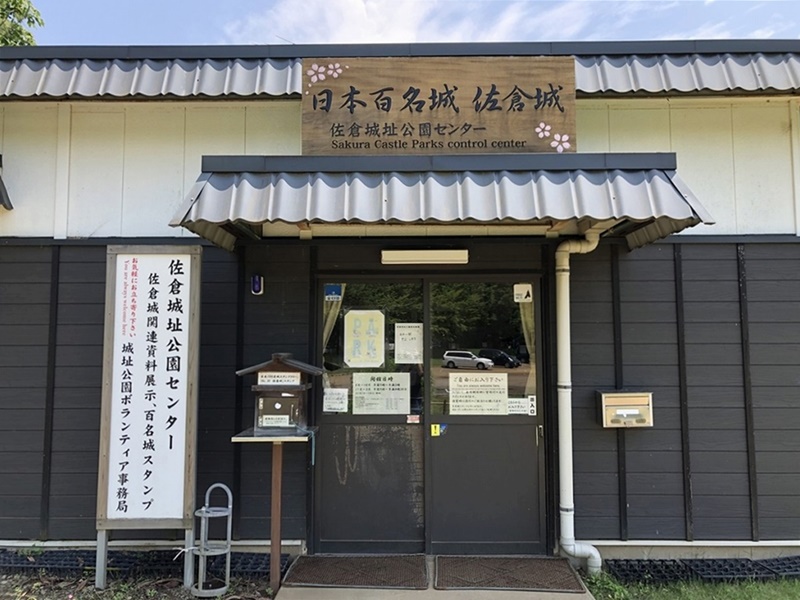
The Sakura Castle Ruins Park Center. This is where the Top 100 Castles Stamp is kept—don't miss it if you're a collector! The center also houses several interesting exhibits about the site's history.
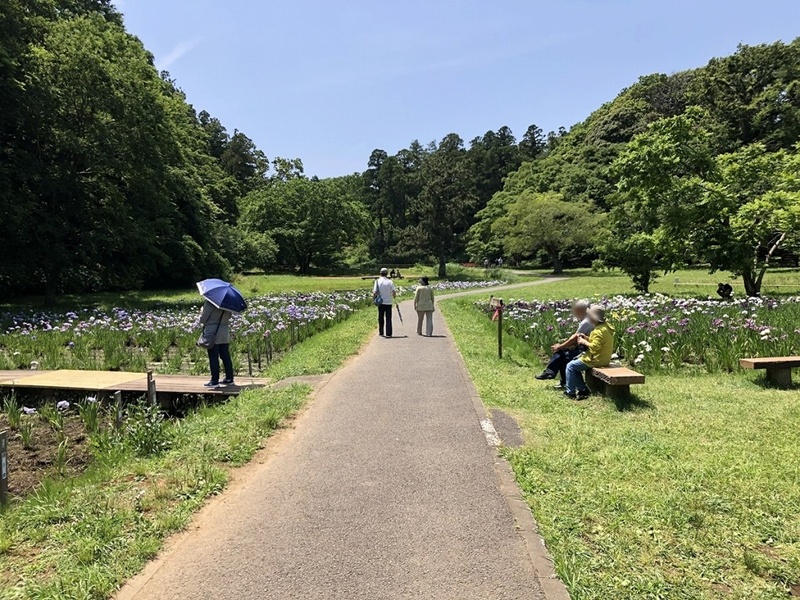
The Iris Garden (Shobuen). Located near the park exit, this is a popular spot for visitors to rest and take photos. Depending on the season, the blooms are spectacular and provide a colorful contrast to the rugged earthworks of the castle ruins.
There are certain lookout points in the park where, on a clear day, you can see both Mount Fuji and the Tokyo Skytree at the same time! Keep your eyes peeled for the horizon!
Exploring the Surrounding Area
Beyond the castle walls, the town of Sakura offers a wealth of historical treasures. Let’s take a stroll through the quiet streets that still echo with the footsteps of samurai.
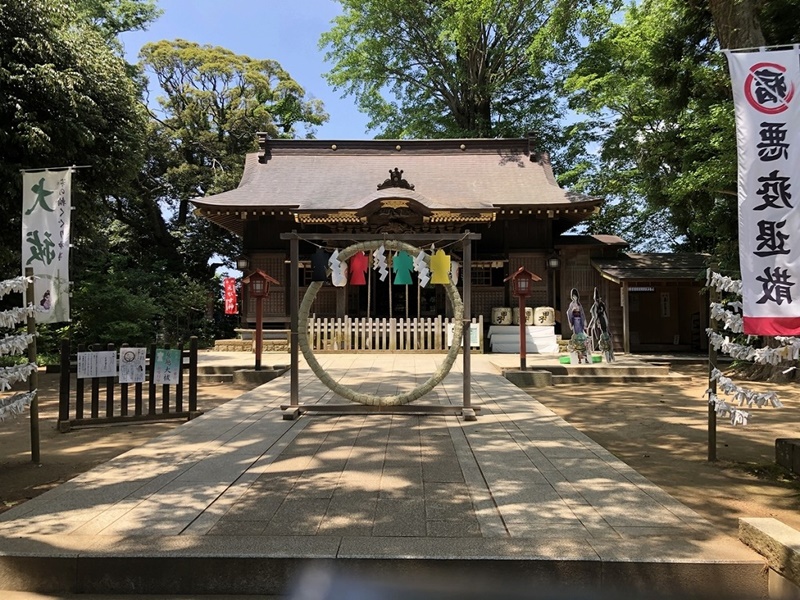
Our first stop is Makata Shrine. As the highest-ranking shrine in the region, it has been a center of local faith for centuries. The air here is distinctively crisp and serene, providing a perfect spiritual reset.
Known as a "power spot," it attracts many visitors seeking good fortune. I took the opportunity to offer a prayer myself, soaking in the tranquil atmosphere before heading deeper into the samurai district.
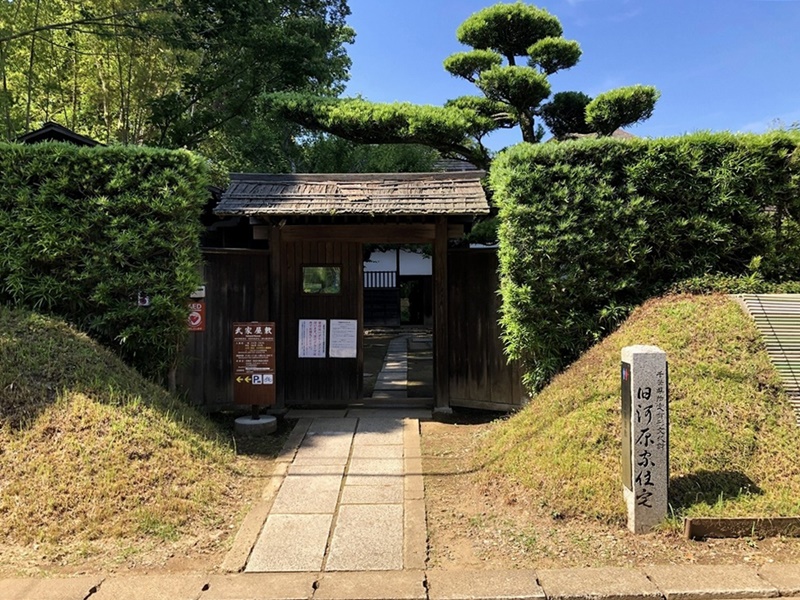
The Bukeyashiki (Samurai Residences). This preserved street features three distinct houses: the former Kawara, Tajima, and Takei residences. They stand side-by-side, offering a rare look at the varying lifestyles of different samurai ranks.
The entry fee is a modest 210 yen. While you can walk through the Kawara house to admire its structure, you aren't permitted to step up onto the tatami floors there. However, in the other two residences, you can actually go inside, giving you a tangible sense of old-world domestic life.
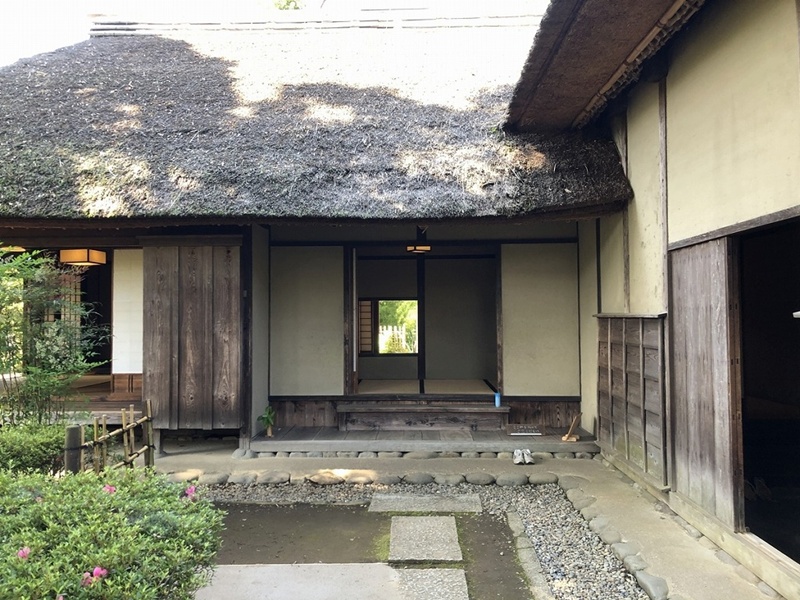
This is the Kawara Residence. The architecture is incredibly authentic; looking at these structures really anchors you in history.
I noticed a modern fire hydrant near the house—a necessary addition, considering these beautiful homes are made of wood and topped with thick thatched roofs. It’s a sobering thought that in the past, a single spark could have leveled these entire neighborhoods in minutes.
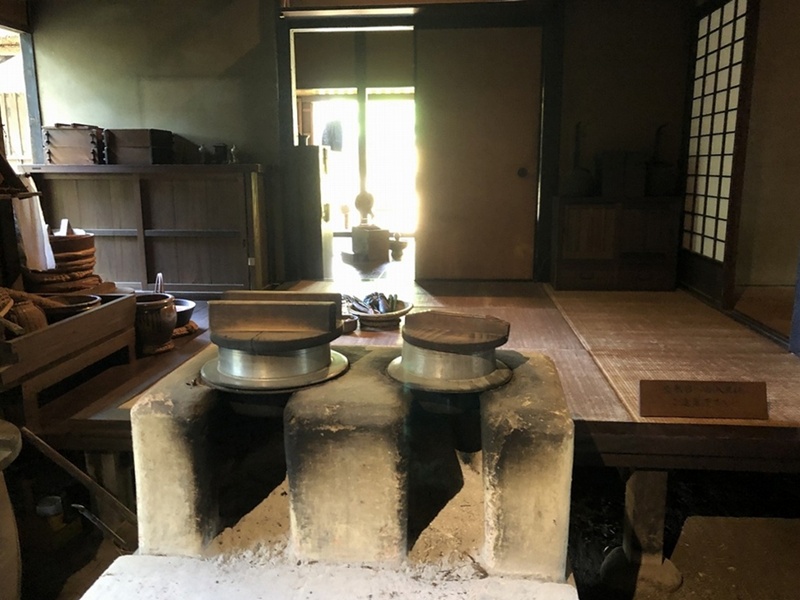
The interior features a traditional Kamado (wood-burning stove). There’s something about rice cooked over an open flame that just seems more delicious, don't you think? It’s definitely on my "foodie bucket list" to try someday!
The residences also display various artifacts, including samurai armor, historical documents, and items excavated from the castle grounds.
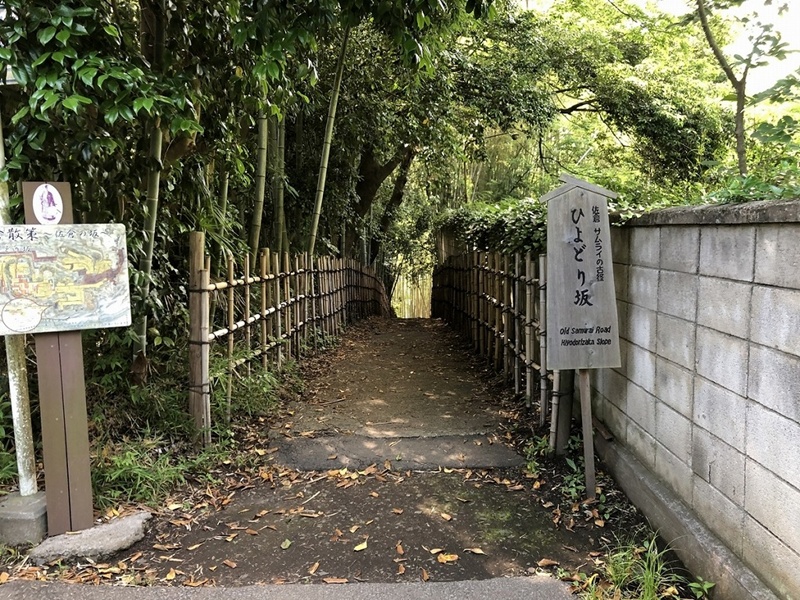
Just a five-minute walk from the samurai houses, you'll find the entrance to Hiyodori-zaka.
The moment you step in, the elegance of the area is striking. This bamboo grove has been preserved since the Edo period, and walking through it feels like stepping directly into a scene from a classic samurai film.
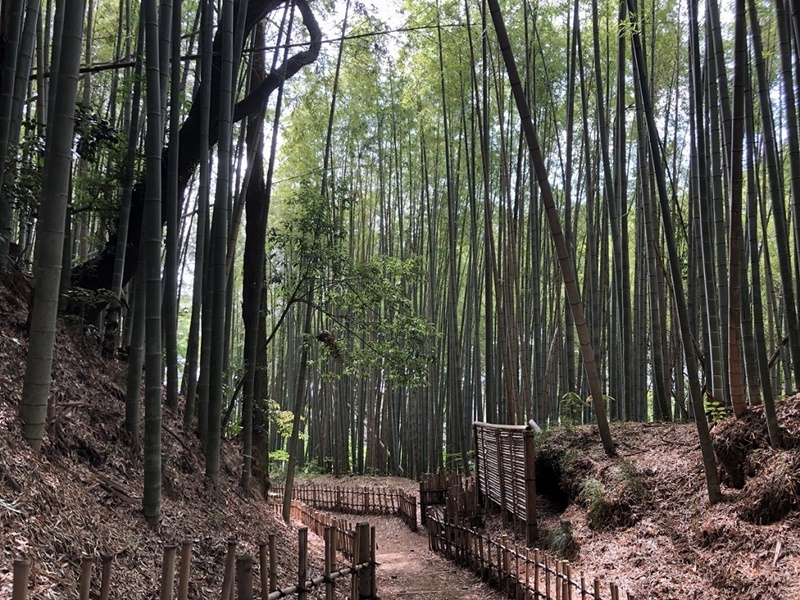
The view at Hiyodori-zaka is truly a visual masterpiece. As you look up, soft sunlight filters through the gaps in the towering bamboo stalks, creating a mesmerizing play of light and shadow.
It’s not just about the visuals; the sound of the bamboo leaves whispering in the wind is incredibly soothing and perfectly matches the quiet dignity of the landscape.
Being a prime photo spot, you’ll likely see many visitors trying to capture the perfect shot. Every angle here is picture-perfect—it is truly the most iconic landscape in Sakura.
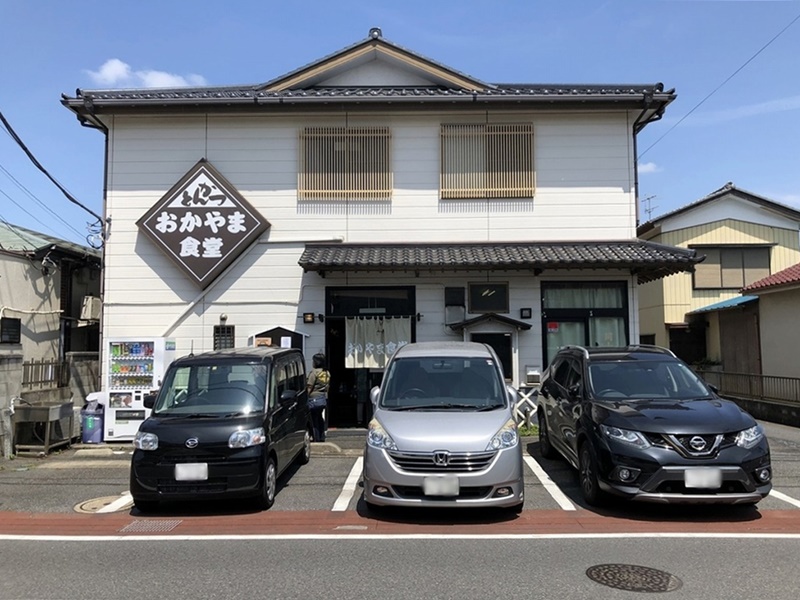
For lunch, I headed to Okayama Shokudo. I arrived just after noon, and the place was already packed! I had to write my name on the waiting list and wait outside—a testament to its local popularity.
The menu is tempting, with their signature **Tonkatsu (pork cutlet)** set being the star. I couldn't decide on just one thing, so I went for the "Daily Lunch Set," which naturally included their famous cutlet.
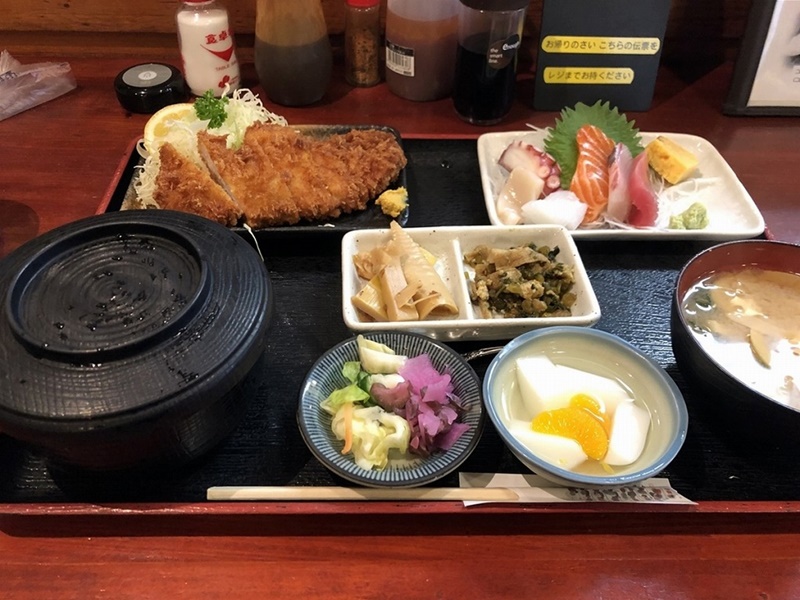
What a feast! A generous serving of tonkatsu paired with fresh sashimi—absolute lunchtime luxury. The portions were hearty and the flavor was spot-on.
The walls inside were lined with autographs from famous visitors, which explains why it's such a destination.
I left completely satisfied and already planning my next visit. If you’re in Sakura, this is where the locals go for a real meal.
| Item | Details |
|---|---|
| Name | Okayama Shokudo (Sakura City) |
| Price | Daily Lunch Set: Approx. 900 yen (as of 2024) |
| Location | 2-1-8 Kaburagi-machi, Sakura City, Chiba |
| Access | Approx. 10-min walk from JR Sakura Station |
| Phone | 043-484-2239 |
| Highlights | Managed by a local butcher, this diner is famous for its high-quality meats, especially the legendary tonkatsu. |

The meal at Okayama Shokudo was huge! Getting sashimi and fried cutlets in one set was so satisfying. I'm definitely in a happy food coma now! ☆
Top 100 Castles Stamp & Access Info
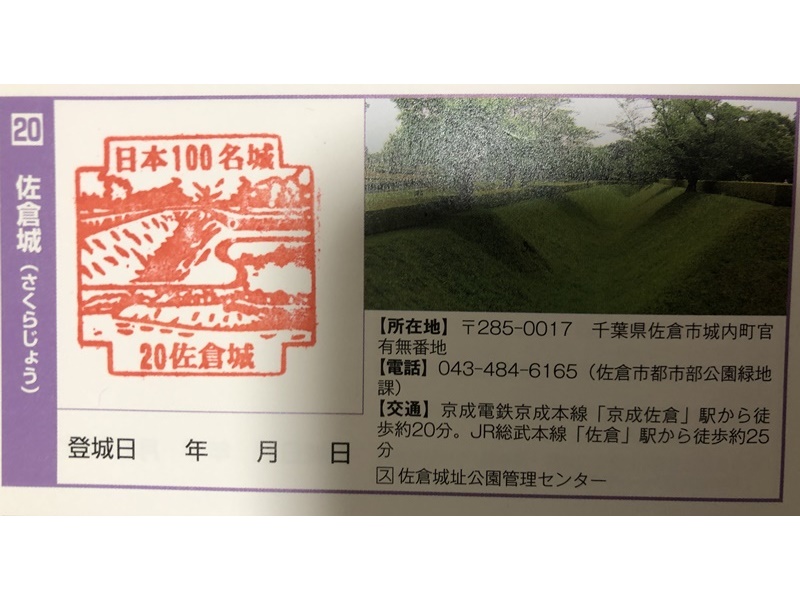
| Item | Details |
|---|---|
| Location | Sakura Castle Ruins Park Management Center |
| Office Hours | April–Oct: 9:00 AM – 5:00 PM / Nov–March: 9:00 AM – 4:30 PM |
| Closed | Open Daily (No scheduled holidays) |
| Phone | 043-484-0679 |
| Fee | Free to enter |
| Note | The stamp is located outside the building entrance, meaning it is accessible 24 hours a day! |
| Item | Details |
|---|---|
| Address | Jonai-machi, Sakura City, Chiba (Inside Sakura Castle Ruins Park) |
| By Train | Approx. 20-min walk from Keisei Sakura Station or 25-min walk from JR Sakura Station. |
| By Bus | Local buses run from both stations; look for stops near the park entrance. |
| Parking | Free parking is available within the park grounds. |
| Phone | 043-484-6165 (Sakura City Park Division) |
| Walk Time | Allow 30–45 mins for a quick visit. 1 hour or more is recommended to fully enjoy the earthworks and dry moats. |

It's a bit of a hike from the stations and the park itself is quite sprawling! I highly recommend wearing sneakers or comfortable walking shoes to save your feet.
Summary
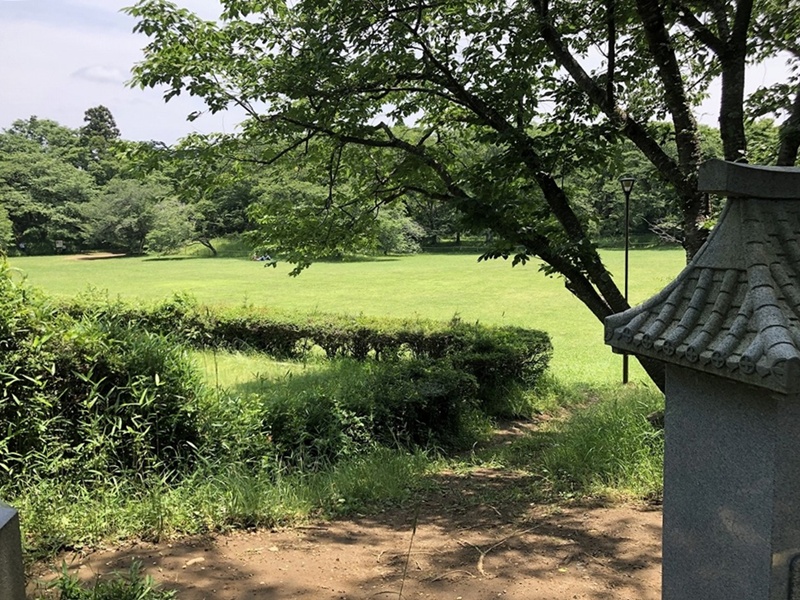
The photo above shows the view looking out across the Honmaru (Main Bailey) from the site of the former Castle Keep.
Sakura Castle is packed with historical highlights, including the ruins of the main keep and the southern and western "Demaru" outworks. However, the true showstopper is the Umadashi Dry Moat. I highly recommend descending into the moat if you can—standing at the bottom gives you a visceral sense of just how daunting it would have been to storm this fortress. It’s a masterclass in earthen defense.
The site is now a beautifully preserved park featuring massive, ancient trees like chinquapin, oak, and maple. Walking here feels like a journey through time. Depending on the season, you can enjoy a variety of flowers, and the park is occasionally illuminated at night for a truly magical atmosphere.
Don’t stop at the castle itself! The surrounding area is home to iconic spots like Hiyodori-zaka and the Samurai Residences. Between the rich history, scenic strolls, and excellent local dining, Sakura offers a full day of discovery. If you find yourself in Chiba, this is a destination you absolutely shouldn't miss.
Exploring the bottom of the dry moats was such a rush! But I have to admit, those "Snake Warning" signs on Hebi-zaka definitely kept me on my toes! (sweat)
Haha, true! But seeing the locals out walking their dogs made the whole place feel so peaceful and safe. It’s a lovely spot for a quiet afternoon stroll.
The samurai residences were so elegant. I’m still dreaming about trying some of that fluffy rice cooked on a traditional kamado stove! ☆
I'm with you on the food! But Hiyodori-zaka stole my heart—it felt like walking right into a scene from a period drama. It was absolutely ethereal...
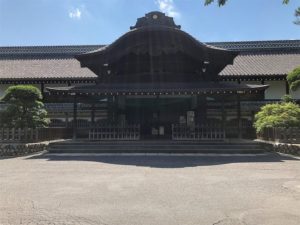
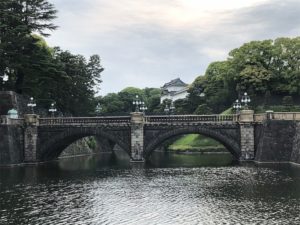
Right? There’s just so much to love here! By the way, the nearby castles on the official list are No. 19 Kawagoe Castle and No. 21 Edo Castle. Be sure to check them out! ♪
▼ Explore Castles in Kanto & Koshinetsu
Kanto Area
14. Mito Castle /
15. Ashikaga Residence /
16. Minowa Castle /
17. Kanayama Castle /
18. Hachigata Castle /
19. Kawagoe Castle /
20. Sakura Castle /
21. Edo Castle /
22. Hachioji Castle /
23. Odawara Castle /
Koshinetsu Area
24. Takeda Residence /
25. Kofu Castle /
26. Matsushiro Castle /
27. Ueda Castle /
28. Komoro Castle /
29. Matsumoto Castle /
30. Takato Castle /
31. Shibata Castle /
32. Kasugayama Castle